
Turning Your Dream Home Vision Into Reality
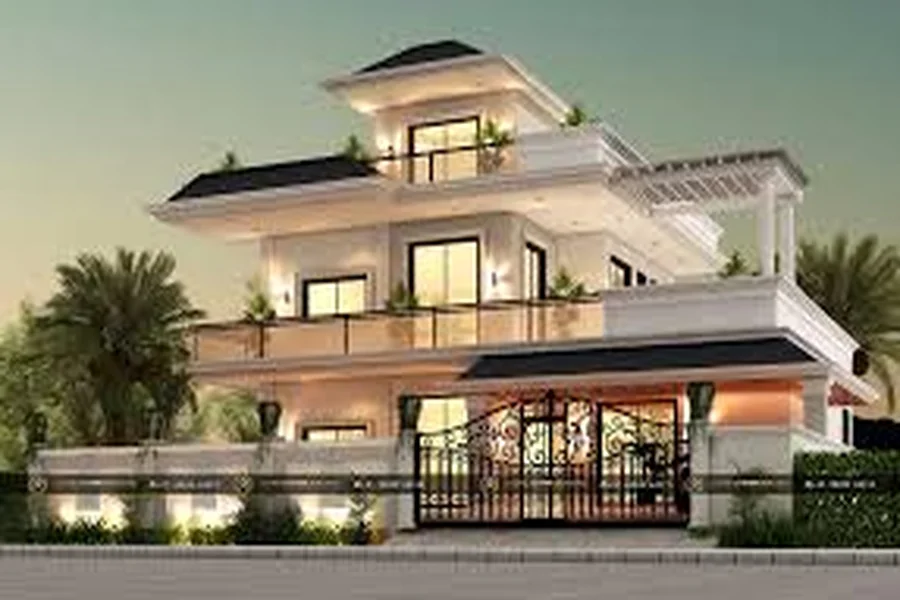
For many, the idea of a “dream home” begins as a collection of fragmented thoughts—a specific way the morning light hits a kitchen island, the feeling of a wide-plank wood floor underfoot, or the silhouette of a gabled roof against a mountain sunset. These visions are deeply personal, reflecting not just aesthetic preferences but the very way we wish to live our lives. However, the path from a Pinterest board to a physical structure can feel overwhelming. Transforming that abstract vision into a tangible reality requires a blend of creativity, technical precision, and a structured process.
Defining the Core of Your Vision
The first step in any successful custom build is clarity. It is common to get lost in the “what”—the number of bedrooms, the type of countertops, or the color of the siding. While these details matter, the “why” is what makes a home a sanctuary. Before diving into blueprints, ask yourself how you want to feel in each space. Do you value quiet, secluded nooks for reading, or do you thrive in open, expansive areas meant for hosting large gatherings?
Consider your daily rituals. A well-designed home should act as a silent partner to your lifestyle, streamlining your routines and enhancing your well-being. This early stage is about identifying your non-negotiables and the atmospheric qualities that define “home” for you.
The Architect as Your Translator
A vision is only as good as its execution. This is where the expertise of a professional designer becomes invaluable. An architect does more than draw walls; they act as a translator, taking your disparate ideas and weaving them into a cohesive, functional, and beautiful design. They understand the nuances of volume, light, and materiality that the average homeowner might overlook.
When searching for the right partner, you might look at various architecture firms in Salt Lake City to find a team that aligns with your specific aesthetic and values. The right firm will not just listen to your ideas but will challenge them, offering solutions you hadn’t considered and ensuring that every square foot of the design serves a purpose.
Navigating the Design Phases
The journey of creation is typically broken down into several key phases, each building upon the last to ensure no detail is missed:
- Schematic Design: This is the “big picture” phase. Your architect will create rough sketches and floor plans to explore the general layout, scale, and relationship between rooms. It’s a time for brainstorming and big ideas.
- Design Development: Here, the concepts are refined. You’ll start discussing specific materials, window placements, and interior details. The vision begins to take on a more defined shape.
- Construction Documents: This is the most technical phase. The architect produces the detailed drawings and specifications that a builder will use to actually construct the home. These documents are the “instruction manual” for your vision.
Site and Context: Building for the Land
A dream home shouldn’t just sit on a piece of land; it should belong to it. The most successful residential designs are those that respond to their environment. In the Intermountain West, this means considering the dramatic topography and the changing seasons. Designing for the site involves analyzing sun paths to maximize natural light, positioning windows to capture specific views, and choosing materials that can withstand local weather patterns. By respecting the context of the site, your home feels integrated and timeless rather than imposed upon the landscape.
The Power of Collaboration
Building a custom home is a team sport. Beyond the relationship between the owner and the architect, there is the crucial role of the builder. Establishing a “triad” of communication—owner, architect, and builder—early in the process is one of the best ways to ensure your vision remains intact while staying within budget and on schedule.
An architect provides the vision and the roadmap, while the builder provides the craftsmanship and logistical execution. When these parties work in harmony, potential issues are identified and solved long before they reach the construction site.
Conclusion: The Reward of Persistence
The process of turning a vision into a reality is a marathon, not a sprint. It requires patience, hundreds of decisions, and a commitment to the original goal. However, the moment you walk through the front door of a home that was designed specifically for you, the effort becomes worth it. You are no longer just inhabiting a house; you are living within a physical manifestation of your own values and dreams. By following a structured design process and partnering with the right experts, you can ensure that your dream home is not just a vision, but a legacy that will serve you for decades to come.