
Common Issues in Garment Manufacturing: From Fabric Defects to Stitching Errors

Identifying Common Defects in Garment Production
First, many problems start with the fabric itself. Even before cutting, you can find flaws in the material. This might include weaving defects like thick spots, thin areas, or uneven threads. Sometimes, you’ll spot stains or marks that got there during fabric production or storage. There could also be color variations across a roll or between different rolls, which means finished garments might not match perfectly. Catching these fabric issues early is crucial because once you cut and sew, they’re much harder, if not impossible, to fix.
Next, issues often appear during the sampling and pattern-making stages. One frequent problem is when the sample made has incorrect measurements or specifications. This means it doesn’t match the design exactly, perhaps being too wide, too short, or having pockets in the wrong place. If this isn’t fixed, it leads to ill-fitting clothes. Even worse, sometimes the approved sample looks different from the actual mass-produced garments. This can happen if patterns aren’t precisely graded for all sizes, or if there’s a miscommunication between the sampling team and the factory floor. This difference between sample and bulk production can cause major headaches for quality control and customer satisfaction.
For technically demanding products such as leggings, exploring how an experienced legging manufacturer manages pattern grading, fit consistency, and quality control at scale can help brands better understand how these issues are prevented in real production environments.
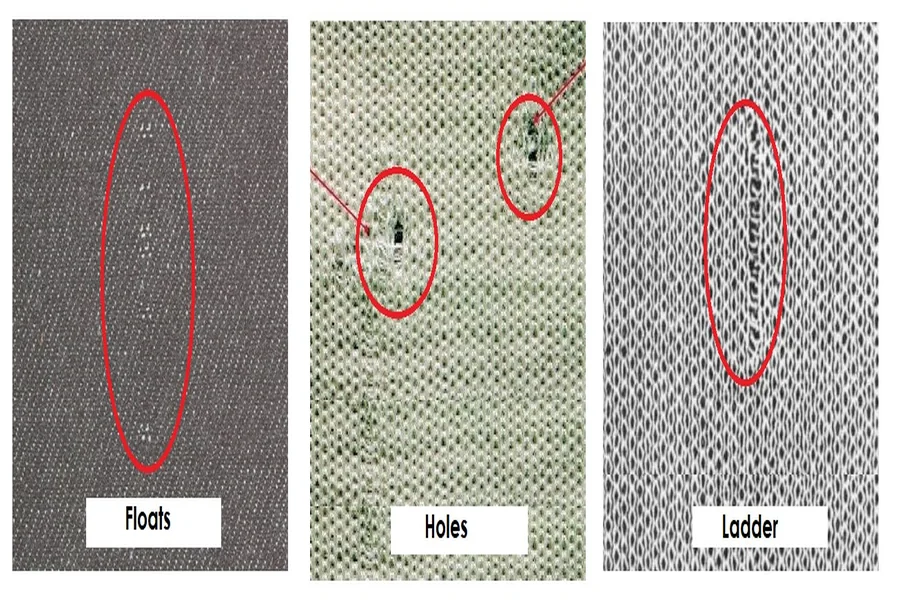
Even before cutting, you can find flaws in the material
Beyond these, several other defects commonly show up:
- Cutting Errors: Even perfect fabric can be ruined by bad cutting. This includes misalignment, where fabric layers shift during cutting, leading to skewed pieces. You might also find missing components if a part isn’t cut at all, or damage to fabric edges from dull blades.
- Sewing Faults: These are very common. Look out for loose or broken threads, which make the garment look flimsy. Puckering (fabric gathering or wrinkling along a seam) is another common issue, often caused by incorrect thread tension or mismatched fabric types. Uneven seams or crooked stitching can make a garment look cheap and unprofessional.
- Finishing Problems: This happens at the very end. Examples include untrimmed threads sticking out everywhere, missing buttons or zippers, or incorrectly attached labels. Sometimes, garments aren’t pressed or steamed correctly, leaving them wrinkled, or packaging errors occur, like putting the wrong size label on an item.
- Color Fastness Issues: This means the color bleeds or fades easily after washing. This is a serious problem as it directly impacts how long a garment looks good and often leads to customer complaints.
These types of defects can appear across many garment categories, and brands exploring different product lines may find it useful to learn how hoodie manufacturers address similar issues in more lifestyle-oriented apparel.
Root Causes and Preventive Measures
Knowing what problems can show up is one thing, but figuring out why they happen is even more important. Most garment defects don’t just pop up out of nowhere; they usually come from a few common issues in the factory. By fixing these core problems, brands can stop mistakes before they even begin.
One big reason for defects is not checking materials well enough. Sometimes, factories don’t look closely at fabrics, zippers, buttons, or threads when they first arrive. If a bad roll of fabric gets used, or if low-quality zippers slip through, those flaws will definitely appear in the final clothes. To stop this, factories need to be really strict about checking materials. This means looking at every batch of fabric for problems, testing zippers and buttons to make sure they’re strong enough, and ensuring all materials meet standards before they even get cut.
Another common cause is workers not being trained properly. Even with great materials, if the people doing the cutting, sewing, or pressing don’t know what they’re doing, mistakes will happen. This could lead to uneven stitches because someone doesn’t know how to use a machine right, or badly cut pieces because they’re not careful.
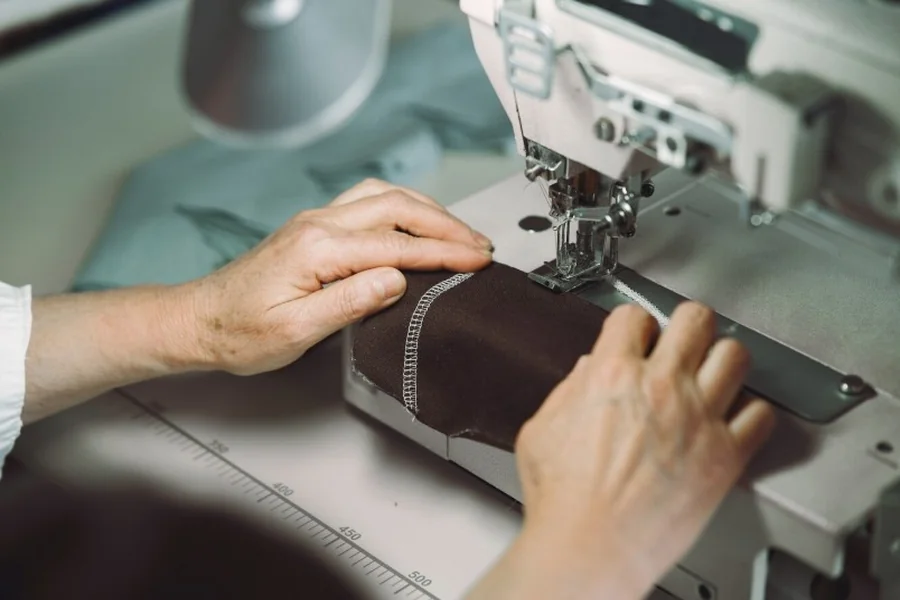
Even with great materials, if the people doing the cutting, sewing, or pressing don’t know what they’re doing, mistakes will happen
Then there’s the problem of factories not having enough capacity or the right skills. Sometimes, a factory might take on too many orders, or they just don’t have the specific machines or experienced staff needed for a complex new design. This can lead to rushing, mistakes, and overall poor quality. For example, a factory used to making simple t-shirts might struggle with intricate, multi-layered jackets, leading to errors. To avoid this, brands need to honestly assess a factory’s true capabilities and ensure they match the complexity and volume of the order.
Likewise, fashion brands themselves can lack experience, especially when they’re new or entering a complex product category. They might not know how to clearly write out specifications, understand technical terms, or even recognize what good quality looks like. This lack of knowledge from the brand’s side can lead to misunderstandings with the factory, resulting in mistakes. To counter this, brands should either hire experienced product development staff or work closely with consultants who can bridge this knowledge gap with manufacturers.
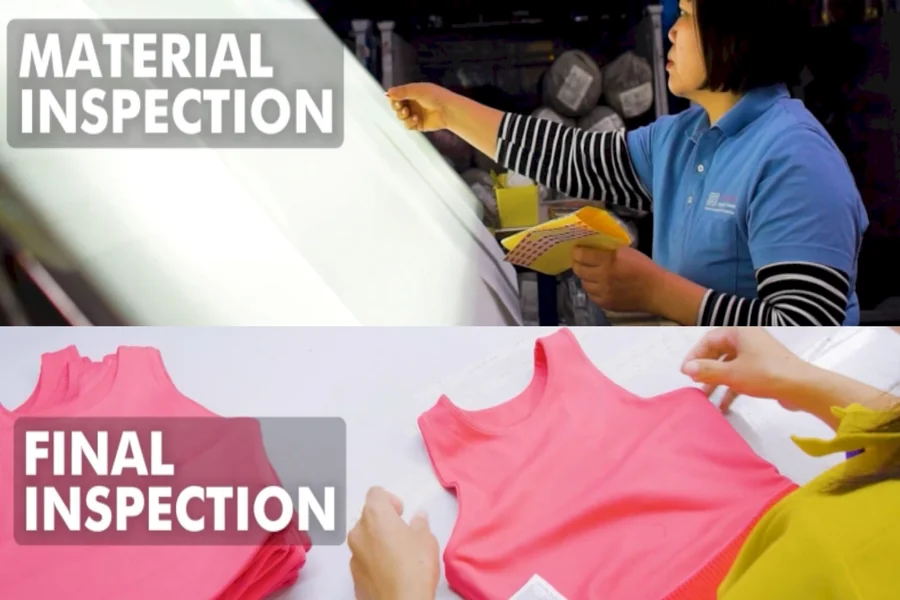
Finally, factories often lack strict, clear quality control rules. If checks only happen at the very end of production, it’s usually too late to fix mistakes easily. A tiny error early on can become a huge, expensive mess by the time the garment is finished. To prevent this, factories must have a strict, step-by-step quality control process in place. This means:
- Checking fabric upon arrival: Looking for flaws before cutting.
- In-line checks: Inspecting pieces during the sewing process to catch errors early.
- Mid-production audits: Random checks of garments as they’re being assembled.
- Final finishing inspections: A thorough review of the complete garment before it’s packed.