
Designing a Commercial Space with a Spring Vibe
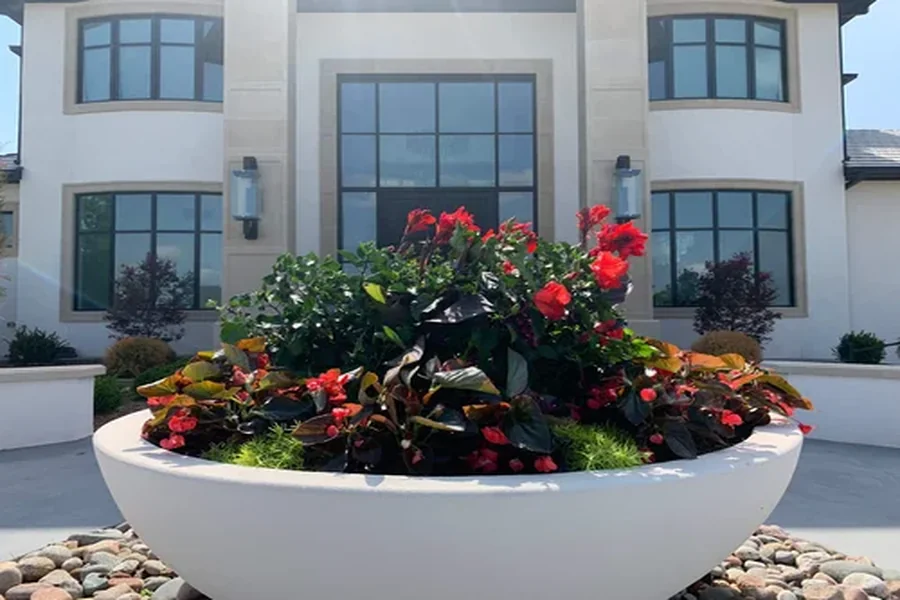
Spring is the season of renewal, bringing a sense of freshness, growth, and lightness that businesses can harness to rejuvenate their spaces. According to Vocal Media, it is an ideal time to start a new business. As winter closes, the demand for services like home improvement and outdoor recreation picks up. Aligning with these trends enables businesses to make the most of the wave of customer interest.
Both customers and employees respond to environments that feel alive and welcoming. At this point, integrating a “spring vibe” can transform a commercial property into a place of inspiration and connection. Whether it’s a retail store, office, café, or co-working hub, a spring-inspired design emphasizes natural energy, clean air, and visual balance.
The goal is not to decorate for the season, but rather to embody spring’s principles year-round in both aesthetic and function. In this article, we will share some strategic design tips to elevate the vibe of your commercial space.
Begin With Biophilic Design
Biophilic design is the foundation of any spring-inspired commercial space. The University of Minnesota Landscape Arboretum highlights the benefits it offers. In the workplace, it improves creativity, productivity, and overall well-being. Essentially, this design principle creates a connection between people and nature, even when they are in a building.
Start by integrating plants strategically rather than as afterthoughts. Vertical gardens or plant walls serve as natural dividers while enhancing indoor air quality. In offices, consider small potted herbs near workstations, or ferns and palms in communal zones. For retail or hospitality spaces, floral installations in custom planters can create immersive experiences without hindering function.
According to PolyMade, custom designs are created to specifications and blend seamlessly in any space. Custom engraving takes brand personalization to the next level. Natural imagery with murals, photographs, or wall coverings depicting forests, meadows, or subtle botanical patterns reinforces the biophilic effect. The aim is to make the environment feel connected to the rhythms of the natural world.
Refresh the Color Palette
Nothing revives a commercial space quite like a spring color palette. Living Spaces explains that the common notion about spring color combinations is that they must focus on pastels. However, you can try breaking the mold of the conventional spring palette by mixing a few unique hues.
Cream and green win, and so do combos like blue and grey and teal and dusty blue. Rather than saturating a whole room, apply these shades strategically to accent walls, furniture, or brand elements. Experts recommend blending vibrancy with serenity to capture the perfect balance that can set your space apart.
In retail design, softer tones encourage exploration, while fresh greens or yellows paired with whites suggest new beginnings. In offices, shades of mint or sage can calm the mind and aid concentration. For customer-facing cafés or studios, consider subtle gradients or watercolor-inspired wall art that mirrors spring skies or blossoms.
Maximize Natural Light
Spring design thrives on light, and the best way to create that vibe in your space is by maximizing actual sunlight. A Forbes article highlights that natural lighting can improve moods, alertness, and engagement. Businesses today understand that light is programmable energy management for their workforce rather than a small design element.
A few simple measures can boost the natural light in your commercial space. Start by removing heavy drapery and using lightweight fabrics such as linen or sheer cotton. In entryways and showrooms, install glass doors or skylights to allow maximum daylight. Reflective surfaces like mirrors, glass partitions, or polished floors can bounce natural light deeper into the space.
Position desks near windows and use adjustable blinds to control glare rather than block it. For spaces with limited daylight, warm, diffused LED lighting that adjusts throughout the day can be used. Layer different lighting types to maintain softness without shadow. The result should feel bright yet comfortable, evoking the airy transparency of a day in early spring.
Use Organic Materials
Choosing materials that replicate nature reinforces both the visual and sensory experience of spring in a space. Organic materials, such as wood, clay, wool, cotton, bamboo, cork, and stone, go beyond appealing to the senses. They also mirror sustainability values that modern consumers appreciate.
Wooden floors with a light finish bring a warm, grounded feel to retail or lobby areas. Bamboo furniture adds flexibility and eco-friendly appeal. Ceramics and woven baskets introduce tactile variety and texture contrast against a clean background. Upholstery in natural fabrics like linen or jute helps maintain freshness.
Similarly, reclaimed or locally sourced materials tell an authentic design story. However, you must avoid over-polishing, as the beauty of organic design comes from imperfections and texture. A wall covered with light wood paneling or exposed brick can offset smooth surfaces, adding depth and interest while maintaining an overall serene tone.
FAQs
How to create an impressive commercial space?
An impressive commercial space aligns design with brand identity, and at the same time, ensures comfort and flow. Focus on spatial layout, lighting, and materials that express your business values. Add distinctive design elements such as an art feature, a green wall, or local craftsmanship. Above all, prioritize the atmosphere and ensure that visitors feel welcome and inspired the moment they enter.
When should you redesign your commercial space?
You should consider redesigning when foot traffic declines, staff morale dips, or your brand evolves. Seasonal updates, like a spring refresh, are excellent for aligning aesthetics with business growth cycles. Typically, businesses benefit from a redesign every five to seven years or when customer expectations and technology outgrow the current setup.
Why does curb appeal matter for businesses?
Curb appeal is your first silent introduction to potential clients and creates the initial impression of your business. A vibrant, inviting exterior signals professionalism, care, and quality. Clean signage, fresh paint, seasonal plants, and uncluttered windows can transform an ordinary front into an irresistible invitation.
Designing a commercial space with a spring vibe is about more than color and décor. Think of it as a way of evoking renewal and positivity at every level. Employees feel more energized, and clients perceive the brand as vibrant and forward-thinking. By integrating these design ideas, your commercial environment becomes an embodiment of optimism and growth. Infusing your business space with the essence of spring ensures it remains not just functional but truly alive.