
Eastern Albania by Car: Korçë, Voskopojë, Dardhë and the Albanian Shore of Lake Ohrid
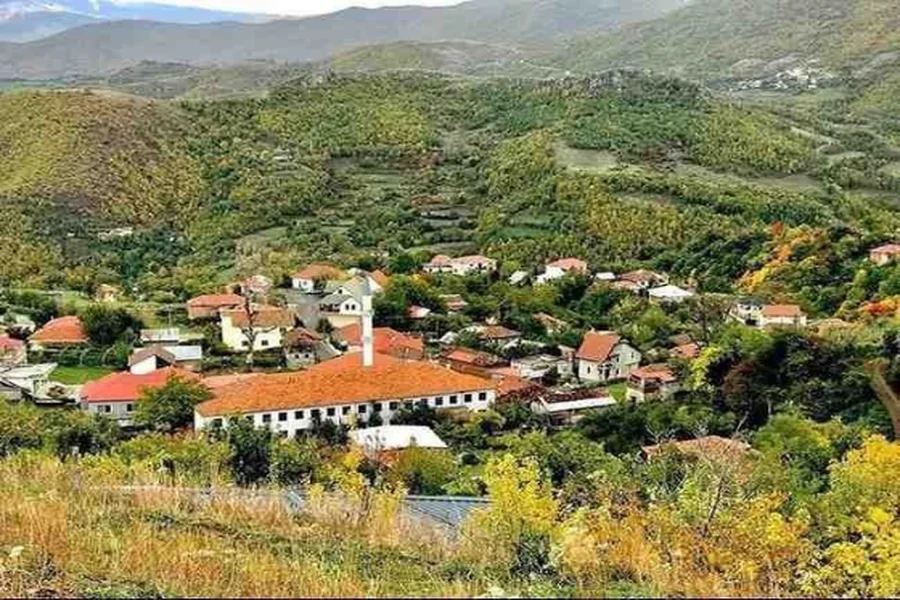
Most visitors to Albania head for the coast or the northern mountains, and the east gets far less attention. That is a shame, because the region around Korçë has a character of its own: a high plateau of orchards and stone villages, a lake shared with North Macedonia, a city known for its beer and its pies, and a climate that gives you real winters and cool summer evenings.
Villages in the highlands of eastern Albania
The east also suits a car better than almost anywhere else in the country. Villages such as Voskopojë and Dardhë are poorly served by public transport, and the most interesting stops along Lake Ohrid sit just off the main road. Three days is enough to see the main sights without hurrying.
Getting there from Tirana
The drive from Tirana to Korçë is about 180 km and usually takes 3.5 to 4 hours. The first stretch to Elbasan follows the newer road through the hills east of the capital and takes under an hour. From there the route follows the Shkumbin valley through Librazhd and Përrenjas, then climbs to the junction near the Qafë Thanë border crossing and drops down to Lake Ohrid at Lin. Pogradec is about 20 km further south along the shore, and Korçë is roughly 40 minutes beyond that over a low pass.
The road is paved all the way, but slow sections through villages and on the climbs mean you should allow more time than the navigation estimate.
Lin and Pogradec: the Albanian side of the lake
Lake Ohrid is one of the oldest lakes in Europe, and the Albanian shore is noticeably quieter than the Macedonian side. Lin is the first village you reach: a small fishing community on a peninsula, with the remains of an early Christian church and its floor mosaics on the hill above. It is a short walk up from the village and makes a good first stop after the drive.
Pogradec is the main town on the Albanian shore. It is a modest lakeside resort with a long promenade, cafés facing the water, and castle ruins on the hill behind. A few kilometres east, the Drilon springs feed clear, cold water into the lake through a park of willows and channels. It is a pleasant place for a slow lunch, and most of the restaurants here serve lake fish. Ohrid trout, known locally as koran, is a protected species, so ask whether the fish on your plate is farmed.
An optional hop to Ohrid town
Just past Drilon is the village of Tushemisht and, beyond it, the border crossing into North Macedonia. The Monastery of St Naum lies just over the border, and Ohrid town is roughly 30 km further along the shore. You can drive the full circuit of the lake, back through Struga and Qafë Thanë, in a long half-day.
This only works if your rental car is allowed to leave Albania. Arrange it when booking: many companies require extra cover and advance notice before a car can cross.
Korçë: bazaar, beer and lakror
Korçë is a calm and orderly city of wide streets, Orthodox churches and old merchant houses. The restored Old Bazaar is the natural place to start. The Resurrection Cathedral and the National Museum of Medieval Art, with its large collection of icons, are both within walking distance. The small museum in the building of the first Albanian-language school, which opened in 1887, explains why the city sees itself as the cradle of Albanian education.
The local dish to look for is lakror, a thin layered pie filled with greens, onions, leeks, meat or cheese. It is traditionally baked under a saç, a domed iron lid covered with hot embers. Bakeries and small restaurants around the bazaar serve it by the slice.
Korçë also has its own beer, brewed in the city since the late 1920s. In August, the Korçë Beer Festival fills the centre with stages, food stalls and crowds for several evenings. Dates vary from year to year, so check before planning around it, and book accommodation early if you do.
Voskopojë and Dardhë
Voskopojë, around 20 km west of Korçë, was a major trading town in the eighteenth century, with printing houses and dozens of churches. It was sacked several times later that century and never recovered its size. What remains is a quiet village with several frescoed churches. The Church of St Nicholas is the best known, though opening hours are irregular and you may need to ask locally for the key. The village sits at around 1,100 metres, so it is noticeably cooler than Korçë.
Dardhë, about 20 km south-east of Korçë, is higher still, with stone houses and slate roofs set on a slope among beech and pine woods. It is a good place for a walk and a long lunch in summer. In winter it becomes one of the few places in Albania with a small ski area.
Winter or summer?
The two seasons offer very different trips. In summer, the plateau stays cooler than the coast, the lake is warm enough for swimming from July, and evenings in Korçë are lively. In winter, Korçë sits at around 850 metres and is often cold, and snow is common in Voskopojë and Dardhë. The city is atmospheric in December, but you need to drive with more care: carry winter equipment, check the forecast before taking the mountain roads, and consider a car with more ground clearance. Spring and autumn bring the orchards into blossom or harvest and are the most comfortable seasons for walking.
Choosing the right car makes a real difference here. If you are booking with a family-run rental company in Tirana, mention your route. A compact car is fine for the main roads in summer, while an SUV is worth considering for winter trips up to Dardhë.
A three-day plan
| Day | Route | Highlights |
|---|---|---|
| 1 | Tirana – Elbasan – Lin – Pogradec | Lunch break in Elbasan, mosaics at Lin, evening on the Pogradec promenade |
| 2 | Pogradec – Drilon – Korçë – Dardhë | Morning at Drilon (or the Ohrid hop), afternoon in Dardhë, night in Korçë |
| 3 | Korçë – Voskopojë – Tirana | Bazaar and lakror for breakfast, churches in Voskopojë, drive back (3.5–4 hours) |
With a fourth day, slow down: spend a full day in Korçë and add the Ohrid circuit without rushing.