
Engine Tune-Up Checklist: What Mechanics Actually Do
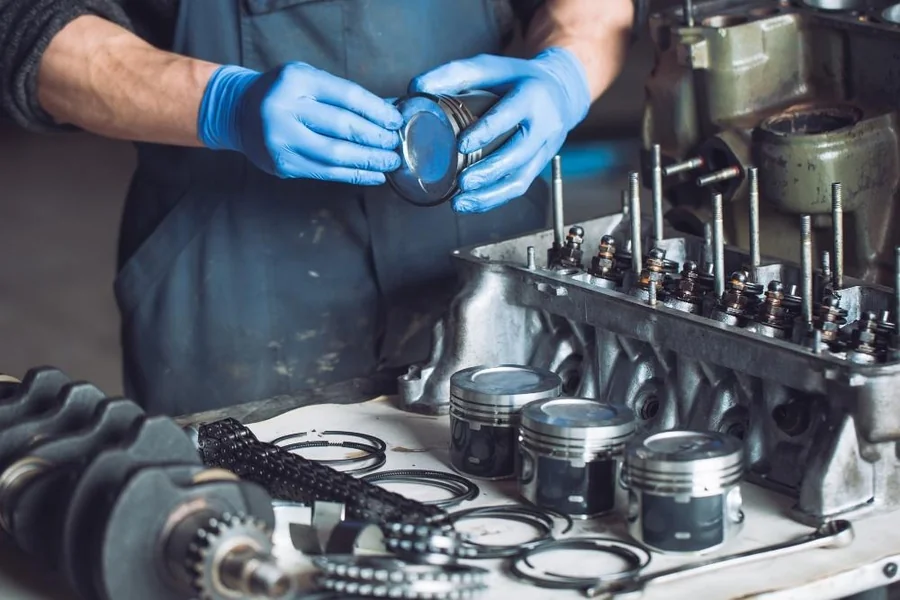
Many drivers hear the phrase engine tune up but are not always sure what it really involves. Some imagine a quick spark plug change or a basic inspection, while others assume it is a major repair. In reality, a professional engine tune up is a structured maintenance process that focuses on restoring efficiency, preventing wear, and ensuring every major component works together smoothly.
Understanding what mechanics actually do during a tune up helps vehicle owners appreciate its value. It also allows drivers to recognize when maintenance is necessary and avoid costly repairs caused by neglect. A properly tuned engine runs smoother, uses less fuel, and lasts significantly longer than one that is ignored.
This guide breaks down the real checklist mechanics follow during a professional engine tune up and explains why each step matters.
Why Professional Engine Tune Ups Are Essential
An engine is made up of dozens of moving parts that operate under intense heat and pressure. Over time, small amounts of wear, carbon buildup, and contamination begin to affect performance. Even modern vehicles equipped with advanced technology still require routine maintenance to function at their best.
Professional maintenance providers such as Ace Transmission Service offer reliable engine tune-up services designed to address both visible wear and hidden performance issues. Technicians use specialized diagnostic tools, manufacturer guidelines, and hands-on inspections to ensure every component is working correctly. This level of precision is difficult to achieve without professional expertise, which is why routine tune ups remain a key part of long-term vehicle care.
When tune ups are performed consistently, drivers often notice smoother starts, stronger acceleration, and improved fuel efficiency. More importantly, regular maintenance reduces the likelihood of sudden mechanical failures that can leave a driver stranded.
The Initial Engine Inspection
Every professional tune up begins with a comprehensive visual inspection. This step might seem simple, but it provides valuable insight into the overall health of the engine.
Mechanics carefully examine hoses, wiring, belts, and connections to identify signs of wear or damage. Cracks in hoses, loose wiring, or minor leaks may not immediately cause noticeable problems, but they often signal developing issues that could lead to breakdowns later.
This inspection also helps mechanics detect oil or coolant leaks that may otherwise go unnoticed. Catching leaks early prevents overheating, lubrication failures, and internal engine damage. The initial inspection sets the foundation for the rest of the tune up process by identifying areas that require special attention.
Replacing Spark Plugs for Reliable Combustion
Spark plugs are small components with a major impact on engine performance. They ignite the air and fuel mixture inside the cylinders, making them essential for smooth combustion.
As spark plugs age, they accumulate carbon deposits and gradually lose efficiency. Worn spark plugs often cause rough idling, difficulty starting the engine, and reduced fuel efficiency. In some cases, they may even lead to engine misfires that can damage internal components.
During a tune up, mechanics remove the existing spark plugs and examine their condition. The appearance of old spark plugs provides clues about engine health. For example, heavy carbon buildup may indicate incomplete combustion, while oil deposits may suggest internal leakage.
New spark plugs are installed according to manufacturer specifications. Proper installation ensures consistent ignition timing and reliable engine operation.
Inspecting the Ignition System
Beyond spark plugs, the ignition system includes several other components responsible for delivering the correct amount of electrical energy to the engine. Ignition coils, wires, and sensors all work together to ensure consistent spark delivery.
When these components begin to fail, the engine may struggle to maintain steady performance. Drivers often notice hesitation during acceleration or uneven engine operation. These symptoms can gradually worsen if the underlying problem is not addressed.
Mechanics test ignition components to confirm that voltage levels and timing remain within proper ranges. Faulty parts are replaced to prevent performance loss and protect other engine systems from damage.
Ensuring Proper Airflow Through Filter Replacement
Engines require a steady flow of clean air to operate efficiently. The air filter plays a critical role in maintaining this airflow by trapping dust, dirt, and debris before they enter the engine.
Over time, air filters become clogged with contaminants. When airflow is restricted, the engine compensates by using more fuel, which leads to reduced efficiency. Drivers may also notice sluggish acceleration and decreased engine responsiveness.
During a tune up, mechanics remove the air filter housing and inspect the filter condition. If the filter appears dirty or blocked, it is replaced with a new one. This simple step often results in noticeable improvements in performance and fuel economy.
Maintaining clean airflow also protects sensitive engine components from damage caused by debris.
Cleaning the Fuel System
Fuel delivery is another essential part of engine performance. Fuel injectors spray precise amounts of fuel into the combustion chamber. Over time, residue and deposits can accumulate inside injectors and throttle components.
When buildup restricts fuel flow, combustion becomes uneven. This can cause rough idling, hesitation during acceleration, and reduced engine power.
Mechanics use specialized cleaning solutions to remove deposits from fuel injectors and intake components. These solutions dissolve carbon buildup without damaging internal surfaces. Cleaning the fuel system restores proper fuel distribution and improves overall engine efficiency.
Drivers often notice smoother acceleration and more consistent performance after this step is completed.
Checking Engine Timing and Synchronization
Engine timing controls when valves open and close during combustion. Proper timing ensures that fuel burns at the correct moment, maximizing power and efficiency.
If timing becomes misaligned, the engine may lose power or produce unusual noises. In severe cases, incorrect timing can cause internal engine damage.
During a tune up, mechanics inspect timing belts or chains to verify alignment and condition. Worn or loose belts are replaced to prevent sudden failures. Adjustments are made when necessary to maintain proper synchronization between moving components.
This step is especially important because timing failures can lead to expensive repairs if ignored.
Inspecting Belts and Cooling Hoses
Belts and hoses may not receive much attention from drivers, but they are vital to engine reliability. Belts transfer power to components such as the alternator and water pump, while hoses carry coolant that regulates temperature.
Exposure to heat causes rubber materials to weaken over time. Cracks, swelling, or brittleness often indicate that replacement is necessary. If a belt snaps or a hose bursts, the engine may overheat or lose essential functionality.
During the tune up process, mechanics examine these components carefully. Replacing worn belts and hoses prevents unexpected failures and keeps the cooling system functioning correctly.
Battery Testing and Electrical System Checks
Reliable engine performance depends on a strong electrical system. The battery supplies power for starting the engine and operating various electronic systems.
During a tune up, technicians test battery voltage to confirm it holds a sufficient charge. They also inspect battery terminals for corrosion, which can interfere with electrical flow. Cleaning corroded terminals restores proper connectivity and reduces the risk of starting issues.
This step ensures that electrical components operate smoothly and that the vehicle starts reliably in different conditions.
Inspecting and Replacing Engine Fluids
Fluids play a critical role in protecting engine components. Engine oil reduces friction between moving parts, while coolant regulates temperature and prevents overheating.
During a tune up, mechanics inspect fluid levels and check for signs of contamination. Dirty or degraded fluids lose their effectiveness and may cause excessive wear. Replacing worn fluids keeps the engine properly lubricated and cooled.
Maintaining fluid quality is one of the simplest ways to extend engine life and improve reliability.
Evaluating the Emission Control System
Modern vehicles include emission systems designed to reduce pollutants released into the environment. These systems rely on sensors and converters to regulate exhaust gases.
Mechanics inspect emission components to ensure they function correctly. Faulty sensors or damaged exhaust parts can trigger warning lights and reduce efficiency. Addressing these issues helps the vehicle meet environmental standards while maintaining optimal performance.
This step also prevents long-term damage caused by improper exhaust flow.
Running Diagnostic Tests
Electronic diagnostic tools are used to analyze engine performance and detect hidden issues. Mechanics connect scanning devices to the vehicle’s onboard computer to read stored error codes.
These codes provide detailed information about sensor activity, fuel delivery, and ignition performance. Even if the engine appears to run normally, diagnostics may reveal minor faults that require attention.
Using advanced scanning tools allows mechanics to identify problems early and resolve them before they become serious.
Conducting a Final Road Test
Once all adjustments and replacements are complete, mechanics perform a road test to verify the results. This final step confirms that the engine operates smoothly under real driving conditions.
During the road test, technicians evaluate acceleration, engine response, and overall performance. Any irregularities are addressed immediately, ensuring the vehicle is ready for reliable operation.
This final confirmation gives drivers confidence that the tune up has been completed correctly.
Recognizing When Your Vehicle Needs a Tune Up
Vehicles often display warning signs when maintenance is overdue. Drivers may notice reduced fuel efficiency, rough engine operation, or difficulty starting the vehicle. These symptoms indicate that components may be worn or contaminated.
Ignoring early warning signs can lead to larger mechanical problems. Scheduling a tune up at the first sign of trouble helps prevent damage and maintain consistent performance.
Regular maintenance schedules also play an important role in preventing unexpected breakdowns.
Long-Term Benefits of Routine Engine Tune Ups
Consistent tune ups provide noticeable advantages over time. Engines that receive regular maintenance operate more efficiently and require fewer major repairs.
Drivers often experience smoother performance and better fuel economy after professional tune ups. Vehicles also maintain higher resale value when maintenance records demonstrate proper care.
Preventive maintenance costs significantly less than repairing damaged engine components. Investing in regular tune ups protects both performance and long-term reliability.
Conclusion
An engine tune up involves a detailed sequence of inspections, adjustments, and replacements designed to keep a vehicle operating at peak efficiency. From spark plug replacement to fuel system cleaning and diagnostic testing, each step plays a critical role in maintaining engine health.
Understanding what mechanics actually do during a tune up helps drivers make informed decisions about vehicle maintenance. Rather than waiting for problems to appear, routine tune ups provide a proactive approach to reliability and performance.
Keeping up with scheduled maintenance ensures smoother driving, better fuel efficiency, and a longer lifespan for the engine. Over time, consistent tune ups remain one of the most effective ways to protect a vehicle and avoid costly repairs.