
Evening Relaxation Trends: From Herbal Tea to Cannabis Edibles
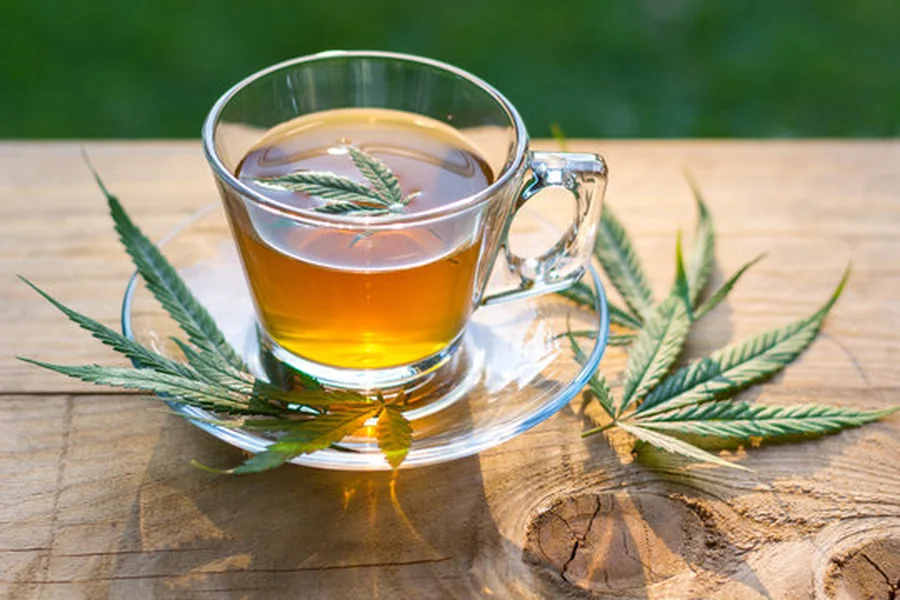
After a long day, the way you wind down matters more than most people realize. Sleep quality, stress levels, and even next-day productivity are all shaped by what you do in those final hours before bed. So it’s no surprise that evening relaxation has become something of a personal ritual for millions—and that the options for unwinding have never been more varied.
From centuries-old herbal remedies to modern cannabis edibles, the evening wind-down routine has quietly evolved into a wellness category of its own. If you’ve been curious about what’s trending—and what might actually work—here’s a look at where people are landing.
Herbal Tea: The Classic That Never Gets Old
Few things signal “time to relax” quite like a warm cup of herbal tea. Chamomile remains the gold standard for pre-sleep calm, thanks to its apigenin content, an antioxidant that binds to receptors in the brain associated with relaxation. Lavender, valerian root, and passionflower teas have also grown in popularity for their mild sedative effects.
The ritual itself is part of the appeal. Brewing tea forces you to slow down—boiling the water, steeping the leaves, sitting with a warm mug. It’s a sensory cue that tells your nervous system the day is done.
Adaptogens: Stress Relief with a Functional Twist
Adaptogens have moved from niche health food stores to mainstream wellness culture. Ashwagandha, reishi mushroom, and rhodiola are now common ingredients in evening supplements, powders, and even chocolate. The premise is simple: these plant-based compounds help the body adapt to stress by regulating cortisol levels over time.
Unlike a sleeping pill, adaptogens don’t knock you out. They work more subtly, helping to ease the mental chatter that makes it hard to fully switch off.
Magnesium: The Mineral Everyone’s Talking About
If you’ve spent any time in wellness circles recently, you’ve likely heard about magnesium. Specifically, magnesium glycinate and magnesium l-threonate have gained traction as evening supplements that support muscle relaxation and deeper sleep. Many people report noticeable improvements in sleep quality within a few weeks of consistent use.
Magnesium can also be absorbed transdermally, which is why magnesium flakes in a warm bath have become a popular wind-down ritual—combining the benefits of the mineral with the inherent relaxation of soaking in warm water.
Meditation and Breathwork: Low-Tech, High-Impact
Not every relaxation trend involves something you consume. Guided meditation apps have seen enormous growth, with millions of people using them as part of a nightly routine. Box breathing, progressive muscle relaxation, and body scan meditations are all widely used techniques for calming an overactive mind.
The science here is solid. Slow, controlled breathing activates the parasympathetic nervous system—essentially flipping the switch from “fight or flight” to “rest and digest.” Even five to ten minutes of focused breathwork before bed can make a meaningful difference in how quickly you fall asleep.
Cannabis Edibles: A Growing Part of the Conversation
Cannabis edibles—particularly THC gummies—have become one of the fastest-growing segments in the evening relaxation space. For adults in states where cannabis products are legal, edibles offer a smoke-free, precisely dosed way to unwind. You can explore a wide range of hemp-derived options at https://trehouse.com/collections/thc-gummies.
THC gummies work differently from other consumption methods. Because they’re processed through the digestive system, they take longer to kick in—typically between 30 minutes and two hours—but the effects last considerably longer, often six to eight hours. This makes them particularly appealing for people seeking a sustained sense of calm rather than a quick hit.
Different cannabinoids also offer different experiences. Delta 8 THC tends to deliver a mellower, more body-focused relaxation, while delta 9 produces the more classic euphoric effects associated with cannabis. For those new to edibles, starting with a low dose—half a gummy, for example—and waiting the full two hours before considering more is the standard advice.
It’s worth noting that hemp-derived THC gummies containing less than 0.3% THC are federally legal under the 2018 Farm Bill, though individual state laws vary. Always check the regulations in your area before purchasing.
Cannabis products come in many forms, allowing users to choose what best fits their preferences. For example, some people prefer cannabis oils or capsules for a precise, easy-to-dose option. These are ideal for those who want a controlled experience without any smoke or vapor. Vapes, on the other hand, are becoming a popular choice for their quick effects and smoother experience. Vaping cannabis can deliver a fast-acting high, making it a go-to for many who enjoy its immediate effects. In an organic vape juice store, you can find a perfect blend of taste and cannabinoids that offer both flavor and relaxation. These vape juices often come in a range of options, from soothing to energizing, allowing you to find the ideal match for your needs. Overall, whether through edibles, oils, capsules, or vapes, cannabis products continue to grow in popularity, offering various options for those seeking a smoke-free, tailored experience.
Building Your Own Evening Routine
The most effective wind-down routine is one you’ll actually stick to. A few principles worth keeping in mind:
- Consistency matters more than complexity. A simple routine done every night will outperform an elaborate one done occasionally.
- Start winding down earlier than you think. Most sleep experts recommend beginning your relaxation routine 60 to 90 minutes before your target bedtime.
- Reduce screen exposure. Blue light from phones and laptops suppresses melatonin production, making it harder to feel genuinely sleepy.
- Combine approaches. There’s no rule that says you can only pick one. Herbal tea and a meditation practice, or a magnesium supplement followed by light stretching, can be more effective together.
Finding What Works for You
Evening relaxation is deeply personal. What helps one person drift off effortlessly might do nothing for another. The good news is that there are more evidence-backed options available now than ever before—from time-tested botanicals to newer cannabinoid products—and most carry relatively low risk when used responsibly.
Start with one or two changes, give them a few weeks to show results, and adjust from there. The goal isn’t a perfect routine. It’s a consistent one that helps you genuinely decompress—so you can wake up feeling like the day ahead is actually manageable.