
HOW TO PLAN THE PERFECT SKI HOLIDAY IN FRANCE
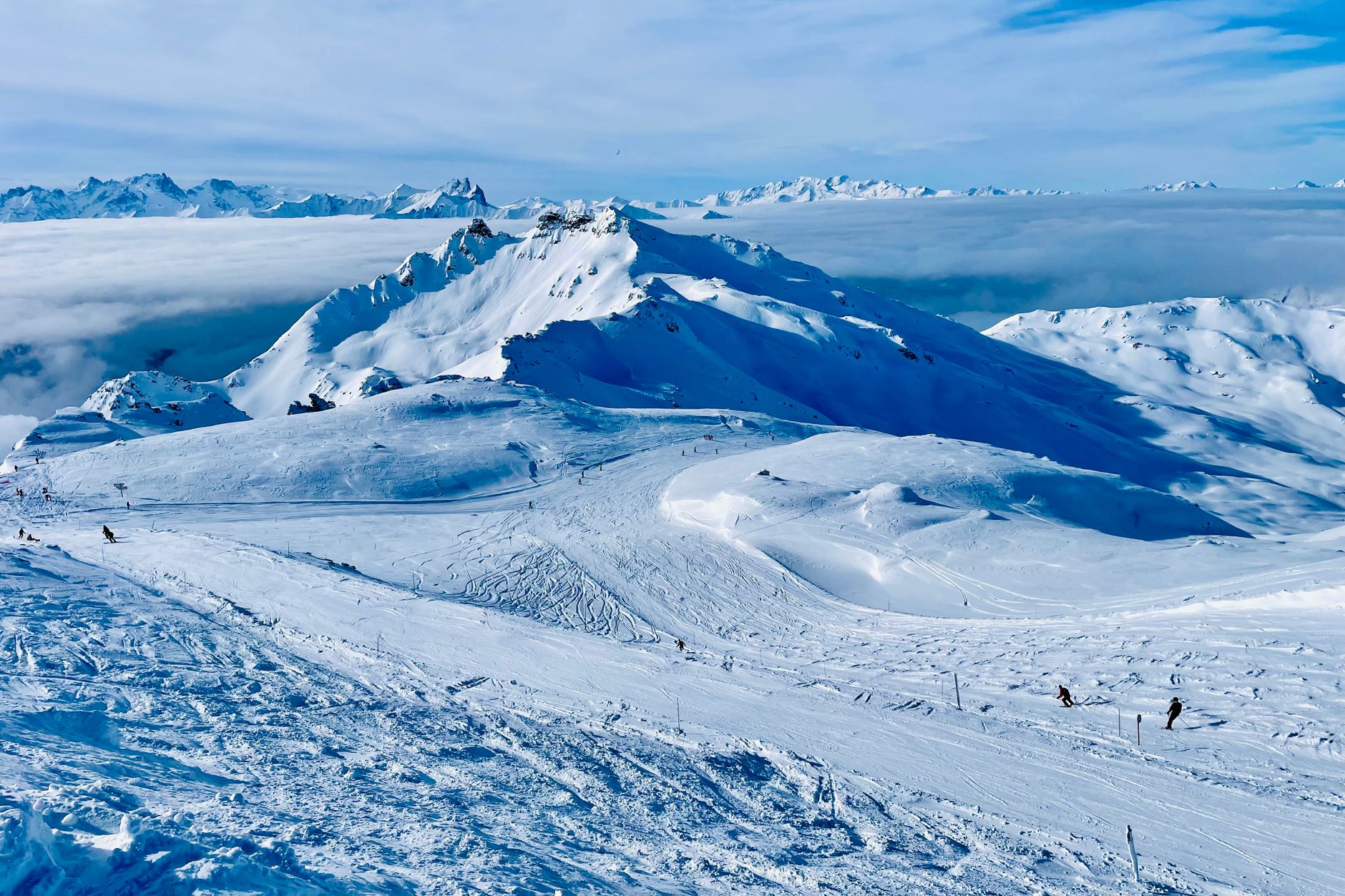
France has long been a dream destination for skiers and snowboarders alike, offering a combination of world-class slopes, charming mountain villages, and breathtaking alpine scenery. Whether you’re a seasoned enthusiast or embarking on your very first adventure on the snow, planning the ultimate French ski holiday can seem overwhelming at first. With a wealth of resorts, accommodation options, and travel logistics to consider, making the right choices is essential to ensure a smooth and unforgettable experience. This comprehensive guide will break down everything you need to know, from choosing the right ski resort to maximizing your trip’s value and enjoyment.
MERIBEL SKI HOLIDAYS: CHOOSING THE PERFECT RESORT
When it comes to French skiing, selecting the right resort sets the foundation for your entire holiday. France is renowned for its vast variety of ski resorts, each offering its own unique charm, terrain, and après-ski culture. For many, Meribel ski holidays are the pinnacle of the French Alps experience. Located in the heart of the Three Valleys, Meribel is both picturesque and cosmopolitan, offering direct access to the world’s largest ski area. The ambiance here is both lively and authentic, with timber-clad chalets and bustling village centres.
Beyond Meribel, consider your group’s skill level and interests. Some resorts, like Courchevel and Val d’Isère, boast glamorous reputations and high-end amenities, catering to luxury seekers and expert skiers. Others, such as Les Gets or La Plagne, are particularly family-friendly with gentle slopes and excellent ski schools. Look into the range and difficulty of pistes, the quality of snow throughout the season, and accessibility. If you’re traveling with a mixed-ability group, resorts with varied terrain and good lift systems are invaluable. Don’t overlook the importance of après-ski entertainment—whether you’re after sophisticated wine bars, vibrant nightlife, or tranquil spas, resort ambiance matters.
BEST TIMES TO PLAN YOUR FRENCH SKI ADVENTURE
Timing is everything when planning your ski holiday in France. The main season typically runs from mid-December to late April, with the peak weeks falling around Christmas, New Year, and the February school holidays. Visiting during these times guarantees a lively atmosphere and plenty of snow, but comes with higher prices and busier slopes. For quieter pistes and more affordable accommodation, book your trip in January or late March. These shoulder periods often provide excellent snow coverage, shorter lift queues, and a more relaxed ambiance on and off the mountain.
Keep an eye on weather and snowfall predictions as you finalize your plans. Early and late season trips can be especially rewarding if you choose resorts with higher altitudes, which are more likely to offer reliable conditions throughout winter. In some high-altitude destinations, it’s possible to ski well into spring, enjoying longer days and the beauty of sunlit alpine panoramas. Consider planning your trip around special events, such as torch-lit descents, music festivals, or major ski races, to add an extra dimension to your holiday.
ARIZONA LONG TERM CARE: ACCOMMODATION OPTIONS IN FRENCH SKI RESORTS
Selecting accommodation is a crucial aspect of your ski holiday and can shape both your comfort and enjoyment. French ski resorts offer a wide range of choices, from traditional chalets to modern hotels and self-catering apartments. For those seeking a cozy, mountain-inspired vibe, renting a private chalet can provide a sense of home-away-from-home, complete with roaring fires and hearty meals, often prepared by an in-house chef. Luxury hotels are an excellent option for travelers who want on-demand amenities like spas, room service, and ski-in/ski-out convenience.
On the other hand, self-catering apartments and smaller guesthouses are ideal for visitors wanting independence and affordability. Many resorts have residences within easy reach of the slopes, making them perfect for families or groups who wish to prepare their own meals and explore the local supermarkets. It’s also worth considering club hotels or catered chalets, which combine ease and sociability—meals, cleaning, and child care often come included within the package. Much like Arizona long term care facilities, choosing the right level of service and comfort is about understanding your own needs and preferences: do you value privacy, luxury, or the chance to socialize and meet fellow holidaymakers?
ESSENTIALS TO PACK FOR A FRENCH SKI TRIP
Packing properly can make the difference between a comfortable adventure and a challenging ordeal. Start with the core essentials: base layers that wick moisture, insulating mid-layers, and a waterproof outer shell. Don’t skimp on accessories like good-quality gloves or mittens, thermal socks, beanies, and neck warmers. Proper ski boots and a helmet are musts—consider renting or getting expertly fitted at a reputable ski shop for the ideal combination of safety and performance.
It’s wise to pack a small rucksack with sunblock, lip balm, energy snacks, and water—high-altitude sun can be intense, and hydration is key during physical activity. Many skiers also carry portable phone charges, hand warmers, and basic first-aid supplies. Finally, evening attire should be both comfortable and warm, especially if you plan to enjoy the après-ski scene. If you’re traveling with children, double-check all their gear and label everything to prevent mix-ups.
BOOKING SKI LESSONS AND HIRING GEAR
If you or members of your group are new to skiing or snowboarding, pre-booking lessons is one of the wisest investments you can make. French ski schools have excellent reputations, with multi-lingual instructors who cater to all ages and levels. Group lessons are cost-effective and add a sociable element to your holiday, while private lessons offer tailored guidance and faster progression.
When it comes to equipment rental, many resorts offer high-quality skis, poles, snowboards, boots, and helmets. Pre-booking equipment online can often secure you the best rates and ensure availability, particularly during peak periods. Skilled staff in rental shops can help customize your equipment for comfort and performance. Savvy skiers may bring their own gear, but remember that flying with skis may incur extra luggage fees and require advance planning. For those who ski frequently, some opt to rent a personal ski locker at their resort for convenience.
FRENCH ALPINE CUISINE: SAVOURING LOCAL FLAVOURS
No ski trip to France is complete without indulging in the country’s celebrated mountain cuisine. The French Alps are famous for hearty, comforting dishes designed to fuel your day on the slopes and offer a communal dining experience. Classics like fondue, raclette, and tartiflette—made from local cheeses, potatoes, and cured meats—feature heavily on restaurant menus.
Many resorts boast excellent mountain restaurants, ranging from rustic chalets with panoramic terraces to gourmet fine-dining establishments. Don’t miss out on local specialties such as diots (savory sausages) or blueberry tart, and be sure to sample mulled wine at a slopeside bar. For budget-conscious travelers, self-catering with ingredients from village markets lets you attempt traditional recipes in your accommodation kitchen while saving money. Ultimately, sharing a meal after a day on the pistes is a highlight that brings every group together.
EXPLORING NON-SKI ACTIVITIES IN THE FRENCH ALPS
While skiing and snowboarding take center stage, French resorts cater to a wide array of tastes and interests with off-piste activities. Non-skiers have plenty to enjoy, from snowshoeing and ice skating to spa treatments and indoor swimming pools. Many villages offer winter hiking trails through spectacular scenery, guided snowcat excursions, and even dog-sled rides for unique alpine adventures.
Families traveling with children can benefit from toboggan runs, ice-carting, or attending local festivals and events. Adventurous spirits may want to try paragliding or zip-lining for a different perspective on the landscape. After sunset, lively après-ski activities come alive—think open-air concerts, movie nights, and torchlight descents. The diverse range of experiences available means everyone in your group will find something to make their trip memorable, regardless of their ski ability.
NAVIGATING TRAVEL: GETTING TO AND AROUND FRENCH SKI RESORTS
France’s ski resorts are surprisingly accessible from the UK and other European countries, thanks to a robust network of airports, railways, and well-maintained mountain roads. The most common gateways to the Alps are Geneva, Lyon, Grenoble, and Chambery airports; from there, shared or private transfers can whisk you to your chosen resort. Train travel, especially via the Eurostar service to Bourg-Saint-Maurice or Moûtiers, provides a comfortable and scenic alternative.
Once on location, most resorts are compact and easily walkable, but free shuttle buses connect different lifts, slopes, and neighborhoods. Renting a car offers added flexibility but consider the challenges of driving in winter conditions. Plan your arrival and departures around transfer times to maximize your time on the snow. Always keep local transport schedules and weather reports handy, as heavy snowfall can occasionally disrupt logistics.
FRENCH SKI HOLIDAY ETIQUETTE AND SAFETY
Safety should be at the forefront of any ski holiday. Familiarize yourself with the Fédération Française de Ski’s “Skiers’ Code,” comprising guidelines for courteous behavior and shared responsibility on the slopes. Respect signage, maintain control, and always give priority to downhill skiers. Wearing a helmet is strongly advised for all ages, and consider purchasing comprehensive travel insurance that covers winter sports.
In terms of etiquette, remember that many mountain restaurants expect advance reservations during busy periods. Tipping is customary but not required in France; service charges are typically included. On lifts and gondolas, be prepared to share your space during peak hours and offer a friendly “bonjour” to fellow riders. If you rent ski equipment, return it undamaged and on time.
TIPS FOR BUDGETING AND MAXIMIZING VALUE
Ski holidays can be costly, but planning ahead can help you get the best value for your money. Early bird bookings for flights, accommodation, and lift passes often come with significant discounts. Look for package deals, especially for larger groups or families. Consider self-catering options, as these can substantially reduce food expenses across the week.
When choosing lift passes, assess how much and where you’ll realistically ski—a full area pass may not always be necessary for beginners or those planning relaxed days. Many resorts offer discounted rates for children, seniors, or afternoon-only skiing. To stretch your budget further, visit outside of school holidays and explore less famous resorts, which offer superb conditions at lower prices. Ultimately, the perfect ski holiday in France is about balance: seize the opportunity for adventure while savoring the moments spent in a stunning winter setting.
CONCLUSION
Planning the perfect ski holiday in France requires a blend of anticipation, organization, and enthusiasm. With a diverse selection of resorts, world-class skiing, and an abundance of activities on and off the slopes, France is a winter sports paradise. Weigh your options carefully, from destination to dining, and set aside time to experience all that the Alps have to offer. With thoughtful preparation and an adventurous outlook, your dream French ski holiday is not just possible—it’s within reach, ready to be enjoyed with family and friends for seasons to come.