
The Family Guide to Modern Tooth Replacement: Why Implants Are the New Standard
According to the American College of Prosthodontists, over 178 million Americans are missing at least one tooth. That is a staggering number, yet the conversations in dental offices rarely reflect how incredibly common this is. Losing a tooth feels isolating. It affects how you chew your food, how you pronounce certain words, and how willing you are to smile in family photos.
When a patient asks about replacing a missing tooth, they usually want to know two things: how much it will hurt, and how long the fix will last. For decades, the answers to those questions usually involved removable plastics or filing down healthy teeth to build a bridge. Dentistry has changed.
This guide breaks down the realities of modern tooth replacement. I will skip the heavy clinical jargon and look directly at what actually matters for your long-term health, how permanent implants compare to traditional fixes, and what you should expect during the recovery process.
The Domino Effect of an Empty Space
Most people treat a missing tooth as a cosmetic issue, especially if it happens in the back of the mouth where nobody can see it. The actual problem happens beneath the gum line.
When an adult tooth is extracted, the jawbone in that specific area loses its physical purpose. Without the daily stimulation of chewing and biting, the alveolar bone begins to melt away. Within the first year of losing a single tooth, a patient can lose up to 25% of the surrounding bone volume.
This bone loss creates a domino effect. As the bone recedes, it changes the structure of your jaw and the shape of your face. The adjacent healthy teeth begin to shift and tilt into the empty space. This creates bite alignment problems, uneven wear on your remaining teeth, and new hidden pockets where plaque easily accumulates. The longer a patient waits to fill the gap, the more complicated and expensive the eventual restoration becomes.
Moving Past Traditional Dentures and Bridges
Before implants became the standard of care, a traditional dental bridge was the go-to solution. A bridge works exactly how it sounds. The dentist grinds down the two healthy teeth on either side of the gap, caps them with crowns, and suspends a false porcelain tooth between them.
The major flaw with a bridge is that you have to permanently alter two perfectly healthy teeth to fix one missing tooth. Furthermore, bridges sit on top of the gums. They do not stimulate the underlying bone, meaning the resorption process continues underneath the false tooth.
Dentures present their own challenges. Traditional removable partials rely on metal clasps that hook onto adjacent teeth, which can cause wear and tear over time. They also slip, require messy adhesives, and severely reduce your bite force.
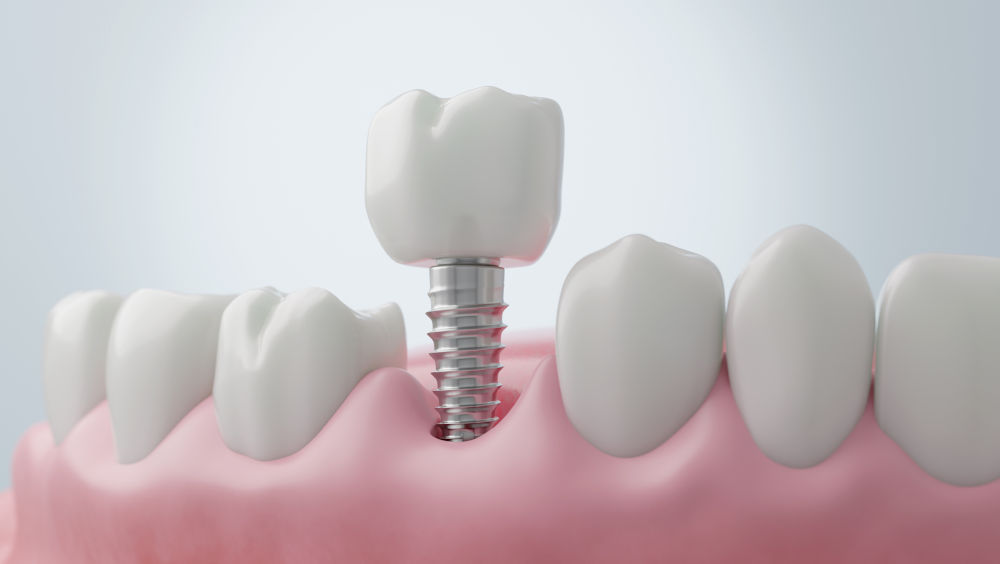
Dental implants bypass these issues entirely. A dentist places a small titanium post directly into the jawbone to act as an artificial root. This preserves the surrounding natural teeth and actively halts bone loss. While implants require a higher upfront investment, they generally outlast bridges by decades and restore full natural chewing capacity.
What Makes an Implant Successful?
The success of a dental implant depends heavily on the skill of the clinician, the diagnostic technology used, and the quality of the materials. You do not want cut-rate, off-brand hardware placed in your jaw.
When families start researching their options, finding the right provider requires looking past flashy waiting rooms and focusing on clinical standards. For example, securing good quality dental implants in Springfield VA or within your own local community means finding a dentist who utilizes 3D Cone Beam Computed Tomography (CBCT) scans.
Traditional 2D x-rays cannot show the precise density of your bone or the exact location of your nerve canals. 3D imaging allows the dentist to map the entire surgery digitally before you even sit in the chair. You should also ask your provider about the materials they use. High-grade titanium or zirconia implants have decades of clinical research backing their biocompatibility and success rates.
The Clinical Process: What to Expect
People hear "oral surgery" and immediately imagine an intense, painful ordeal. In reality, placing a single implant is often less uncomfortable than having a tooth extracted. The process happens in distinct, manageable phases.
The Placement Procedure The dentist numbs the area completely and places the titanium post into the bone. For a straightforward single implant, this appointment usually takes less than an hour. Most patients manage the mild post-operative soreness with over-the-counter ibuprofen and return to work the next day.
The Healing Phase (Osseointegration) This is the most critical part of the timeline. Over the next three to six months, the bone literally grows around the titanium threads, locking the implant firmly in place. You are not left with a visible gap during this time. Most patients receive a temporary crown or a removable retainer to maintain their smile while the bone heals.
The Final Restoration Once the bone is solid and integrated, the dentist attaches an abutment, which acts as a connector piece. Finally, they cement or screw a custom-milled porcelain crown onto the abutment. The dental lab custom shades the porcelain to match the exact color and translucency of your neighboring teeth.
Long-Term Care and Maintenance
You treat an implant exactly like your natural teeth. You brush it twice a day, you floss around it, and you keep up with routine dental cleanings.
Unlike natural enamel, an implant crown cannot get a cavity. You will never need a root canal on an implant. However, the surrounding gums can still develop a condition called peri-implantitis if neglected. This is an infection that can degrade the bone holding the implant.
Many dental professionals recommend investing in a water flosser for your home hygiene routine. A water flosser easily flushes out food particles and plaque from the tight spaces around the implant base, keeping the gum tissue tight and healthy.
Making the Investment in Your Health
Replacing a missing tooth is an investment in your future comfort, your nutrition, and your confidence. While traditional bridges and removable dentures still have their place in emergency or transitional dentistry, implants offer a permanent structural solution that protects your jawbone and preserves your surrounding teeth.
The technology has advanced to a point where the procedure is predictable, highly successful, and surprisingly routine for patients of all ages. Take the time to consult with a qualified professional who uses 3D imaging, ask direct questions about the materials they use, and prioritize long-term stability over quick fixes.
Have you or an older family member gone through the implant process? What was the most surprising part of the recovery or the final result? Let me know in the comments below.