
Understanding ATM Machine Service and Modern ATM Management
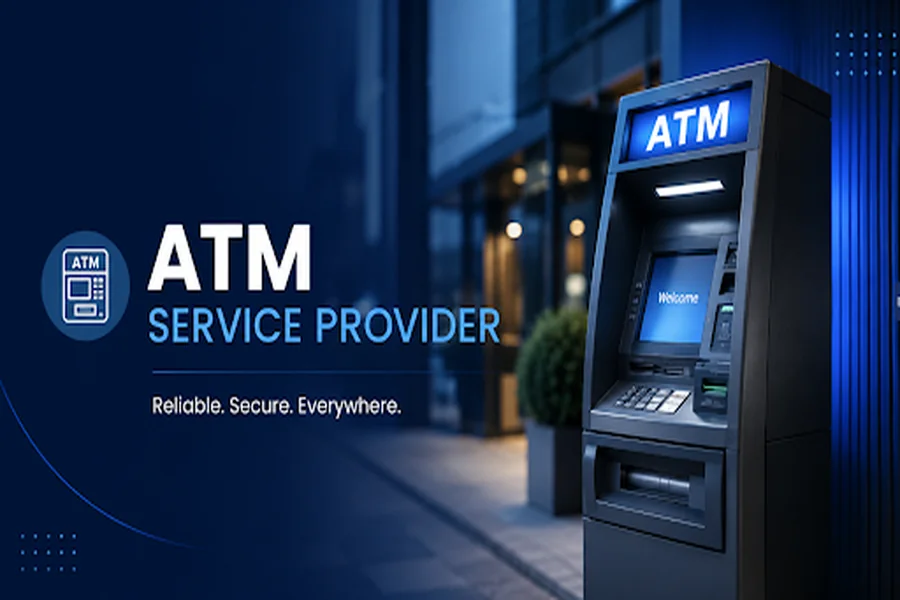
Automated teller machines remain an important part of convenient cash access for customers, businesses, and financial institutions. However, keeping an ATM operational involves more than simply installing a machine. Connectivity, cash availability, routine maintenance, transaction processing, security, and technical support all contribute to dependable performance. Understanding ATM machine service can help organizations determine what responsibilities need to be managed internally and which may be handled through an external service arrangement.
What Does ATM Machine Service Include?
ATM management can involve several interconnected responsibilities. Depending on the agreement, service may include installation, equipment configuration, network monitoring, preventive maintenance, troubleshooting, cash management, and technical support. Some providers also coordinate first-line and second-line maintenance, while others offer broader outsourcing arrangements covering multiple parts of the ATM lifecycle.
This range of responsibilities matters because an ATM depends on several systems working together. A hardware problem, communication failure, cash shortage, or software-related issue can affect availability. Regular monitoring and maintenance help identify problems before they become prolonged interruptions.
Why Preventive Maintenance Matters?
Preventive maintenance is an important part of keeping an ATM dependable. Instead of waiting for a device to fail, technicians can inspect components, identify wear, address recurring errors, and replace parts when necessary. This approach can reduce avoidable downtime and help extend the useful operating life of equipment.
Monitoring also provides operational visibility. Centralized systems can track ATM status and identify machines requiring attention, allowing support teams to respond more efficiently. Some managed-service models use real-time monitoring alongside service-level management to maintain visibility across an entire ATM network.
Cash Management and Availability
An ATM cannot provide useful service if it frequently runs out of cash. Cash management therefore becomes another important consideration when evaluating ATM machine service.
Depending on the operating model, cash responsibilities may include forecasting demand, determining replenishment requirements, coordinating cash delivery, and monitoring remaining cash levels. Forecasting can be particularly important for locations where transaction volume changes significantly by day, season, or local activity. Managed ATM programs may combine cash forecasting with replenishment coordination to help maintain availability while avoiding unnecessary idle cash.
Buying an ATM vs. Outsourcing Management
Organizations considering whether to buy ATM machine equipment should look beyond the initial purchase price. Ownership can involve installation, connectivity, maintenance, software or security updates, cash handling, repairs, and eventual equipment replacement.
Outsourcing presents a different operational structure. Depending on the contract, an external provider may manage some or nearly all ATM responsibilities. Some models allow the organization to retain equipment ownership while outsourcing monitoring and maintenance, while full-service arrangements can transfer a broader range of operational duties to the provider.
The appropriate arrangement depends on factors such as the number of machines, available internal resources, expected transaction volume, technical requirements, and the level of operational control an organization wants to retain.
Security and Compliance Considerations
Security is another major component of ATM management. ATMs handle financial transactions and therefore require appropriate physical, network, software, and operational safeguards. Organizations should consider how equipment is monitored, how technical incidents are handled, how access is controlled, and how required updates are managed.
Compliance responsibilities should also be clearly defined within any service agreement. A written arrangement can identify who is responsible for maintenance, monitoring, reporting, equipment upgrades, incident response, and other operational requirements.
Choosing the Right Service Structure
Before selecting an ATM management approach, organizations should evaluate their operational needs carefully. Important questions include how quickly technical issues need to be addressed, whether 24/7 monitoring is required, who handles cash replenishment, what maintenance is included, and how performance will be reported.
A clear understanding of these responsibilities makes it easier to compare ownership and outsourcing models without focusing solely on equipment cost. It also helps establish expectations for uptime, support, maintenance schedules, and incident resolution.
Conclusion
ATM management combines equipment, technology, cash logistics, maintenance, monitoring, and security into one operational process. For organizations researching equipment, maintenance, and outsourcing options, Best Products Sales & Service can be considered alongside the specific service requirements, ownership structure, and operational needs of the ATM environment. Choosing the right arrangement requires evaluating both the machine itself and the ongoing responsibilities associated with keeping it available.