
What Happens if You Miss a Follow-Up After Sclerotherapy
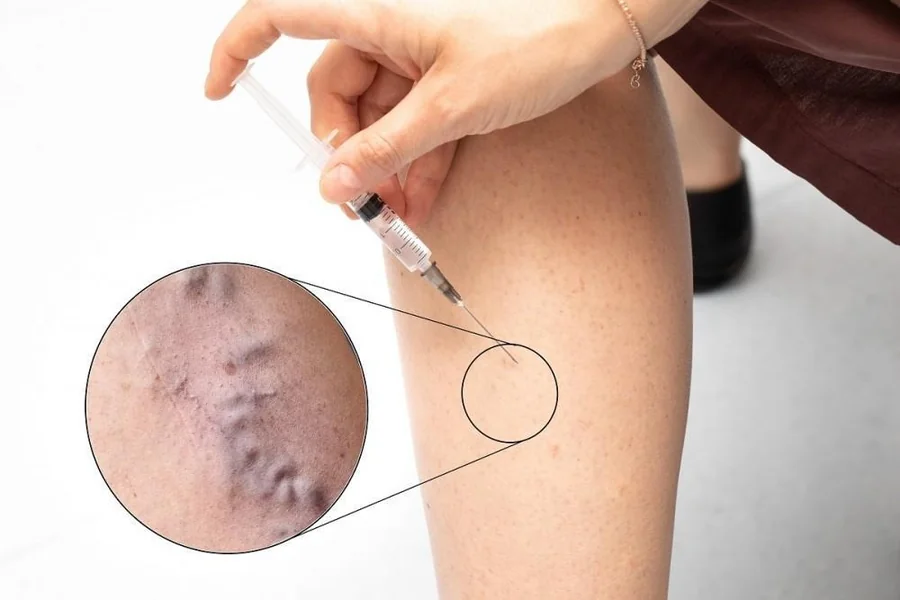
Sclerotherapy treats small varicose or spider veins by injecting a solution into the vein wall, causing it to collapse. Over time, the body absorbs the treated veins, leading to clearer skin and relief from discomfort. Though the session is brief, follow-up appointments are an essential part of the overall treatment plan.
A guide on sclerotherapy effects sometimes highlights how crucial follow-up visits are to track results. These check-ins give providers the opportunity to evaluate healing, recommend next steps, and make personalized adjustments based on how your body is responding. Without this step, recovery and outcomes can become unpredictable.
Healing Progress May Be Hard to Track
Every patient’s recovery unfolds differently depending on vein size, depth, and circulation. Some treated veins take weeks to fade, while others respond faster. A missed appointment removes the chance to assess whether the solution has worked as expected or if further care is needed.
Even if the veins look better on the surface, internal healing may not be complete. Subtle complications like trapped blood or inflammation can develop without immediate symptoms. Catching them early prevents unnecessary delays and supports steady progress.
Next Treatment Steps May Be Unclear
Some cases require multiple sessions for full improvement. A follow-up visit helps determine how many veins remain and which areas may need further attention. Skipping this part limits timely planning and delays ongoing care that may be necessary.
When additional injections are needed, clear communication plays a critical role in treatment success. Missed updates or inconsistent follow-ups can slow progress and affect outcomes. Regular appointments help providers track changes accurately and adjust care plans as needed.
Aftercare Guidance May Be Incomplete
Post-treatment success depends not just on injections but also on how well patients follow care instructions. A missed follow-up means missing updates or corrections to those directions, which may reduce their effectiveness. Guidance can change depending on how the body is reacting.
Key instructions typically include:
- Wearing compression stockings daily
- Walking regularly to maintain blood flow
- Avoiding high-heat exposure for a short period
- Monitoring treated sites for skin changes
- Staying mobile throughout the day
Emotional Support May Be Reduced
Clear communication after a procedure helps manage expectations and ease concerns. Without a follow-up, patients may worry about the pace of visible changes or feel uncertain about whether their recovery is on track. A check-in offers reassurance and clarity.
Feeling supported by a medical professional can improve the overall experience. It offers space for questions, personalized answers, and trust-building. Regular follow-ups reinforce this connection and help patients remain engaged throughout the process.
Treatment Results May Become Uncertain
A guide on sclerotherapy effects would point out that follow-up care strengthens treatment outcomes. It provides essential feedback to your provider and ensures that everything is proceeding as it should. Without it, small details may go unnoticed.
Even when the procedure appears successful, follow-ups confirm deeper healing and guide future care. Attending these visits protects your progress, improves comfort, and helps maintain the visual results over time. Regular monitoring also helps identify which areas may need further attention before new concerns develop.
Why Expert-Led Follow-Up Care Makes a Real Difference
Specialized medical teams that focus on vein care provide structured follow-up systems that support consistent treatment progress. These practices track healing patterns, review injection response, and maintain patient records that guide every future step. Their approach supports steady recovery and allows providers to adjust care based on accurate clinical observation.
Advanced care centers also combine diagnostic insight with detailed post‑procedure guidance. Patients receive tailored instructions, progress evaluations, and professional oversight that extends beyond the treatment day. That level of coordination builds trust and keeps the full care plan clear and organized.