
What to Check Before Calling for Water Softener Repair in Salt Lake City
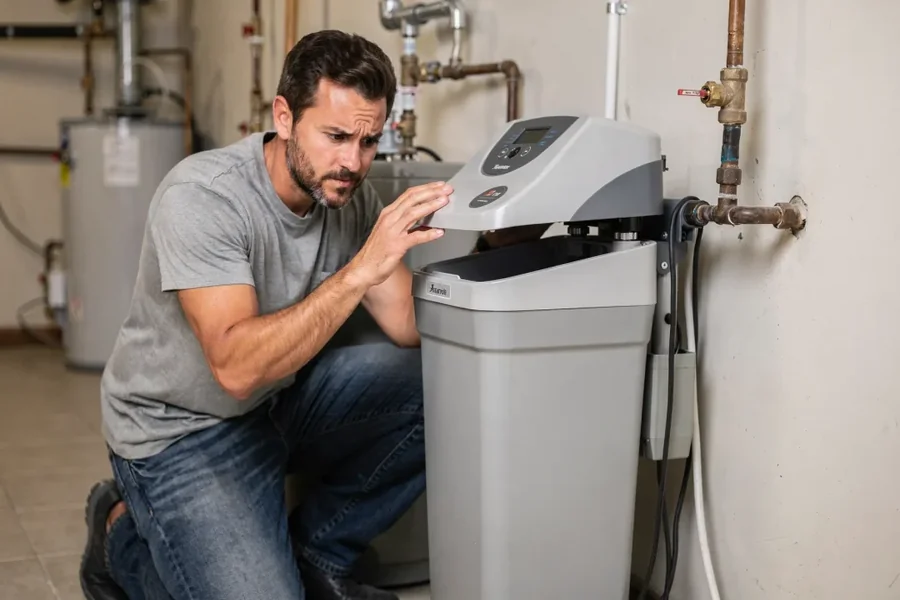
Hard water is a common concern in Salt Lake City, and water softeners play a critical role in protecting plumbing systems and improving water quality. When performance issues begin to appear, it is important to review a few key factors before requesting professional repair. A careful check can help identify simple problems and provide useful details for technicians.
Many property owners consider commercial water softener repair in Salt Lake City when scaling, reduced water flow, or inconsistent softness becomes noticeable. However, not every issue requires immediate service. A basic inspection can reveal whether the system needs adjustment, cleaning, or a more detailed repair process.
System Performance And Basic Functionality
A water softener that is not working properly sometimes shows clear signs. Checking system performance helps determine if the issue is minor or requires expert attention.
Signs To Review Before Calling
- Water Hardness Levels: Test water from different taps to confirm if hardness has returned. Consistent hardness may indicate resin or regeneration issues.
- Salt Levels In The Brine Tank: Low or hardened salt can prevent proper regeneration. Salt bridges or clumps should be broken down carefully.
- Unusual Water Taste or Smell: Changes in taste may signal buildup or contamination inside the unit.
- Water Pressure Changes: Reduced flow can result from clogged filters or internal blockages.
Each of these indicators provides useful information about system condition. Identifying these signs early can help avoid unnecessary service calls and support an accurate diagnosis.
Mechanical And Maintenance Checks
Routine maintenance issues are often the root cause of water softener problems. Reviewing mechanical components ensures that the system is operating as intended.
Key Areas To Inspect
- Control Valve Settings: Incorrect programming can disrupt regeneration cycles. Settings should match household or commercial usage levels.
- Resin Tank Condition: Old or worn resin beads reduce efficiency. Visual inspection may reveal discoloration or buildup.
- Drain Line Functionality: Blocked or kinked drain lines can prevent proper discharge during regeneration.
- Injector and Nozzle Cleanliness: Sediment buildup can restrict water flow and impact system performance.
These checks help determine whether the issue is related to maintenance or internal damage. In many cases, proper cleaning and adjustment can restore function without major repair.
Water Usage Patterns And System Load
Changes in water usage can affect how well a softener performs. Increased demand may require system recalibration or component upgrades.
A system designed for a smaller load may struggle under higher demand, leading to incomplete regeneration cycles. This is especially relevant for properties considering commercial water softener repair in Salt Lake City, where usage patterns sometimes shift over time. Evaluating water consumption helps identify whether the system is still properly sized and configured.
When Professional Repair Becomes Necessary
If basic checks do not resolve the issue, professional repair becomes the next step. Persistent hardness, repeated system errors, or visible leaks indicate deeper problems that require technical expertise.
Providing detailed observations during the service call improves efficiency. Information about recent maintenance, changes in water usage, and specific symptoms allows technicians to diagnose the issue more accurately. This reduces downtime and ensures that repairs address the root cause.
Final Considerations Before Scheduling Service
Taking time to inspect the system before calling for repair can save time and prevent unnecessary expenses. A clear understanding of system behavior helps determine whether the issue is minor or requires professional attention.
A well-maintained water softener operates consistently and supports long-term water quality. Regular checks, timely maintenance, and informed decisions ensure that the system continues to perform reliably in Salt Lake City conditions.