
Why CAM Software Education Is Essential for Modern CNC Machinists
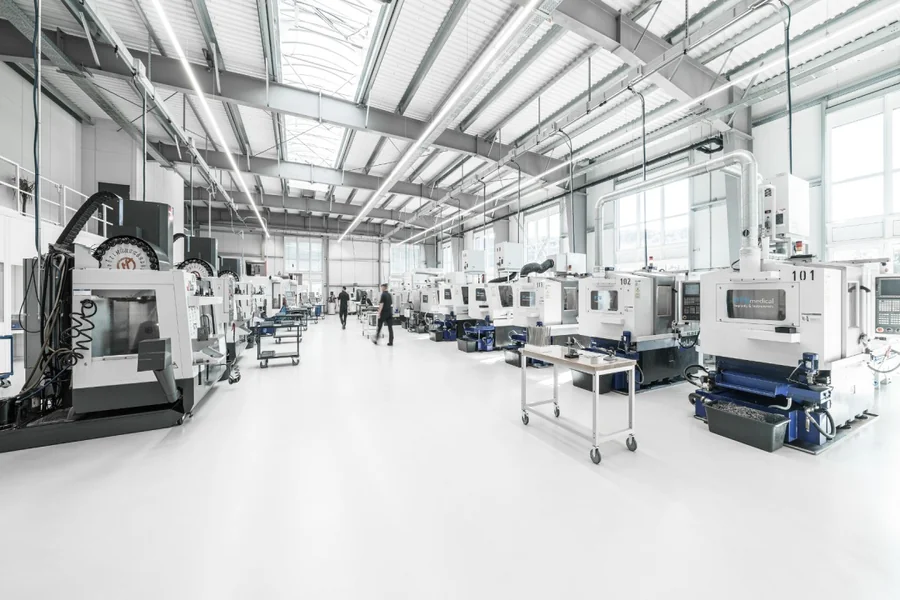
Modern manufacturing has evolved far beyond manual machining and basic G-code programming. Today’s CNC environments rely heavily on advanced digital workflows, 3D modeling integration, simulation, and toolpath optimization. Without proper training, even experienced machinists can struggle to keep up.
That’s why investing in cam software education is no longer optional—it’s essential for staying competitive in advanced machining environments.
The Growing Skills Gap in CNC Machining
Manufacturing technology is advancing rapidly. However, workforce development often lags behind.
Common challenges include:
- Limited understanding of advanced toolpath strategies
- Inefficient program optimization
- Incomplete knowledge of simulation tools
- Difficulty integrating CAD models into machining workflows
- Increased scrap due to programming errors
Without structured training, CNC operators may rely on outdated methods that reduce productivity and increase risk.
The Role of CAM Software in Modern Machining
Computer-Aided Manufacturing (CAM) software translates digital designs into precise machining instructions.
Modern CAM systems support:
- Multi-axis machining
- Complex contouring
- Toolpath simulation
- Collision detection
- Feed and speed optimization
- Automated post-processing
Properly using these tools requires more than basic familiarity—it requires formal education and hands-on training.
1. Improves Programming Accuracy
CAM software education teaches machinists how to:
- Create efficient toolpaths
- Optimize cutting strategies
- Prevent programming errors
- Reduce dimensional deviation
Improved programming accuracy directly reduces scrap and rework.
2. Enhances Productivity
Advanced CAM training helps operators:
- Reduce cycle times
- Optimize feed rates
- Minimize tool changes
- Improve material utilization
Better programming equals faster production without sacrificing quality.
3. Reduces Tool Wear and Equipment Stress
Incorrect CAM programming can lead to:
- Excessive tool wear
- Overheating
- Vibration
- Premature machine wear
Training ensures machinists understand proper cutting parameters and strategies that protect both tools and equipment.
4. Supports Multi-Axis and Complex Machining
Modern components often require:
- 4-axis and 5-axis machining
- Intricate geometries
- Tight tolerances
CAM software education equips machinists with the skills to handle complex parts confidently and efficiently.
5. Minimizes Production Errors
Simulation features within CAM software allow machinists to:
- Detect collisions before machining
- Verify toolpaths virtually
- Identify programming mistakes early
Education ensures these features are used correctly to prevent costly mistakes.
6. Strengthens Career Development
Machinists with advanced CAM skills:
- Command higher professional value
- Qualify for leadership roles
- Adapt more easily to new technology
- Contribute to digital manufacturing initiatives
Ongoing education enhances both individual and organizational growth.
7. Improves Shop Floor Collaboration
CAM-trained machinists communicate more effectively with:
- Engineers
- Designers
- Quality inspectors
- Production managers
Shared digital knowledge streamlines workflow and reduces misunderstandings.
8. Supports Industry 4.0 Integration
As manufacturing embraces digital transformation, CAM software plays a central role in:
- Smart manufacturing
- Data-driven production
- Automated machining systems
- Integrated CAD/CAM workflows
Education ensures machinists can participate in modern, connected production environments.
9. Reduces Downtime and Rework
Well-trained CAM users produce reliable programs that:
- Require fewer adjustments
- Run smoothly on CNC machines
- Maintain dimensional consistency
Reduced troubleshooting leads to higher machine uptime.
10. Builds Competitive Advantage
Manufacturers that invest in CAM software education benefit from:
- Higher production efficiency
- Improved quality control
- Lower scrap rates
- Stronger client confidence
In competitive markets, skilled operators are a strategic advantage.
Final Thoughts
Modern CNC machining demands more than machine operation—it requires digital expertise. Without structured CAM software education, shops risk inefficiency, errors, and lost competitiveness.
By prioritizing cam software education, manufacturers empower machinists to program smarter, work faster, and produce higher-quality components. In today’s technology-driven manufacturing landscape, education is not just an investment in people—it is an investment in performance and long-term success.