
Why End-to-End E-Scooter Mobility App Solutions Are Becoming Industry Standard
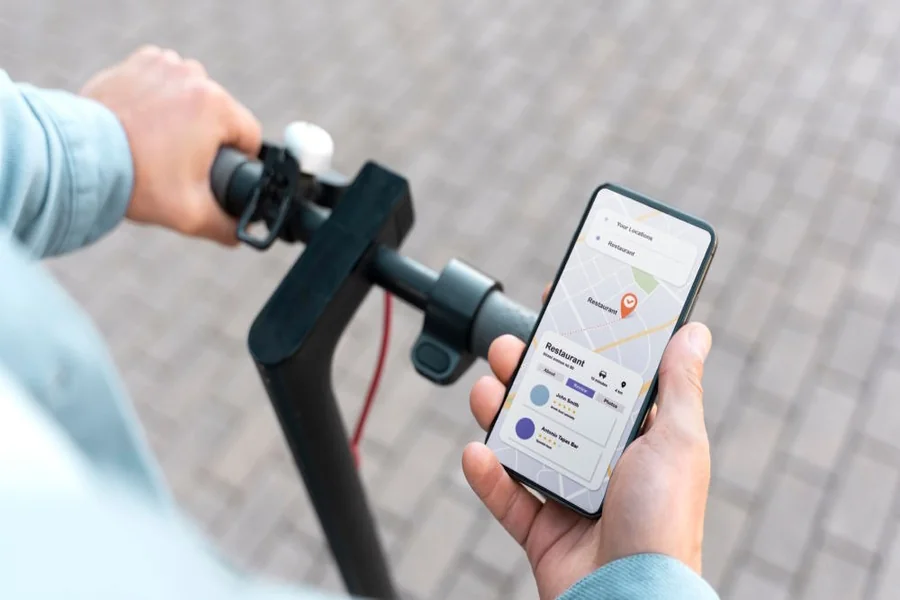
Urban transportation is evolving rapidly, and e-scooters have emerged as a critical solution for reducing city congestion. Companies expanding or launching e-scooter operations need technology that combines fleet management, user interaction, and real-time analytics into one platform. End-to-end e-scooter mobility app solutions provide this integration, enabling faster onboarding, better operational automation, and enhanced customer experience. For U.S. operators, adopting such solutions is no longer optional; it’s key to staying competitive, efficient, and scalable in today’s urban mobility market.
With growing urban populations and increasing commuter demands, manual management of fleets is no longer viable. Operators need seamless systems that can track scooter usage, manage payments, and monitor maintenance in real time. Additionally, integrating rider feedback and analytics into a single platform helps businesses optimize deployment and improve overall service quality. These solutions not only reduce operational costs but also build trust with riders by ensuring consistent, safe, and convenient experiences.
The Rise of E-Scooter Mobility in Urban Transport
Urban commuting is becoming increasingly challenging due to traffic congestion, parking scarcity, and environmental concerns. Cities are searching for efficient, eco-friendly transportation alternatives that reduce carbon emissions and improve convenience. E-scooters address these needs while offering an affordable and flexible option for riders.
The surge in popularity is supported by technological advancements and shifting commuter behavior. Operators now focus on integrating app-based services with hardware monitoring and IoT systems, creating smoother and safer rider experiences. Understanding the growth drivers and user adoption trends is essential for e-scooter operators aiming for sustainable expansion.
Growth Drivers Behind E-Scooter Popularity
E-scooters have gained momentum due to multiple factors that align with urban needs and sustainability goals:
- Increasing urbanization and heavy traffic congestion make traditional transport less viable.
- Eco-conscious consumers seek low-emission, green alternatives to reduce their carbon footprint.
- Government incentives, grants, and city-level policies promote micro-mobility adoption.
This combination of operational efficiency, environmental responsibility, and regulatory encouragement makes e-scooters an attractive choice for cities, operators, and commuters alike.
Market Expansion and User Adoption Trends
The micro-mobility market is expanding rapidly, with app-based rentals driving convenience and accessibility. Modern riders prefer digital platforms for instant booking, easy payment, and real-time updates. This shift is prompting operators to adopt integrated, end-to-end systems that handle both front-end user experience and back-end fleet management.
The global electric scooter market is valued at USD 48.9 billion in 2025 and is projected to grow to around USD 321.6 billion by 2034, at a CAGR of 23.3%. Millennials and Gen Z are the primary adopters, while urban professionals increasingly use scooters for short commutes and first-mile/last-mile connectivity. Operators tapping into these demographics enjoy higher engagement, retention, and revenue potential. Additionally, cities promoting shared mobility services provide an encouraging ecosystem for expansion.
What Constitutes an End-to-End E-Scooter Mobility App Solution?
End-to-end solutions consolidate all operational and rider management tools into a single platform. This eliminates fragmented processes, improves efficiency, and enhances the customer experience. Operators benefit from streamlined fleet management, automated maintenance scheduling, and data-driven insights.
Core Components of the Solution
- User-facing mobile app for booking, ride tracking, and payments.
- Admin panel for fleet management, reporting, and analytics.
- IoT and hardware integration for real-time scooter monitoring and control.
Essential Features Driving Industry Standards
A comprehensive solution includes features that impact both operational effectiveness and rider satisfaction:
- Real-time GPS tracking and geofencing for fleet security.
- Multi-gateway payment systems and wallet integration for seamless transactions.
- Ride history, feedback, and promotions management.
- Automated customer support with dispute ticketing.
Advanced Technologies Enhancing the Experience
Innovation plays a key role in modern e-scooter platforms. AI and machine learning help predict maintenance needs, optimize routing, and enhance fleet utilization. IoT sensors monitor battery health, speed, and safety parameters in real time. Cloud-based infrastructure ensures the platform can scale rapidly while processing large volumes of data efficiently, supporting both local and multi-city operations.
Unique Benefits of End-to-End Solutions Over Fragmented Systems
Fragmented systems often lead to inefficiencies, delayed responses, and inconsistent user experiences. End-to-end platforms integrate processes, reducing manual effort and enabling automated operational workflows. Operators can focus on growth, safety, and customer satisfaction rather than managing multiple disconnected tools.
Operational Efficiency and Automation
Unified solutions automate key processes, including fleet deployment, maintenance scheduling, and incident reporting. Notifications for low battery, scooter malfunctions, or misplacement reduce downtime and operational costs. With minimal manual interventions, teams can focus on service expansion and rider engagement.
Improved User Experience and Trust
A seamless app experience enhances rider trust and loyalty. Reliable app performance, secure payment gateways, transparent ride ratings, and efficient dispute resolution create a positive experience. Repeat usage increases when customers feel confident about service quality and responsiveness.
Data-Driven Insights and Business Growth
Analytics dashboards provide actionable insights into rider behavior, fleet utilization, popular routes, and peak usage times. Operators can deploy scooters more effectively, improve ROI, and design targeted promotions. Data-driven decision-making empowers operators to plan expansion, optimize resources, and enhance overall business performance.
Industry Trends Shaping Next-Gen E-Scooter Apps in 2025
The e-scooter industry is evolving, and operators must keep pace with emerging trends. Apps now go beyond basic booking and payment, incorporating sustainability, safety, multi-country support, and third-party integrations.
Integration of Sustainability and Carbon Tracking Tools
Environmental awareness is a significant driver for adoption. Many apps now include carbon-tracking features, showing emissions saved per ride and offering green rewards. This not only encourages eco-friendly commuting but also strengthens brand image among environmentally conscious users.
Expansion of Multi-Country and Multi-Language Support
Global operators must cater to diverse markets. Multi-language support, regional compliance, and adaptable interfaces are crucial for smooth onboarding and operational efficiency across countries. End-to-end solutions help operators scale internationally without compromising user experience.
Enhanced Safety Features and Compliance
Safety remains a top priority. Next-gen apps provide accident alerts, enforce speed limits, and deliver in-app safety guidance. Integrated compliance and insurance modules reduce liability risks and ensure adherence to local regulations, making operations more secure and reliable.
Increasing Role of Third-Party Integrations
Integration with third-party systems is vital for modern mobility platforms. Payment gateways, IoT devices, and smart city infrastructure improve operational efficiency and expand service capabilities. This allows operators to offer enhanced user experiences while maintaining smooth backend operations.
Choosing the Right E-Scooter App Development Services
Selecting the right development partner is critical for success. Experienced providers understand IoT, AI, cloud scalability, and multi-country deployment. They ensure that apps are customizable, secure, and future-ready.
What to Look for in a Development Partner
A reliable partner should have expertise in:
- Real-time IoT scooter tracking and management.
- Cloud infrastructure to support large-scale fleets.
- AI-powered predictive maintenance and route optimization.
- White-label customization and multi-language support.
Cost-Benefit Considerations
Evaluate subscription versus one-time development models carefully. Include ongoing support, upgrades, and regular feature updates in your assessment. End-to-end solutions often prove more cost-effective and scalable than managing multiple disconnected systems.
Future-Proofing Your Mobility Business
A scalable, adaptable platform ensures that operators can integrate new features, technologies, and market expansions. Choosing future-ready e scooter app development services prepares businesses for evolving market demands, technological advances, and customer expectations.
Conclusion
End-to-end e-scooter mobility app solutions have become the industry standard due to operational automation, enhanced user experience, and data-driven insights. Operators adopting holistic platforms gain efficiency, build user trust, and maintain a competitive edge in the U.S. micro-mobility sector. Investing in comprehensive solutions ensures sustainable growth, effective fleet management, and long-term success.
These platforms also allow operators to stay agile in a rapidly evolving market, adapt to regulatory changes, and incorporate emerging technologies such as AI-driven predictive maintenance and IoT-based safety monitoring. By providing a unified experience for both riders and fleet managers, businesses can strengthen brand loyalty and expand their services with confidence. In essence, end-to-end solutions are not just a technological upgrade, they are a strategic investment in the future of urban mobility.