
Why Your Wheel Design Choice Matters More Than You Think
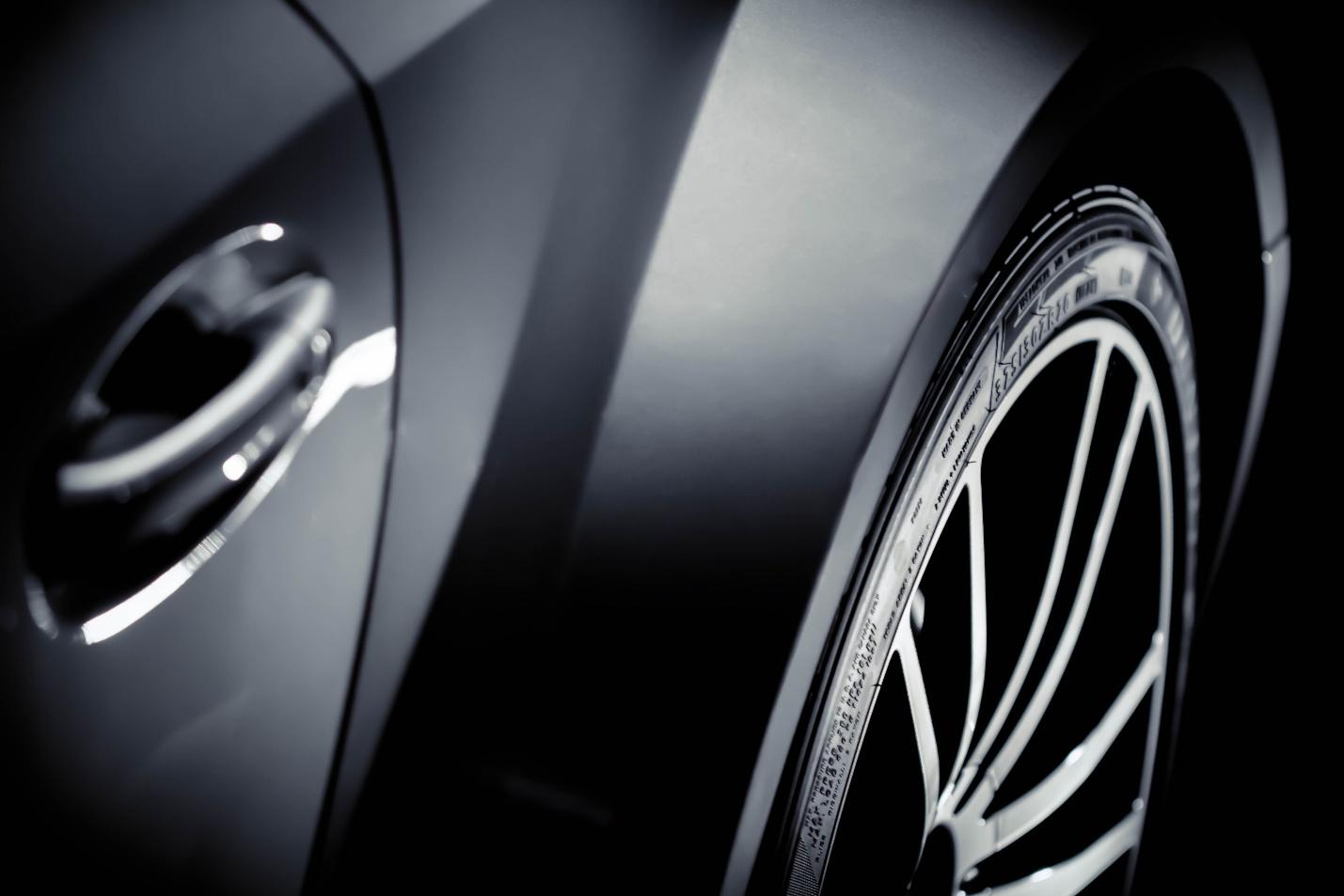
Unless you are a car enthusiast, you may not think about aspects of your car like an exhaust or wheel. But here is what many drivers don’t realize your wheel design choice is one of the most consequential decisions you make about your vehicle. Wheels don’t just hold your tires; they alter the way your car performs.
The design you choose makes a drastic difference to your car and how people view it, as let’s face it, when you are in a car park, certain mods accessories do catch your eye more than others. Whether you realize it or not, your wheel design choice matters profoundly, affecting nearly every aspect of your driving experience and vehicle ownership.
How Wheel Design Directly Impacts Performance
Before we go into specific wheel types, it is crucial to understand that wheel design isn’t primarily all about aesthetics. The engineering behind a wheel has immediate and measurable effect on a vehicle’s performance.
Wheels do have their own weight that needs to be considered as this affects the unsprung mass which is the weight that the suspension in the car does not directly support. Therefore, lighter wheels reduce the unsprung mass which results in your suspension responding more quickly to road imperfections. The result of this is that you have a better handle over your vehicle, a higher quality ride and you will find that your steering is more responsive.
This will become evident if you were then to go in a vehicle with heavy, poorly designed wheels as the vehicle’s responses will feel sluggish and disconnected. The difference isn’t as subtle as many drivers think and it does become more and more noticeable.
When it comes to handling, the spoke pattern and the overall design of the wheel affects the weight distribution within the wheel itself. By focusing on the wheels weight distribution, it can distribute it evenly which therefore will improve the balance, while reducing the vibration. The main factor of any worked-on design is to improve overall performance of a vehicle as it makes a product worth the investment.
Different Wheel Design Types and Their Purposes
Like any market there is a strive to create the best product and different ranges for people to choose from. The different wheel types created are in distinct wheel design categories as they are all designed for different purposes.
There are multi-spoke performance wheels that tend to feature 5,7,10 or more spokes which are engineered for performance driving. Designed to maximize structural rigidity while minimizing weight.
There are then split-spoke and dual-spoke wheels that have a design that features asymmetrical spoke patterns where one side of the wheel differs from the other. This design strategy optimizes weight distribution and airflow while creating distinctive, modern aesthetics. Split-spoke wheels are increasingly common on contemporary vehicles because they balance performance with modern design language. They work well on a wide range of vehicles from sedans to crossovers.
Mesh wheels however feature a fine grid pattern rather than distinct spokes. They’re popular on luxury vehicles and contemporary designs because they look sophisticated and modern. From a performance standpoint, mesh wheels typically weigh more than multi-spoke alternatives, but their distinctive appearance makes them popular regardless. Mesh wheels represent a design philosophy that prioritizes elegance over raw performance.
Classic and traditional wheels have vintage inspired designs. They work particularly well on classic vehicles, trucks, and vehicles meant to evoke a specific era. While these designs can be heavier than modern performance wheels, they serve an aesthetic purpose, making vehicles look intentional and historically appropriate. A 1970s truck looks right with classic wheels; it would look wrong with modern mesh designs.
There are off-roading wheels like KMC Wheels, are designed to be strong and durable as they are constructed to be thicker and engineered to handle the impact of rocks and rougher terrains. Off-road wheels often look more utilitarian and aggressive because they are designed for aggressive use. They’re built to survive abuse that would destroy performance wheels. For actual off-road driving, this design category is essential.
Truck and SUV have Specific Designs with wheels that are designed specifically for trucks and large SUVs balance strength requirements with aesthetic preferences. These vehicles need wheels capable of handling significant weight and towing loads.
Lightweight Track Wheels, however, are specifically designed for racing and track driving. These wheels minimize weight at the expense of durability. They’re engineered to the absolute limit of material science, sometimes sacrificing everyday durability for minimal weight. Track wheels are only appropriate if you actually use your vehicle on racetracks. For street driving, they’re overkill and potentially problematic due to reduced durability margins.
Brand and Market Positioning
Manufacturers choose specific wheel designs to position their vehicles in the market. Luxury vehicles get refined wheel designs. Performance vehicles get aggressive designs. Utility vehicles get functional designs. When you modify your wheels, you’re essentially changing how your vehicle presents itself to the world.
The design you choose will impact on its resale value as there needs to be a market appeal to the decision. A vehicle with attractive wheels that match its market positioning looks intentional and well-maintained. Mismatched or poorly chosen wheels make vehicles look neglected or misguided, even if everything else is perfect.
Online vehicle sales are heavily influenced by photography. Wheels are prominent in photos. Quality wheel design makes your vehicle photograph better, attracts more interest, and generates more inquiries from serious buyers.
Price Premium
Vehicles with high-quality, appropriate wheel designs consistently sell for more money than identical vehicles with generic wheels. The premium varies—anywhere from $300 to $1,500 depending on the market and wheel quality, but it’s consistently positive. Quality wheels are an investment that you recover when selling.
Buyer Psychology
When potential buyers see quality wheel design, they subconsciously interpret it as a sign of proper maintenance and owner care. They assume that someone who invested in quality wheels also invested in regular maintenance, proper repairs, and overall care. This positive impression influences their willingness to pay closer to asking price.
Wheel Design and Fuel Economy
It’s important not to overlook wheel design and its impact on fuel economy. Lighter wheels reduce rolling resistance, which is the energy needed to keep wheels spinning. This directly translates to improved fuel economy. The difference might be modest, 0.5 to 2 MPG depending on how much weight you’ve saved, but over a vehicle’s lifetime, this compounds into real fuel savings.
Some wheel designs are more aerodynamic than others. Wheels with closed designs trap air differently than wheels with open-spoken designs. For highway driving where aerodynamics matter significantly, wheel design can influence fuel economy. The effect is subtle but measurable on long highway trips.
Wheel design can indirectly affect tire rolling resistance. Wheels are designed to mount tires properly and symmetrically encourage even tire wear, which maintains optimal rolling characteristics. Poorly designed wheels can cause abnormal tire wear that increases rolling resistance.
Your wheel choice directly impacts on the type of drive you’re going to have, the aesthetic and even the longevity of the tires. With different designs and purposes, wheels are designed for specific cars and terrains so it’s important to remember this when choosing them. You don’t want your everyday wheel used in an off-road terrain.
The next time you’re looking at vehicles or considering an upgrade, pay attention to wheel design. Notice how different wheels completely transform a vehicle’s appearance and presence. Understand that you’re not just choosing something that looks good, you’re making a decision that affects how your vehicle performs and functions.