
Where to Splurge and Where to Save in Home Design
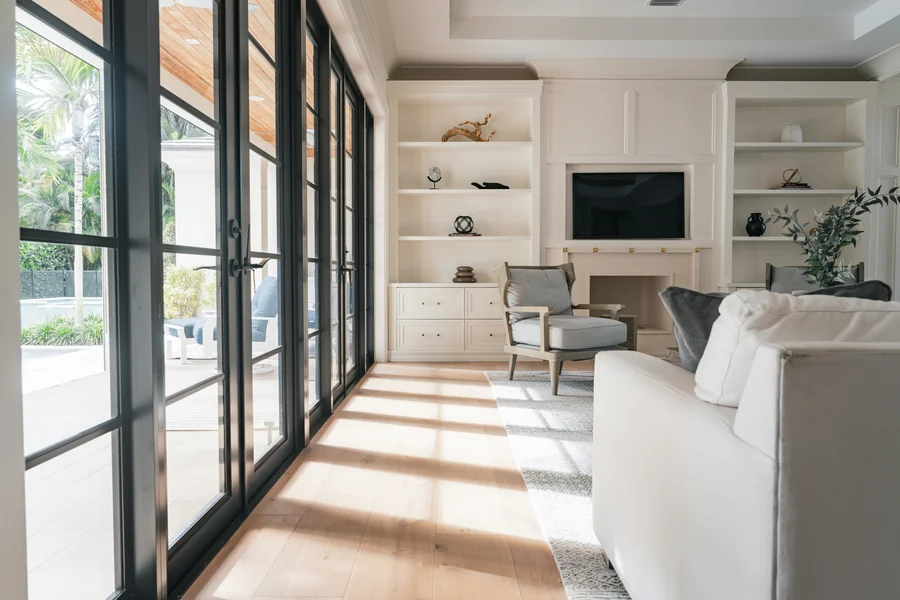
Designing a home is as much about discernment as it is about desire. Every project comes with financial boundaries, even at the highest end of the market. The most compelling interiors are rarely the result of unlimited spending. Instead, they reflect an understanding of where investment truly matters and where restraint can be just as powerful. Knowing when to splurge and when to save is not about compromise but about strategy, allocating resources in ways that elevate both beauty and longevity.
In an era when design inspiration is everywhere and trends move quickly, thoughtful spending has become a mark of sophistication. Designers increasingly focus on value rather than price alone, weighing craftsmanship, durability, and emotional impact. The goal is to create spaces that feel layered, personal, and enduring rather than overly precious or disposable.
Invest in What You Touch Every Day
One of the clearest guidelines in home design is to invest in the elements you interact with most frequently. Flooring, seating, and surfaces that endure daily use deserve careful consideration and a larger share of the budget. High-quality materials and construction not only look better over time but also age more gracefully, developing character rather than wear.
Sofas, chairs, and beds are foundational pieces that influence comfort as much as style. A well-made sofa with a solid frame and premium upholstery can last decades, while a cheaper alternative may need replacing within a few years. The same principle applies to flooring. Whether it is hardwood, stone, or a beautifully woven carpet, investing in quality underfoot pays dividends in durability and visual cohesion.
Save on Trends That Change Quickly
Design trends have a natural life cycle, and not all of them warrant long-term investment. Colors, patterns, and finishes that feel exciting today may feel dated sooner than expected. These are ideal areas to save, allowing flexibility to refresh the look of a space without significant cost.
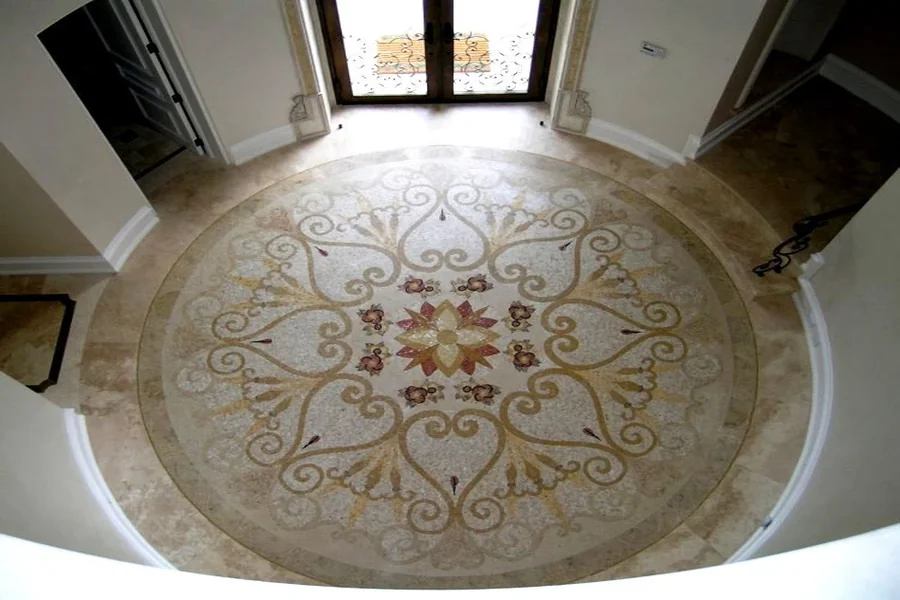
Paint, textiles, and accessories offer opportunities to experiment without commitment. For instance, swapping out accent pieces like black and white pillow covers is an easy way to refresh a room’s look, adding contrast and visual interest without a major investment. Cushions, throws, and decorative objects can introduce current trends in a way that feels playful rather than permanent. Even statement pieces, such as a mosaic rug that brings pattern and color to a room, can be chosen at accessible price points, offering impact without tying up the budget in something that may not feel relevant in ten years.
Splurge on Kitchens That Work Hard
The kitchen is often described as the heart of the home, and it is one of the most complex and heavily used spaces to design. This is an area where splurging wisely can transform daily life. High-quality cabinetry, durable countertops, and reliable appliances are worth the investment, as they influence both functionality and resale value.
Custom or semi-custom cabinetry allows for better use of space and tailored storage solutions. Well-made cabinets also maintain their appearance far longer than budget alternatives, resisting warping and wear. Countertops should be chosen with longevity in mind, prioritizing materials that withstand heat, moisture, and regular cleaning.
That said, there are still opportunities to save in the kitchen. Backsplashes, hardware, and lighting can deliver personality without dominating the budget. By focusing spending on the elements that do the hardest work, the overall result feels considered and luxurious without excess.
Be Strategic in the Bathroom
Bathrooms occupy a similar position in the hierarchy of design investment. They require durable materials and careful detailing, as they contend with moisture, heat, and daily use. Investing in high-quality fixtures, waterproofing, and tile installation ensures longevity and reduces the likelihood of costly repairs.
Saving in the bathroom often comes down to scale rather than quality. Instead of covering every surface with premium materials, designers may choose a focal point, such as a shower or vanity wall, and keep other areas more restrained. Thoughtful details, including lighting and mirrors, can elevate the space without inflating costs.
Spend on Architectural Details
Architectural elements form the bones of a home and deserve attention. Moldings, built-ins, staircases, and fireplaces shape how a space feels and functions. These features are difficult and expensive to change later, making them prime candidates for investment.
Custom millwork, for example, can provide storage, define zones, and add character that feels intrinsic to the home rather than applied. When done well, these details blur the line between architecture and furniture, contributing to a sense of permanence and craftsmanship that cannot be replicated with temporary solutions.
Save on Decorative Lighting, Splurge on Ambient Light
Lighting is one of the most transformative aspects of interior design, but not all lighting requires equal investment. Decorative fixtures, such as table lamps or pendants chosen primarily for their visual appeal, can often be sourced at accessible prices. These pieces are easier to update and can follow changing tastes.
Ambient and architectural lighting, however, deserves greater attention. Recessed lighting, integrated LEDs, and well-planned dimming systems influence how a space is experienced throughout the day. Investing in a thoughtful lighting plan ensures flexibility and comfort, allowing rooms to shift from functional to atmospheric with ease.
Invest in Art That Resonates
Art has a unique ability to define a home, conveying personality and depth in ways few other elements can. Investing in artwork that resonates on an emotional level often proves more rewarding than chasing trends or filling walls quickly. This does not necessarily mean purchasing expensive pieces but rather choosing works that feel meaningful and considered.
For those drawn to statement pieces, wall mosaic art can serve as both decoration and focal point, adding texture and narrative to a space. When art is chosen with intention, it becomes part of the home’s identity rather than an accessory to be replaced.
Save on Storage Solutions That Can Evolve
Storage is essential, but not all storage needs to be custom-built. Freestanding wardrobes, shelving systems, and modular units can offer flexibility and cost savings, particularly in spaces where needs may change over time.
Children’s rooms, home offices, and utility spaces benefit from adaptable storage solutions that can evolve. Saving in these areas allows more budget to be allocated to permanent elements elsewhere, while still maintaining functionality and order.
Splurge on Windows and Doors
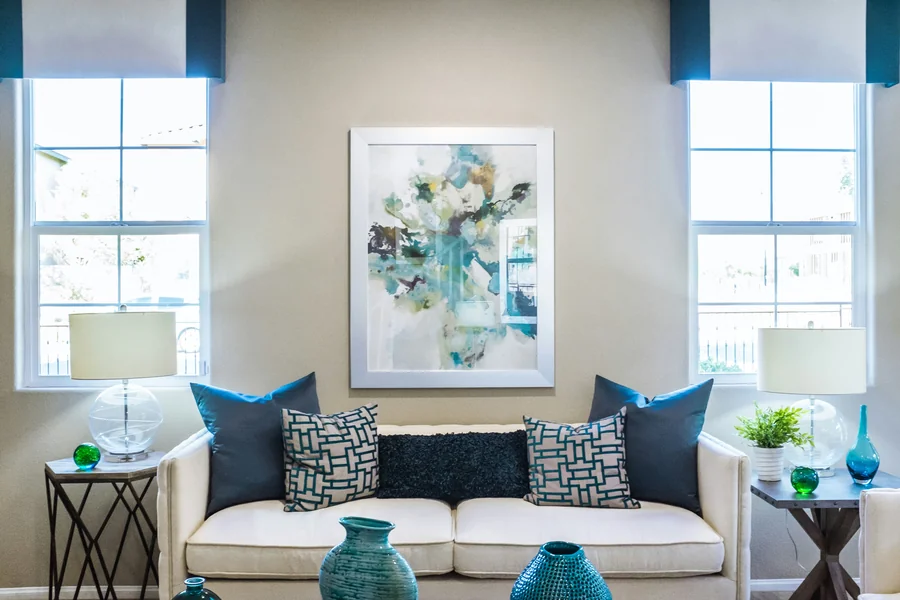
Windows and doors influence both the aesthetics and performance of a home. High-quality options improve insulation, acoustics, and security while also enhancing architectural character. In many cases, they also frame views and control the flow of natural light, making them a critical design element.
Replacing or upgrading windows and doors is a significant investment, but one that pays off in comfort and energy efficiency. Their visual impact is constant, making quality immediately apparent in daily living.
Save by Mixing High and Low Materials
One of the most effective ways to balance a budget is to mix high-end materials with more affordable alternatives. Designers often juxtapose luxury finishes with simpler ones, creating contrast and interest without uniform expense.
For example, pairing a statement stone countertop with straightforward cabinetry or combining bespoke furniture with vintage finds can result in a layered, authentic interior. This approach avoids the flatness that can come from overspending everywhere or cutting corners indiscriminately.
Invest in Craftsmanship Over Brand Names
In a design landscape saturated with recognizable brands, it is easy to equate quality with name recognition. However, craftsmanship often matters more than labels. Investing in well-made, thoughtfully designed pieces, regardless of brand, leads to more satisfying results.
Artisans, small studios, and independent makers frequently offer exceptional quality and originality. These pieces bring a sense of individuality that mass-produced items cannot, contributing to a home that feels curated rather than catalog-driven.
Save on Finishes That Are Easy to Update
Finishes such as hardware, switch plates, and small fittings can often be updated with minimal effort and cost. While quality is still important, these elements do not require the same level of investment as structural or heavily used components.
Choosing classic, understated options allows them to blend seamlessly into the background. If tastes change, updating these details is far less disruptive than altering major surfaces or built-in features.
Creating Balance Through Thoughtful Choices
The most successful interiors are not defined by how much money is spent but by how intelligently it is allocated. Splurging in the right places creates a sense of depth and quality, while saving elsewhere preserves flexibility and prevents the space from feeling overdesigned.
This balance also encourages creativity. Constraints often lead to more inventive solutions, pushing designers and homeowners alike to think critically about what truly matters.