
The Right Way to Choose a Cannabis Product for Your Specific Wellness Goal
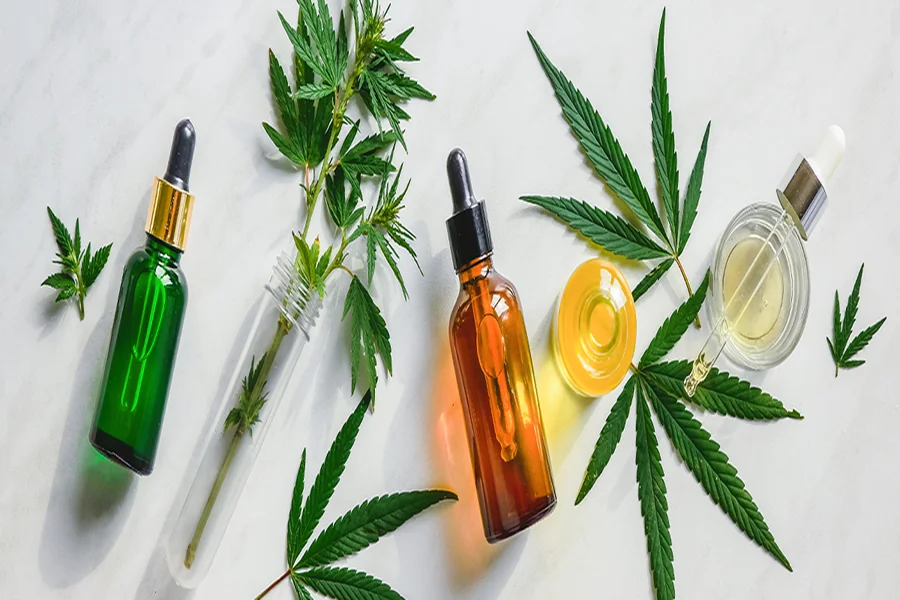
Walking into a cannabis store for the first time can feel genuinely overwhelming. Dozens of products, formats, and potency levels are all staring back at you, and most of the packaging assumes you already know what you’re doing.
The honest truth is that most buyers default to whatever looks familiar or whatever a friend swore by last month. That approach works occasionally, but it skips the one variable that matters most: what you personally need from the experience.
This guide breaks down how to match the right cannabis product to your specific wellness goal so you stop guessing and start buying with real confidence.
Start by Getting Clear on What You Actually Want to Fix
The Problem With Buying Without a Goal
Most people pick a product based on what the label looks like or what happened to be on sale that day. That’s not a strategy, it’s a lottery. And it explains why so many people try cannabis a handful of times, feel nothing particularly useful, and write it off entirely.
Without a clear goal, you end up cycling through products that never quite land. You spend money, feel underwhelmed, and assume the issue is cannabis rather than the mismatch between product and purpose.
Wellness goals generally fall into four clear categories: sleep support, pain and physical recovery, stress and anxiety management, and mood or focus. Knowing which one you’re targeting changes everything that follows.
How to Define Your Primary Wellness Objective
Before you walk into any store or open any website, pick one primary goal. Just one. Sleep issues require a completely different cannabinoid profile than anxiety. Pain relief calls for different formats and timing than focus support.
Being specific doesn’t limit your options. It actually opens them up. When you walk in with a clear objective, staff can do their job properly and point you to exactly what fits rather than giving you a general tour of the whole product floor.
Why One Product Rarely Solves Everything
Cannabis affects people differently based on body chemistry, existing tolerance, and how consistently it’s used. Trying to find one product that handles sleep, pain, and anxiety at the same time usually means finding one that handles none of them particularly well.
Start narrow. Pick your most pressing goal and build from there. Once you understand how your body responds to a specific product and dose, expanding your routine becomes a lot more straightforward.
LSD can also cause anxiety, confusion, panic, impaired judgment, and other psychological effects. Its use is illegal or tightly controlled in many countries, and there is no guaranteed way to predict how someone will respond. If you’re learning about buy lsd online for school or general knowledge, reliable medical or public-health sources are the safest place to learn more.
Match the Right Product Format to the Experience You Need
What Each Format Actually Does
Format determines how quickly you feel effects and how long they last. Those two factors matter enormously depending on what you’re trying to achieve.
Edibles take 45 to 90 minutes to kick in but deliver a longer, steadier experience that works well for sleep and sustained pain relief. Tinctures and oils move faster, usually within 15 to 30 minutes, making them a better fit for daily stress and anxiety. Flower and vape products act within minutes, which suits acute stress or situations where you need fast relief, but the effects wear off sooner.
Why Format Matters as Much as the Product Itself
You can have a perfectly formulated CBD product that simply never performs because the delivery method doesn’t match the goal. A high-quality tincture won’t support deep sleep as reliably as a long-release edible. A gummy won’t help someone who needs relief within the next twenty minutes.
This is where local expertise genuinely helps. The staff at a reliable Somerset dispensary can walk you through which formats suit your specific goal before you spend a dollar, which saves a lot of trial and error down the road.
Matching Format to Your Lifestyle, Not Just Your Goals
Timing matters beyond just the product itself. A professional managing afternoon anxiety shouldn’t be relying on something with a 90-minute onset in the middle of a workday. Athletes recovering from evening training need different timing than someone who just wants help switching off before bed.
Think about when and where you need the relief, not just what you need it for. Format selection becomes much easier once those two things are clear.
Understand Potency and the CBD to THC Ratio Before You Buy
What the Numbers on the Label Actually Mean
The percentage figures on cannabis labels tell you the concentration of THC and CBD in the product. What most people miss is that neither number tells the full story on its own. The ratio between the two matters far more than either figure in isolation.
High THC doesn’t automatically mean better results. For anxiety in particular, products that skew too heavily toward THC can actually make symptoms worse. A balanced or CBD-dominant product often delivers more useful outcomes without the unwanted side effects.
Where to Start if You Have Low or Zero Tolerance
If you’re new to cannabis or returning after a long break, start with high-CBD, low-THC products. A 10:1 ratio or higher gives you the therapeutic benefits of CBD while keeping psychoactive effects minimal.
According to the National Institutes of Health, CBD demonstrates measurable effects on anxiety and sleep quality without the psychoactive properties associated with THC. That makes high-CBD products a logical starting point for anyone who wants results without feeling altered.
Microdosing is a widely recommended approach for new users. Small, consistent amounts over several days give your body time to respond without overwhelming your system on the first try.
How to Adjust Potency Based on What You Observe
Give any new product at least five to seven consistent uses before making a judgment. One experience, good or bad, tells you very little. Your body needs time to calibrate, especially if this is your first time using cannabis for wellness purposes.
Keep a simple log. Write down the product, the dose, the time you took it, and how you felt a couple of hours later. Small notes over two weeks reveal patterns that are impossible to spot in the moment.
Pay Attention to Ingredients and Lab Testing
Why Lab Results Are Non-Negotiable
Third-party lab testing is the only way to verify that a product actually contains what the label claims. Certificates of Analysis show cannabinoid content, confirm potency, and screen for pesticides and contaminants.
If a brand doesn’t make their COAs publicly available, that by itself is a reason to move on. Transparency around lab results is a basic standard for any reputable cannabis company, not a premium feature.
What to Look for Beyond the Cannabinoid Profile
Ingredients beyond the cannabinoids deserve attention too. Products formulated for sleep often include melatonin or magnesium. Calm-focused products may add L-theanine. Anti-inflammatory products sometimes contain turmeric or black pepper extract.
These additions can meaningfully amplify the effect you’re after, but they can also interfere with other medications or simply not suit what you need. Reading the full ingredient list before you buy takes thirty seconds and prevents a lot of avoidable disappointment.
How In-Store Buying Makes All of This Easier
Physical dispensaries display lab results openly and staff can walk you through them in plain language. You’re not hunting through a product page hoping to find a PDF link buried at the bottom.
Buying in person also means you can inspect the product, ask specific questions about batch testing, and make a real decision rather than one based on photographs and marketing copy.
Build a Routine Instead of Chasing a One-Time Fix
Why Consistency Beats Experimentation
Cannabis wellness works through accumulation rather than isolated experiences. Regular, consistent use gives your endocannabinoid system time to respond in a predictable, repeatable way.
Most people who feel like cannabis doesn’t work for them gave up within the first few uses. That’s like deciding exercise doesn’t help after three sessions. The results come from the routine, not the single experience.
Tracking What Works and Adjusting Over Time
You don’t need a complicated system. A few lines in a notes app after each use is enough to spot what’s helping and what isn’t. Record the product, the dose, the time of day, and your general state before and after.
Two to three weeks of consistent notes will show you clear patterns. You’ll know which dose actually helps you sleep, whether edibles or tinctures suit your mornings better, and how your body responds to different cannabinoid ratios.
When to Revisit Your Product Choice
Your wellness needs shift over time. The product that worked well during a low-stress season may need adjusting when things get busier. Physical recovery needs change as training intensity or activity levels shift.
Treat your cannabis routine the same way you’d treat any other wellness habit. Check in on it every few months, stay open to adjusting, and don’t assume that what worked last year is still the best option today.
Final Thoughts
Choosing the right cannabis product comes down to four things: knowing your goal, picking the format that fits your lifestyle, understanding what the potency numbers actually mean, and verifying that what you’re buying has been properly tested.
Most people who feel like cannabis never worked for them simply never matched the right product to the right purpose. The good news is that once you know what you’re looking for, finding it becomes straightforward.
Start with one clear goal. Choose a format that suits your timing and lifestyle. Give it enough consistent use to see real results. That’s the whole approach, and it works far better than buying whatever happens to look good on the shelf.