
Portable Toilet Hygiene: What ‘Sanitised’ Actually Means
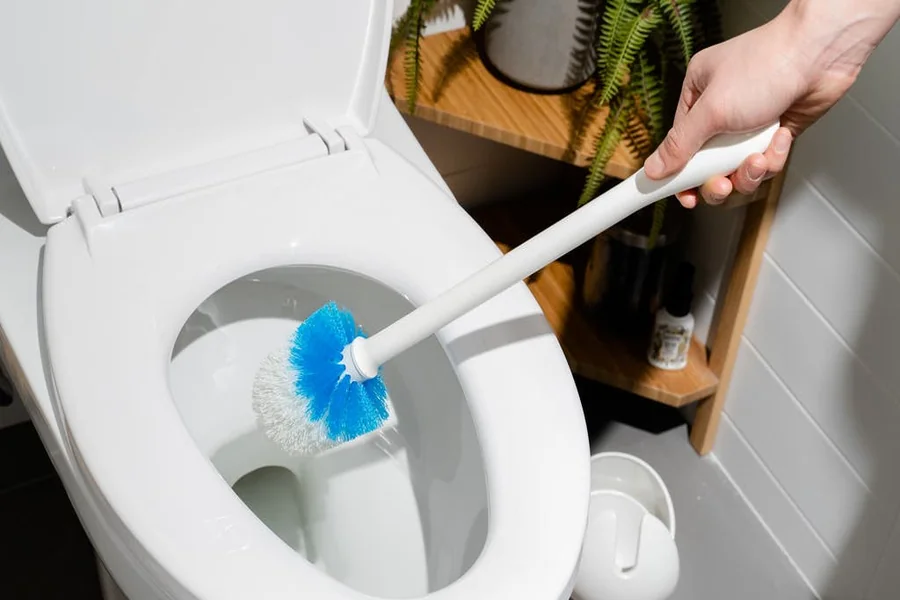
“Sanitised” is one of those words that sounds reassuring and can still mean very different things depending on who’s using it. With portable toilets, the difference matters because cleaning that looks good isn’t always cleaning that reduces hygiene risks. A unit can smell better and appear tidy while still having high-touch surfaces that haven’t been properly disinfected.
In practical terms, most portaloo cleaning services sit on a spectrum that starts with basic tidy-up tasks and moves toward a repeatable process that targets waste handling, surface disinfection, restocking, and odour control in a way that holds up between visits.
Cleaning, Sanitising, and Disinfecting Are Not the Same
These terms often get used interchangeably, but they describe different outcomes.
- Cleaning removes visible dirt and grime. It usually involves detergent and water and makes surfaces look better.
- Sanitising lowers the number of germs to a safer level for routine use. It typically comes after cleaning because grime can block products from working properly.
- Disinfecting is a stronger step intended to kill a wider range of microorganisms on hard, non-porous surfaces, usually requiring the right product and enough contact time.
For portable toilets, “sanitised” should at minimum imply that high-touch points have been treated after cleaning, not just wiped down for appearance.
High-Touch Points That Should Be Treated Every Service
Portable toilets have predictable contact zones. A thorough hygienic service targets these areas deliberately.
Common high-touch points include:
- Door handle and latch (inside and outside)
- Lock mechanism
- Seat and seat underside
- Urinal edges
- Hand-sanitiser dispenser and push points
- Any grab rails or support handles
- Edges around the tank opening where splashes can occur
If a service focuses mainly on the bowl area and ignores the door hardware and locks, it misses the spots most likely to transfer germs between users.
Waste Handling and Splash Control Matter More Than You Think
The most obvious part of a service is waste removal, but hygiene depends on how it’s done.
A hygienic process usually involves:
- Pump-out performed in a way that reduces splashing and aerosol spread
- Checking for leaks, seal issues, or cracked components that trap residue
- Clearing build-up around the tank opening and seat hinges
- Resetting the correct chemical balance in the holding tank
A unit can be pumped out and still be unhygienic if residue remains on surfaces or if the tank chemistry is off, which can accelerate odour and bacterial growth.
Odour Control Is Not a Substitute for Hygiene
Odours are often treated as the main “problem,” but smell is only one signal. Fragrance can mask issues, and deodoriser alone does not address high-touch contamination.
More reliable odour prevention typically comes from:
- Regular pump-out intervals matched to usage
- Correct tank chemicals and dosage
- Ventilation that’s functioning as intended
- Removing residue that clings to plastic surfaces and corners
If “sanitised” appears to mean “it smells better,” that’s a cosmetic outcome, not a hygiene outcome.
Restocking Is Part of Keeping a Unit Hygienic
A portable toilet can be freshly cleaned and still feel unusable if basic supplies are missing. Restocking isn’t just convenience, it helps users avoid contact and reduces mess.
A sensible hygiene-oriented restock usually includes:
- Toilet paper (secured to reduce damage and waste)
- Hand sanitiser (or soap and water if the setup supports it)
- Paper towels where applicable
- Checking dispenser function and refill levels
In high-traffic environments, running out of supplies can quickly undo the benefit of a good service.
“Sanitised” Should Include a Repeatable Process
Because portable toilets are used by many people, consistency matters. A unit that is thoroughly treated once and then lightly touched up later will fluctuate in hygiene.
A repeatable service typically means:
- A standard checklist followed every visit
- Appropriate products used for the surfaces present
- Contact times respected rather than quick wipe-and-go
- Visual inspection for damage, leaks, or problem areas
- Notes on unusually high usage, vandalism, or the need for increased service frequency
Even without getting technical, the key is whether the provider has a predictable method that targets the same hygiene points each time.
Signs a Unit Was Probably Not Properly Sanitised
You can’t verify every step, but there are practical clues that sanitation may have been superficial.
Watch for:
- Door locks and handles still sticky or visibly grimy
- Seat hinge crevices with residue
- Strong perfume smell paired with visible splatter marks
- Empty sanitiser dispenser or missing paper
- Wet floors without explanation, suggesting a quick rinse rather than a controlled clean
- Recurring odour shortly after servicing, especially in moderate weather
If these show up consistently, the service interval may be too long, the process may be incomplete, or both.
Setting Expectations Without Overcomplicating It
If you’re arranging servicing for a site or event, “sanitised” is worth defining in plain language. You don’t need specialist terminology to get clarity.
A simple way to frame expectations:
- Waste removal and tank reset
- Disinfection of high-touch points
- Visible surface clean of interior
- Restocking of essentials
- Basic inspection for damage or leaks
- Service frequency that matches the number of users
When those basics are met consistently, “sanitised” becomes a meaningful standard rather than a vague label.