
Why Many Homeowner Association Conflicts Aren’t About Money But Trust
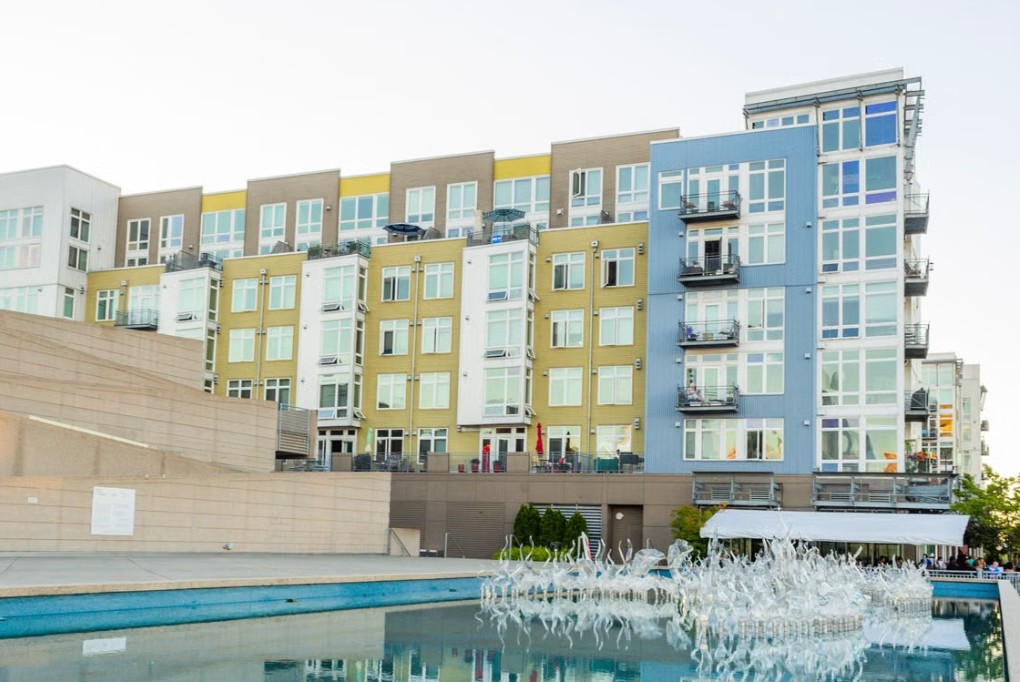
Homeowners’ and condominium owners’ associations exist for a simple reason: they ensure that shared residential spaces follow governance and community standards. These bodies act to simplify daily life for community members by maintaining common areas and shared amenities.
Sounds straightforward enough. But as an HOA or COA board member, you know that’s not always the case.
In the US, some neighborhoods are witness to arguments and conflicts about the payments charged by these governing bodies. Social media indicates that several residents find the charges are steep and unfair, or even discriminatory.
And yet, the real problem could lie elsewhere: most conflicts don’t arise due to money per se, but a dense mistrust around the payments.
Growing Reports of Conflicts Between Residents and Associations
Last year, the South Carolina Department of Consumer Affairs reported a 176% increase in HOA-related complaints between 2019 and 2025. That figure may seem steep, but it indicates an urgent need for action. Moreover, it is hardly an isolated, state-specific problem.
In 2025, the Progressive magazine reported that two longstanding HOA board officers in Florida allegedly used $339,000 of member-funded money for personal expenses. It also reported that an HOA bookkeeper in Pennsylvania scammed around $500,000 by issuing duplicate vendor payments.
In June this year, the city of Doral in Florida even approved an HOA-COA Fraud Detection Program to identify financial fraud within these associations. This pilot program was a response to continuous allegations of monetary misconduct.
So, what’s driving this unrest?
Residents Demand Equal Payments for Identical Units
One of the core sources of conflict is the perceived discrimination by residents who pay variable amounts for otherwise identical homes or condos. The frustration stems from witnessing others paying lower fees even when all criteria, such as residential floor area, are a perfect match.
It boils down to feeling tricked: why must anyone pay more or less when rules are supposed to be applied fairly?
A Reddit thread states that sometimes HOA dues may differ even within the same condo complex [r/RealEstate]. Some commenters highlight that the dues depend not only on the size but also on the percentage of ownership.
Either way, this feeling of unrest among residents is less about the extra money they must pay and more about a lack of transparency about the rules. Fair treatment only seems fair when everyone understands the benchmarks and how they will be applied.
To address these concerns, boards can incorporate technological solutions that enhance accuracy and efficiency. For instance, a COA calculator can estimate your accounting fees and reduce the possibility of human error.
Using software-based tools can be a reliable way to reassure residents that their due calculations are based on accurate financials and clear processes. As Ledgerly notes, this organized approach also helps boards achieve a fast turnaround for reports and monthly closings.
Further, as an HOA or COA member, you can:
- Let residents know about extra charges related to special-use features in their units, such as a balcony that other units don’t have.
- Inform residents about any jurisdictional rules that affect their specific dues.
Communicative and Responsive Boards Aren’t Optional
Conflicts tend to become aggravated when communication channels are lacking. This is also the situation with HOA-COA boards, some of which may be perceived by residents as evasive.
For instance, a resident who raises a grievance or query about their dues expects a timely response. Instead, if they don’t receive a proper answer or are handed out incomplete platitudes, the sentiment is bound to sour. The challenge worsens when board members unwittingly contradict their earlier statements, either due to a lack of organized records or inattention.
Some COAs may not have invested in historical auditing systems. This makes claims difficult to prove (or disprove). It also breeds mistrust.
The solution lies in maintaining a two-way communication channel with residents. Here, boards that fail to leverage technology for communication may be at a disadvantage. Residents who miss annual meetings may be left without a public channel for sharing their concerns. Findings from the 2026 survey by the Foundation for Community Association Research show a growing demand for hybrid meetings and remote participation.
Communication must be timely and attentive, ensuring that everyone understands technicalities in plain language. Hiding behind complex legalese during meetings and in emails is another key source of conflict and trust problems.
In fact, this lack of accountability and transparency shown by many boards prompted action in Florida back in 2024. HB 1203, signed by Gov. Ron DeSantis, mandated a 14-day advance notice of any scheduled meeting, along with its agenda.
“HOAs faced no form of accountability and that needed to change. We’re seeing harassment of homeowners. We’re seeing selective enforcement of bylaws and covenants.” – Juan Porras, Member, Florida House of Representatives.
The regulation also brought forth more interesting and conflict-abating measures, such as allowing homeowners time to address violations related to holiday decorations. Or even steps related to keeping a vegetable garden.
Here are some actionable pointers you should consider as an HOA-COA member:
- Schedule meetings to catch up with community members and hear their concerns.
- Adhere to strict timelines for responding to queries.
- Ensure that replies use direct language about primary facets of dues calculations, such as square footage and percentage of ownership.
FAQs
1. What should a board do if homeowners question their dues?
It is best to respond promptly and provide clear explanations. Boards should also share relevant documentation whenever possible. Maintaining open communication helps avoid misunderstandings. It demonstrates that fee calculations are based on standard rules, not arbitrary decisions.
2. How can HOA and COA boards build greater trust with residents?
As a board member, it is vital to remember that trust needs transparency, consistency, and responsiveness. HOA-COA boards can strengthen trust by sharing timely updates and holding regular meetings. They must explain any changes in dues without delay. Additionally, boards must also give residents opportunities to ask questions and share feedback.
3. Can technology help in reducing HOA and COA conflicts?
Yes, technology can help in several ways, from improving recordkeeping and financial reporting to simplifying communication. Boards can use digital tools to streamline accounting processes and provide residents with quicker access to information. These steps can reduce the likelihood of disputes caused by confusion or misinformation.
Homeowner Association Conflicts and Solutions: Overview
|
Conflict |
Solution |
|
Fee fairness in communities with identical units |
Provide residents with detailed breakup and information on dues calculations |
|
Communication issues increasing disputes |
Schedule periodic meetings and share timely updates |
|
Inability to participate in meetings and share grievances |
Facilitate tech support by organizing hybrid and remote meetings |
Paving the Way for Conflict-Free Community Living
A healthier, more balanced relationship between HOA-COAs and residents spells good news for everyone concerned. Board members needn’t spend all their time attending to complaints and queries, as residents will have answers and guidance well in advance. Adequate communication about dues and their calculations directly conveys to residents that things are above board and just.
The point of community living is experiencing the little joys of good neighborly relations. And the cost advantages of shared spaces and amenities. Conflict damages both, making it essential to manage it in time.