
5 Pest Challenges That Rural And Suburban Homeowners Face Most Often

A country or suburban life provides you with more space, less noise, and a greater touch with nature. But the same benefits may also cause your property to be more appealing to pests. Open fields, woodlands, gardens, and varying weather conditions provide the best environments where insects and rodents flourish all year round.
Initially, a small number of ants or the occasional bite of a mosquito might not be a significant issue. However, minor pest issues tend to become more significant when not addressed. Some pests can damage your home’s structure, while others contaminate food, spread bacteria, or make it difficult to enjoy your outdoor spaces.
Consequently, the initial step to protecting your home is to know which pests are the most prevalent and why they are so. This article examines five of the most common pest challenges that homeowners in rural and suburban settings encounter and how the issues can be dealt with successfully.
1. Rodents Looking for Shelter as Seasons Change
When temperatures start to fall, rodents instinctively seek warm, cozy space with consistent food and water. Homes in rural and suburban areas are particularly susceptible as they tend to be surrounded by fields, woodland, barns, or open spaces, which harbor high rodent populations.
To homeowners in communities such as Sergeant Bluff, seasonal rodent intrusion has been a long-term problem that cannot be solved by temporary solutions. As a result, investing in professional pest control in Sergeant Bluff can help identify entry points, remove active infestations, and implement long-term prevention strategies that reduce the likelihood of rodents returning.
Even a tiny opening surrounding utility lines, vents, or doors can be easily accessed. The mice and rats damage electrical wiring, insulation, and wood once inside and pollute food and storage space with droppings.
To reduce the risk:
- Seal cracks and openings around your home’s exterior
- Store food in tightly sealed containers
- Trim vegetation touching the house
- Clear up garages, sheds, and crawl spaces
Conducting regular inspections can help to spot holes before rodents can find a place to nest inside.
2. Mosquitoes Taking Over Outdoor Living Spaces
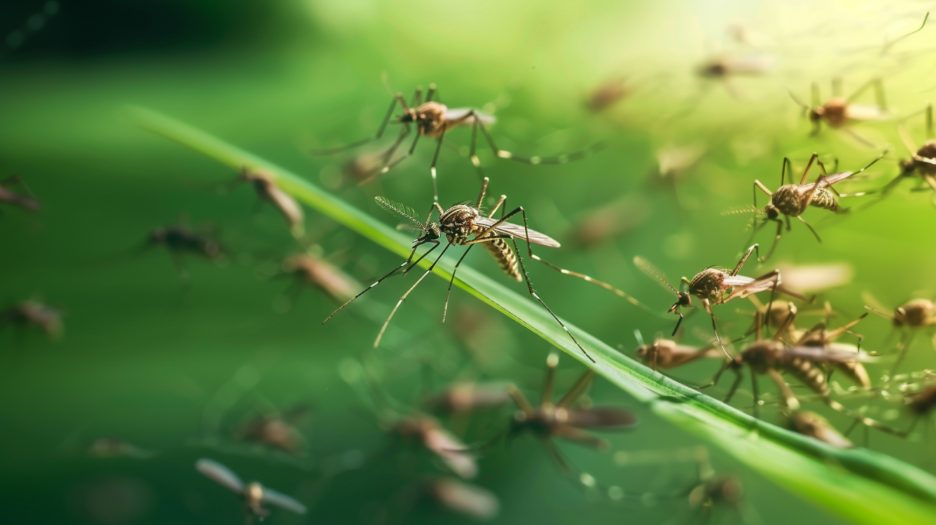
Backyards, patios, and gardens are meant to be enjoyed. However, unfortunately, standing water and thick vegetation can easily transform these areas into breeding grounds of mosquitoes.
Birdbaths, gutter blockages, flower pots, children’s toys, and containers that are not in use can hold sufficient amounts of water that can support the reproduction of mosquitoes. With growing populations, it becomes more and more uncomfortable to spend time outside.
Other than the nuisance, mosquitoes can also carry diseases, and therefore, prevention is a significant component of property maintenance.
Mosquitoes can be greatly curtailed by a few basic measures:
- Empty standing water every few days
- Keep gutters clean and draining properly
- Mow tall grass regularly
- Trim shrubs to improve airflow
- Maintain swimming pools and decorative ponds
When mosquito populations become difficult to manage, property-wide treatment programs that target breeding areas can provide longer-lasting control than relying solely on sprays or repellents.
3. Termites Damaging Your Home Without Warning
Termites are not easily spotted as many other pests found in homes before a lot of damage is done. Since they infest wood by boring holes inward, homeowners might not realize that there is an issue until floors become weak, doors become hard to close, or structural damage becomes visible.
Homes in rural and suburban areas often harbor environments that favor the growth of termites, such as piles of wood, tree stumps, mulch, and unnecessary moisture around the foundations.
Some warning signs include:
- Mud tubes along foundation walls
- Hollow-sounding wood
- Discarded wings near windows or doors
- Bubbling or damaged paint
- Sagging wooden structures
Early detection is crucial since termite colonies have a tendency to grow provided that there are food sources. Professional inspections are able to identify underlying activity prior to repair being much more costly.
4. Seasonal Insects Finding Their Way Indoors
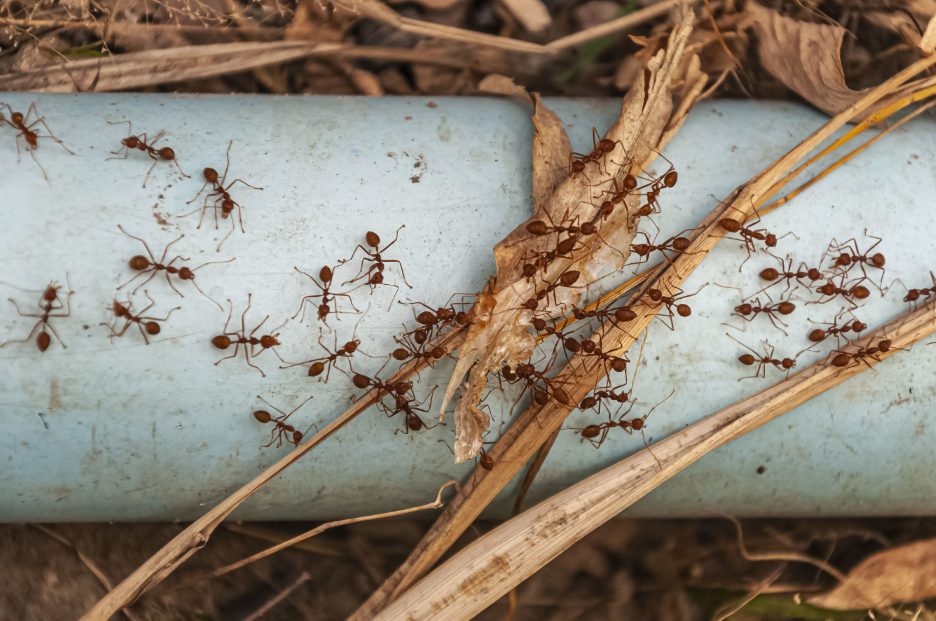
Many insects move indoors simply because they are searching for warmth, moisture, or shelter during seasonal weather changes. As temperatures fluctuate throughout the year, homeowners commonly notice ants, spiders, boxelder bugs, beetles, lady beetles, crickets, centipedes, and millipedes entering through tiny openings around the home.
Although many of these pests are more of a nuisance than a structural threat, their growing numbers can quickly become frustrating. In addition, seeing insects repeatedly often indicates that outdoor conditions are allowing populations to build close to the home.
Preventing these infestations starts with making your property less inviting.
Helpful preventive measures include:
- Seal gaps around windows and doors
- Replace damaged weather stripping
- Repair torn window screens
- Reduce excess moisture around the home’s foundation
- Keep firewood and stored materials away from exterior walls
- Remove leaf litter and debris that provide shelter
An exterior-focused prevention strategy can reduce pest activity before insects have an opportunity to enter your living spaces.
5. Hidden Moisture Problems That Attract Multiple Pests
Excess moisture attracts a variety of pests. Leaking pipes, poor drainage, clogged gutters, and damp crawl spaces create ideal conditions for insects and rodents to thrive.
For instance, termites are drawn to damp wood, while cockroaches and ants seek humid areas with reliable water sources. As a result, one moisture problem can lead to multiple pest issues.
To reduce the risk:
- Repair leaking pipes and faucets promptly
- Keep gutters and downspouts clear
- Improve drainage around your foundation
- Use dehumidifiers in damp areas
- Ensure crawl spaces have proper ventilation
Controlling moisture makes your home less inviting to pests while supporting long-term prevention and protecting your property.
Final Thoughts
Pest problems in rural and suburban neighborhoods rarely happen by chance. Instead, they develop because the surrounding environment naturally provides food, moisture, shelter, and easy access to homes.
Rodents, mosquitoes, termites, and seasonal insects each present unique challenges, but they all share one thing in common: early prevention is far more effective than reacting after an infestation has grown.
By maintaining your property, addressing small vulnerabilities promptly, and scheduling professional inspections when needed, you can reduce pest pressure throughout the year. Taking a proactive approach not only protects your home’s structure but also creates a healthier and more comfortable environment for your family.