
How Changing Your Air Filter Can Prevent Furnace Breakdowns
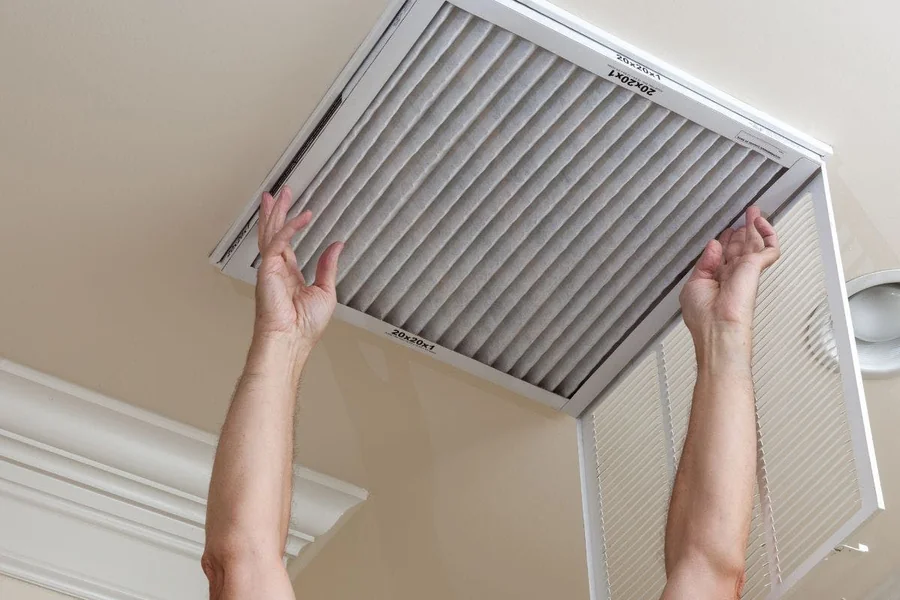
A furnace works quietly in the background, yet it is one of the most critical systems in a home, especially during colder months. Many homeowners focus on thermostats, fuel supply, or visible mechanical components while overlooking one of the simplest yet most influential elements of furnace health: the air filter. We will explore how a routine task like replacing an air filter can play a decisive role in preventing unexpected furnace breakdowns. This discussion connects everyday maintenance habits with long-term system reliability, energy efficiency, and indoor comfort. By understanding how airflow, heat exchange, and internal components interact, homeowners can reduce strain on their systems and avoid avoidable interruptions during peak heating seasons.
The Role of Air Filters in Furnace Longevity
-
Maintaining Proper Airflow to Reduce Mechanical Strain
Airflow is the foundation of furnace operation, and the air filter directly controls how freely air can move through the system. When a filter becomes clogged with dust, debris, and airborne particles, the furnace must work harder to pull air through the intake. This increased resistance places added strain on the blower motor, belts, and bearings, accelerating wear over time. Restricted airflow also disrupts the balance between air intake and heat output, which can cause uneven heating throughout the home. Over time, these conditions can lead to overheating, automatic shutdowns, or component failure. As emphasized by Classic Comfort LLC, changing the air filter regularly helps homeowners maintain steady airflow, allowing the furnace to operate within its intended parameters. This simple action reduces mechanical stress and supports smoother operation across heating cycles, contributing to fewer emergency repairs and longer system life.
-
Protecting Heat Exchange Components from Overheating
The heat exchanger is one of the most vital and sensitive parts of a furnace. Its job is to transfer heat from the combustion process to the air circulating through the home. When airflow is restricted due to a dirty filter, heat cannot disperse efficiently across the exchanger’s surface. This causes excessive heat buildup, which can trigger safety switches or lead to metal fatigue and cracking over time. Cracks in the heat exchanger are a serious issue, often resulting in system shutdowns and costly replacements. Regular filter changes allow cool air to flow evenly across the exchanger, preventing localized hot spots and reducing thermal stress. This protective effect helps the furnace maintain consistent performance while reducing the risk of damage that could otherwise lead to extended downtime during the coldest periods of the year.
Maintaining a consistent schedule for filter replacements is one of the simplest yet most effective ways to preserve your heating system’s longevity. When dust and debris accumulate, the resulting airflow restriction places undue stress on internal components, which can lead to overheating or mechanical failure. Homeowners who overlook this basic maintenance task often find themselves requiring professional furnace repair to resolve issues that could have been easily avoided. By ensuring the blower motor doesn’t have to work overtime to pull air through a clogged medium, you not only reduce the risk of a mid-winter breakdown but also improve the overall air quality and thermal consistency throughout your living space.
-
Improving System Efficiency and Reducing Short Cycling
A furnace that struggles to move air efficiently often compensates by cycling on and off more frequently, a pattern known as short cycling. This behavior increases wear on ignition components, control boards, and motors, and also increases energy consumption. Dirty air filters are a common contributor to this problem because restricted airflow interferes with temperature regulation and sensor readings. When filters are clean, the furnace can run longer, steadier cycles that align with the thermostat’s demands. This stability improves overall efficiency and reduces unnecessary starts and stops that shorten component lifespan. Homeowners who replace filters regularly often notice more consistent indoor temperatures and quieter operation. Over time, these benefits add up, lowering the likelihood of breakdowns caused by overstressed electrical and mechanical parts.
-
Supporting Cleaner Internal Components and System Balance
Air filters do more than protect indoor air quality; they also shield internal furnace components from contamination. Dust and debris that bypass a neglected filter can accumulate on blower blades, sensors, and control surfaces. This buildup throws off system balance, reduces responsiveness, and can interfere with accurate temperature readings. When sensors are coated with dust, the furnace may misinterpret conditions, operate inefficiently, or shut down unexpectedly.
Regular filter changes limit the amount of debris entering the system, keeping internal parts cleaner and more responsive. This cleanliness supports proper calibration and smoother communication between components, reducing the risk of faults that lead to breakdowns. Many service providers, including those referenced at classiccomforthvac.com, emphasize filter maintenance because it directly supports the internal harmony that modern furnaces rely on for dependable operation.
Beyond the immediate financial benefits of lower utility bills, keeping a clean air filter significantly alleviates the physical stress placed on your heating system’s blower motor. When airflow is unrestricted, the furnace can achieve the desired temperature through shorter, more efficient cycles rather than struggling against a wall of dust. Homeowners who Visit our Frankford location often find that prioritizing this simple task prevents the premature wear of expensive internal sensors and electrical components. By establishing a consistent schedule for filter inspection, you are effectively protecting your long-term investment and ensuring that your home remains a reliable sanctuary against the harsh winter elements.
-
Extending Service Life Through Preventive Maintenance Habits
Preventive maintenance is most effective when it combines professional inspections with consistent homeowner actions. Changing an air filter is one of the few maintenance tasks that homeowners can perform easily and affordably, yet its impact is substantial. A clean filter helps the furnace operate as designed, reducing cumulative stress that can shorten its service life. Over the years of operation, this reduced stress has translated into fewer major repairs and delayed replacement timelines. It also allows technicians to focus on fine-tuning performance rather than addressing damage caused by neglect. Establishing a routine filter-replacement schedule based on household conditions and usage creates a proactive approach to system care. This habit reinforces the furnace’s overall reliability and ensures that minor issues do not escalate into full system failures during periods of heavy demand.
Regularly replacing your furnace filter is a straightforward task that offers substantial rewards for your home’s comfort and your financial well-being. Beyond just protecting the mechanical integrity of your unit, maintaining a clean filter ensures that the entire hvac system operates with peak efficiency throughout the demanding winter months. This proactive approach prevents the blower motor from overworking, which helps to maintain consistent airflow and keeps energy bills from spiking unexpectedly. By staying diligent with this monthly check, you effectively mitigate the risk of premature component wear while also ensuring that the air circulating through your living spaces remains significantly cleaner and healthier for everyone inside.
Changing an air filter may seem like a minor task, but its influence on furnace performance and reliability is significant. By reducing mechanical strain and preventing overheating, regular filter replacement helps homeowners avoid many of the common causes of furnace breakdowns. Over time, this simple action contributes to steadier operation, lower repair risks, and a longer service life. For homeowners seeking dependable heating and fewer disruptions, consistent air filter maintenance remains one of the most practical and impactful steps they can take.
Beyond the immediate concerns of utility costs, an ignored filter poses a significant risk to the mechanical integrity of the blower motor and heat exchanger. As dust layers thicken, the resulting air resistance causes the unit to cycle more frequently, leading to the type of thermal stress that precedes a complete system failure. Local specialists providing furnace repair lake forest often observe that these avoidable strains are the leading cause of emergency calls during peak winter periods. By establishing a consistent replacement schedule, you effectively mitigate the risk of internal overheating and ensure that every component operates within its optimal parameters for years to turned.