
How to Spot Hidden Roof Leaks in Your Attic or Ceiling
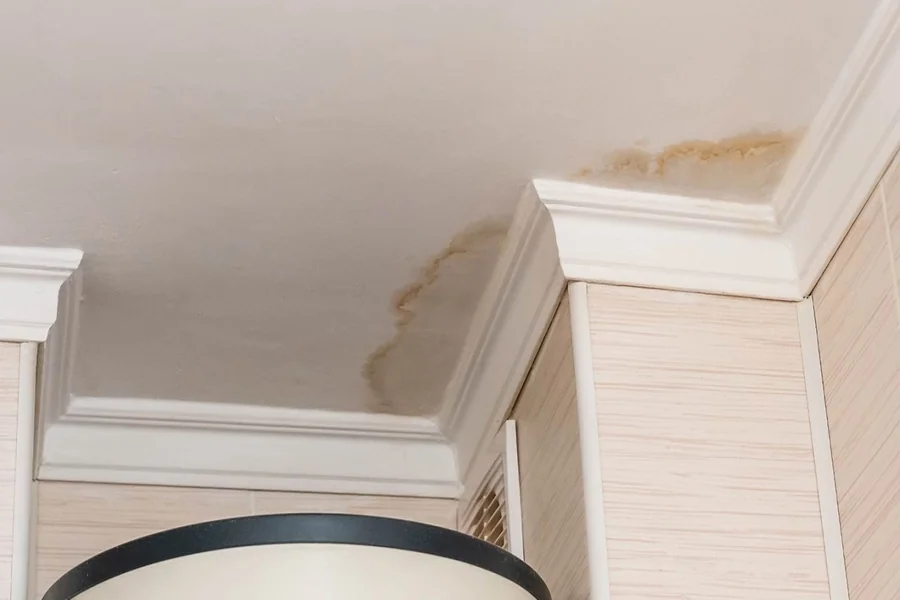
A roof leak rarely announces itself with a dramatic drip during a rainstorm. More often, it begins quietly, seeping into insulation, staining ceiling drywall, and weakening wooden framing long before visible damage appears. By the time water marks become obvious, moisture may have already compromised structural components or encouraged mold growth. Early detection protects not only the roofing system but also the attic ventilation, insulation efficiency, and interior finishes. We will explore practical, methodical ways to identify concealed roof leaks in attics and ceilings, so homeowners can intervene before minor moisture intrusion becomes widespread deterioration and costly repairs.
Key Indicators and Inspection Techniques for Detecting Concealed Roof Leaks
-
Inspect Attic Sheathing and Rafters for Discoloration and Warping
Roof leaks often leave subtle visual signatures on the underside of roof decking and structural members. Begin by entering the attic during daylight with a high-lumen flashlight. Look carefully at plywood or OSB sheathing for darkened patches, ring-shaped stains, or uneven coloration. Moisture intrusion tends to travel along rafters before dripping downward, so follow any suspicious marks along the wood grain. Warping, delamination, or a slightly spongy texture may indicate prolonged dampness.
Pay attention to nail tips protruding through the decking; if they appear rusted or surrounded by dark halos, condensation or leakage may be present. Wood that feels soft under light pressure can signal decay beginning beneath the surface. Even if active dripping is not visible, these material changes often reveal prior water entry points that require further tracing toward shingles, flashing, or roof penetrations above. If the source remains unclear or deterioration appears advanced, contacting a qualified residential roof repair team can help ensure the underlying issue is accurately identified and properly addressed before structural damage worsens.
-
Evaluate Insulation for Dampness, Compression, or Uneven Texture
Attic insulation frequently absorbs the first wave of water entering through a compromised roof. Fiberglass batts may appear flattened or clumped together, while blown-in cellulose can develop matted areas with darker coloration. Gently press sections of insulation to detect hidden moisture; damp insulation feels heavier and colder than surrounding dry material. Reduced loft or compressed sections can also signal repeated wetting and drying cycles. Beyond the immediate water damage, saturated insulation loses thermal performance, leading to higher energy consumption and inconsistent indoor temperatures. Check areas directly below roof valleys, chimney penetrations, and vent stacks, as these transitions are common entry points for water. If insulation appears unevenly distributed, it may have shifted due to previous leak events. Carefully removing small sections can reveal whether the roof decking beneath shows staining or fungal growth, helping pinpoint the direction of water flow.
Beyond simply catching drips with a bucket, addressing the underlying cause of a ceiling stain requires a methodical inspection of the roof’s exterior. High-wind events or aging materials can compromise even the most durable shingles, allowing moisture to seep into the wooden supports below. Seeking a professional roof repair largo ensures that these vulnerable points are sealed before structural decay or mold growth takes root in the attic. Taking these proactive steps provides peace of mind during heavy seasonal rains, as a well-maintained barrier is the most effective defense against the costly interior restoration projects often required after long-term, unaddressed water intrusion.
-
Look for Ceiling Stains, Bubbling Paint, and Hairline Cracks From Inside Living Spaces
Hidden roof leaks often manifest indoors before they are detected in the attic. Examine ceilings and upper walls for faint yellow or brown stains, particularly after heavy rainfall. These stains may expand slowly over time and sometimes dry out, creating the illusion that the problem has resolved. Bubbling or peeling paint, especially around light fixtures or ceiling fans, suggests trapped moisture behind drywall. Hairline cracks radiating outward from a central point can indicate repeated wetting and drying cycles that weaken joint compound. Use a moisture meter if available to measure drywall saturation levels in suspicious areas. Even if visible discoloration is minimal, a slightly sagging ceiling panel or subtle waviness along seams can reveal ongoing moisture infiltration that warrants immediate investigation above the ceiling cavity.
-
Examine Roof Penetrations, Flashing, and Vent Connections
Water intrusion frequently originates at transition points rather than open shingle fields. Inspect areas surrounding chimneys, skylights, plumbing vents, and attic exhaust fans. Flashing should lie flat and show no gaps, corrosion, or lifted edges. Sealant around vent boots must remain intact and flexible; cracked or brittle caulking can allow water to seep underneath. In the attic, look for daylight filtering through the seams near these penetrations, as even small openings can let in rain under wind-driven conditions. Pay attention to metal components with rust streaks or loose fasteners. Roof valleys, where two slopes intersect, also concentrate water flow and are prone to wear. Tracing staining patterns from the attic upward often leads directly to a flashing detail that requires resealing or adjustment before further damage occurs.
-
Monitor for Odors, Mold Growth, and Elevated Humidity Levels
Not all leaks produce immediate visual signs. Persistent musty odors in upper rooms or the attic may indicate hidden moisture. Mold colonies often develop on the underside of roof decking or along insulation surfaces when damp conditions persist. Look for black, gray, or green spotting along wood framing. Elevated attic humidity, particularly during cooler seasons, can indicate improper ventilation, compounded by minor leaks. Use a hygrometer to compare attic humidity with outdoor levels; significant discrepancies may suggest trapped moisture. Mold growth not only deteriorates building materials but also affects indoor air quality. Early identification of fungal activity can lead to quicker remediation and prevent structural decay from advancing unseen behind finished surfaces.
Hidden roof leaks are rarely dramatic at first; they are incremental, patient, and capable of undermining structural integrity over months or even years. Vigilant observation of attic sheathing, insulation, ceiling finishes, and roof penetrations provides early clues before widespread damage occurs. By recognizing moisture stains, warped wood, compromised flashing, and subtle indoor symptoms, homeowners can respond quickly and protect both their roofing system and interior living spaces. Consistent seasonal inspections and prompt corrective measures prevent minor infiltration from evolving into extensive repairs. Detecting concealed leaks demands attentiveness, but timely action preserves the durability, safety, and long-term performance of the entire home envelope.
Identifying a leak before it compromises the structural integrity of your home often requires a keen eye for subtle changes in the attic environment. Moisture frequently travels along rafters or beams, creating dark streaks or damp patches on the plywood decking that may not immediately result in an interior drip. For homeowners managing older properties or those exposed to harsh seasonal weather, keeping a close watch on these vulnerable areas is a vital part of long-term maintenance. Consulting with experts familiar with Roofing Albany can provide additional clarity when stains appear in complex intersections or around chimneys. Addressing these minor indicators early prevents wood rot and keeps repair costs manageable before a full replacement becomes necessary.