
7 Trends Driving Demand for Wholesale Packaging Bags for Clothes in 2026
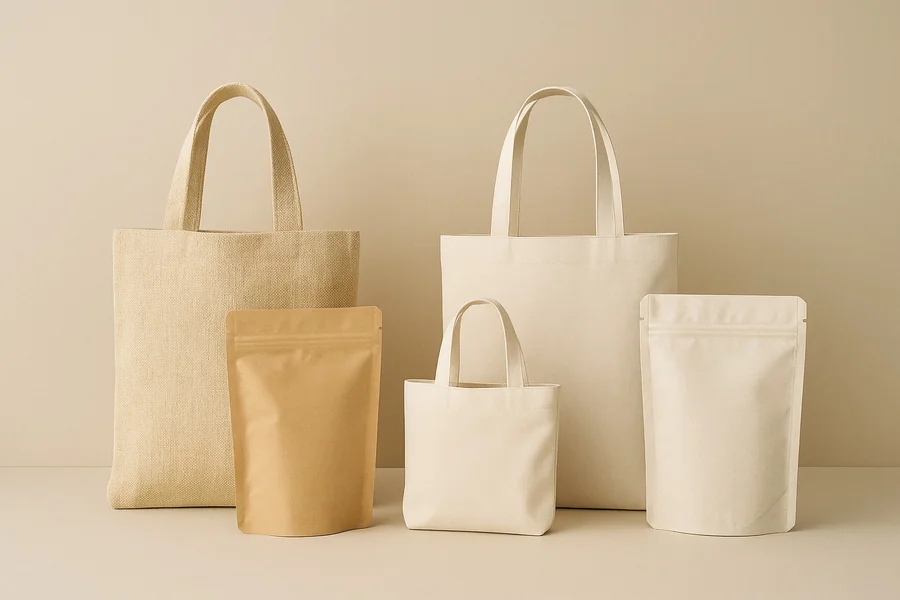
Apparel brands are rethinking packaging as a strategic component of both logistics and customer experience. Once viewed as a simple protective layer for garments, packaging now influences sustainability goals, brand perception, and operational efficiency. As retail shifts between physical stores, e-commerce, and hybrid models, demand patterns for wholesale packaging bags for clothes are evolving quickly.
In 2026, manufacturers and fashion businesses are aligning packaging choices with broader market forces. Below are seven key trends shaping demand across the apparel sector.
1. Sustainability as a Procurement Priority
Environmental accountability is no longer optional for apparel brands. Consumers increasingly evaluate packaging alongside product quality.
Wholesale packaging bags for clothes are now expected to offer:
- Recyclable materials
- Reduced plastic thickness without compromising durability
- Compostable alternatives where feasible
Global conversations around waste reduction, including initiatives highlighted by the United Nations Environment Programme, continue to influence brand commitments. As sustainability metrics become part of supplier evaluations, packaging providers must demonstrate material transparency.
Eco-conscious sourcing is moving from marketing message to operational requirement.
2. E-Commerce-Optimized Designs
Online apparel sales continue to shape packaging formats. Bags must withstand shipping while protecting garments from moisture and handling damage.
Brands now demand wholesale packaging bags for clothes that balance:
- Tear resistance
- Lightweight construction
- Compact storage efficiency
E-commerce-driven packaging often includes resealable features to accommodate returns, a growing segment of online retail logistics.
3. Branding and Custom Print Expansion
Packaging functions as a mobile advertisement. With social media-driven unboxing experiences influencing purchase behavior, visual design matters.
Wholesale packaging bags for clothes increasingly incorporate:
- Custom logos
- Branded typography
- Minimalist color schemes
Fashion brands treat packaging as an extension of identity, not merely a shipping necessity.
This shift drives demand for advanced printing capabilities within packaging manufacturing.
4. Transparency in Material Sourcing
Retailers are requesting clearer documentation regarding packaging material origins.
Procurement teams now evaluate:
- Supply chain traceability
- Certification documentation
- Material composition breakdowns
Wholesale packaging bags for clothes suppliers that provide verified sourcing data gain competitive advantage in compliance-driven markets.
Transparency strengthens retailer-supplier relationships.
5. Automation-Friendly Packaging Formats
As warehouses adopt automated sorting and fulfillment systems, packaging must align with mechanized handling requirements.
Bags designed for automation often feature:
- Consistent sizing
- Smooth sealing surfaces
- Barcode-friendly exterior materials
Apparel brands investing in automated distribution centers require packaging compatible with conveyor and scanning systems.
Automation readiness directly influences packaging selection.
6. Cost Stability Amid Material Volatility
Raw material pricing fluctuations impact procurement decisions. Apparel brands seek suppliers capable of maintaining stable pricing structures without sacrificing quality.
Wholesale packaging bags for clothes providers must balance:
- Material efficiency
- Long-term supplier contracts
- Operational scalability
Cost predictability supports retail margin planning, especially for high-volume clothing brands.
7. Multi-Channel Retail Adaptability
Many apparel companies now operate across brick-and-mortar stores, online marketplaces, and direct-to-consumer platforms simultaneously.
Packaging must serve multiple distribution environments while maintaining consistency in presentation.
Brands increasingly request wholesale packaging bags for clothes that:
- Transition easily between retail shelves and shipping cartons
- Maintain structural integrity under varying handling conditions
- Reflect unified brand aesthetics across channels
Flexibility across sales platforms is now a defining factor in packaging procurement.
Why These Trends Matter for Manufacturers
The evolution of apparel retail reshapes packaging requirements at every level—from raw material sourcing to fulfillment compatibility.
Manufacturers responding to these shifts prioritize:
- Sustainable material innovation
- Customization capabilities
- Automation compatibility
- Transparent documentation systems
Wholesale packaging bags for clothes suppliers that adapt to these expectations become long-term strategic partners for fashion brands.
Conclusion
In 2026, demand for wholesale packaging bags for clothes is driven by sustainability commitments, e-commerce growth, branding strategy, supply chain transparency, automation compatibility, cost management, and multi-channel adaptability.
As apparel companies refine operations and consumer engagement models, packaging remains central to both performance and perception. Manufacturers capable of aligning production with these seven trends will continue to meet the evolving needs of fashion and retail businesses worldwide.