
Reclaiming Green in the City: How Urban Living Is Redefining Personal Outdoor Space
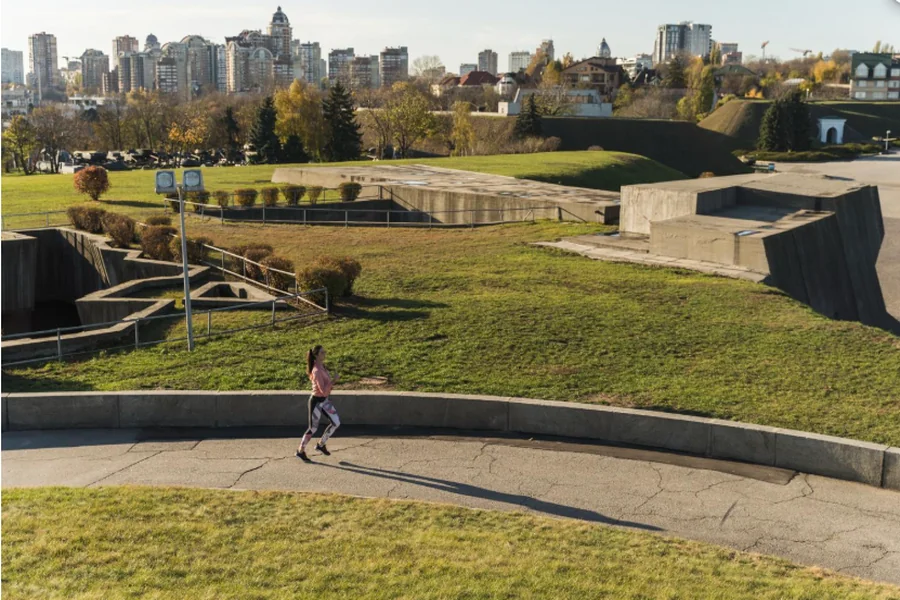
There was a time when cities were defined almost entirely by what they built over, concrete, steel, and density replacing whatever came before. Green space, where it existed, was often public and distant: parks you visited, not environments you lived within. But that distinction is beginning to blur.
Across cities of all sizes, a subtle shift is underway. People are reclaiming fragments of nature, reshaping balconies, rooftops, courtyards, and small backyards into intentional green spaces. These aren’t grand landscapes. They are measured, personal, and deeply reflective of the environments they inhabit. And in many ways, they represent a new chapter in how we understand urban life.
Why Lawns Are Making a Comeback
For years, lawns were seen as a suburban luxury, something impractical or even unnecessary in urban environments. But that perception is changing.
Today’s urban lawns are not about size; they are about intention. A modest lawn, thoughtfully designed, can anchor an outdoor space. It softens the environment, regulates temperature, and creates a visual and sensory contrast to the surrounding cityscape.
At the center of this shift is a renewed interest in foundational elements. Choosing the right grass seed is no longer a trivial decision. It’s a strategic one. Different environments demand different solutions, some grasses thrive in shade between buildings, others handle foot traffic in shared spaces, while some are selected specifically for their low maintenance requirements.
Urban lawn care begins at the source. The seed itself determines not only how the lawn will look, but how it will perform over time.
The Rise of Personal Green Space
Modern city living has always been about compromise. Space is limited, time is structured, and nature is often something you have to seek out. But increasingly, urban residents are choosing to bring nature closer instead.
This evolution aligns closely with the broader philosophy of Urban Living, where functionality and well-being intersect. As homes become more compact, outdoor areas, even the smallest ones, take on greater significance.
A small patch of grass, a carefully seeded lawn, or even a shared strip of greenery becomes more than decorative. It becomes restorative. A place to step away without leaving.
Designing Within Constraints
Urban environments are defined by constraints, limited sunlight, irregular soil conditions, and restricted space. But these limitations often lead to more thoughtful design.
Instead of expansive lawns, urban green spaces are layered. Grass becomes one element among many, integrated with planters, pathways, and seating areas. The result is a more dynamic environment, where every component serves a purpose.
In this context, the role of grass shifts. It is no longer just a backdrop but an active part of the design. The choice of grass seed influences how the space feels underfoot, how it responds to seasonal changes, and how much care it requires.
This level of intentionality reflects a broader trend in urban living, doing more with less, but doing it better.
The Emotional Value of Green Space
Beyond aesthetics and function, there is something less tangible but equally important: how green spaces make people feel.
In dense urban settings, even a small area of grass can have a disproportionate impact. It introduces softness into hard environments. It creates a sense of calm that is difficult to replicate with other materials.
Studies from organizations like the World Health Organization have consistently highlighted the mental health benefits of access to green space, even in limited forms. While large parks play a role, personal green spaces offer something different, immediacy and ownership.
You don’t have to travel to experience them. They are part of your daily environment.
Maintenance as a Mindful Practice
Caring for a lawn in the city is rarely about routine alone. It becomes a form of engagement with the space.
Unlike larger suburban lawns, where maintenance can feel like a chore, urban green spaces invite a more attentive approach. Watering, trimming, reseeding, these are small actions, but they create a rhythm.
Choosing high-quality grass seed contributes to this experience. When the foundation is right, maintenance becomes less about correction and more about preservation. The lawn responds predictably, allowing for a more consistent and manageable routine.
This shift from reactive to proactive care is one of the defining characteristics of modern urban lawn management.
Sustainability and Smarter Choices
As cities grow, so does awareness of environmental impact. Urban residents are increasingly mindful of how their choices affect not only their immediate surroundings but also the broader ecosystem.
This extends to lawn care. Water usage, soil health, and product selection all come into play. Selecting the appropriate grass seed is one of the most effective ways to support sustainability. The right variety requires fewer resources, adapts better to local conditions, and reduces the need for intervention.
In this way, small decisions scale. A single well-maintained lawn may seem insignificant, but collectively, these spaces contribute to healthier urban environments.
A New Definition of Urban Living
What’s emerging is a new understanding of what it means to live in a city. It’s no longer defined solely by proximity to work, culture, or infrastructure. It’s also about quality of life, how spaces are experienced on a daily basis.
Greenery plays a central role in this redefinition. It bridges the gap between the built environment and the natural world, creating spaces that feel more balanced and more human.
Urban lawns, in their modern form, are part of this evolution. They are smaller, more intentional, and more integrated into everyday life.
The return of green space to urban environments is not a trend in the traditional sense. It is a response, to density, to disconnection, and to the growing need for balance.
By rethinking how we use and care for even the smallest outdoor areas, urban residents are reshaping their environments in meaningful ways. From selecting the right grass seed to embracing the principles of Urban Living, each decision contributes to a larger transformation.
Cities may continue to grow upward and outward, but within them, these pockets of green are quietly expanding. Not in size, but in significance.