
Advancements in Industrial Label Printing: Technology, Applications, and Sustainability
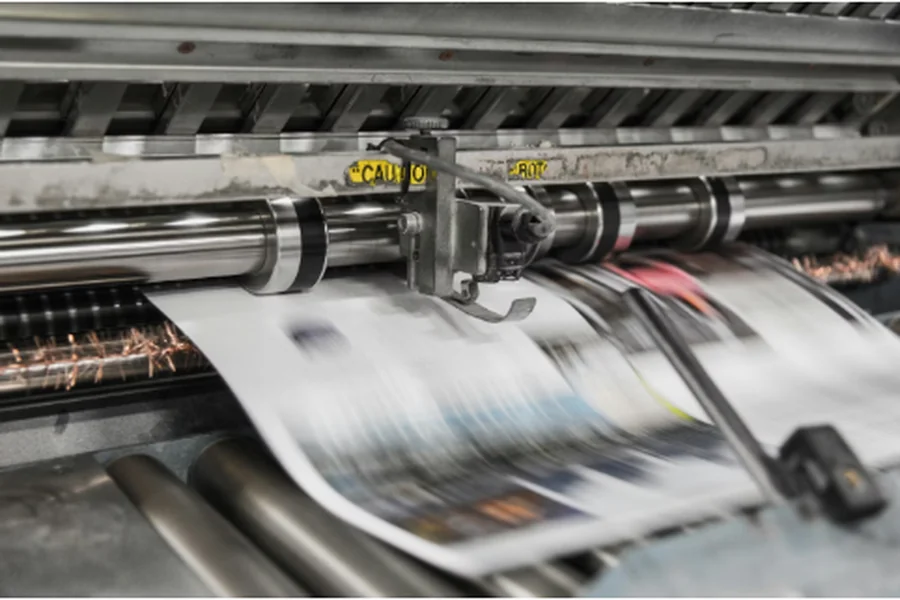
In modern industrial environments, efficiency, accuracy, and reliability are paramount. As operations grow increasingly complex, the need for precise identification and tracking systems has surged, positioning industrial label printers as vital tools across a broad range of sectors. Many businesses look to find industrial label printers on Konica Minolta to ensure they are investing in reliable and high-performance solutions. These printers streamline processes, enhance productivity, and ensure that critical information is consistently communicated, whether in manufacturing, logistics, healthcare, or other industrial settings. Understanding their capabilities and applications highlights the indispensable role they play in contemporary workflows.
Understanding Industrial Label Printers
Industrial label printers are specialised devices designed to produce durable and legible labels for a wide array of applications. Unlike standard office printers, they are built to withstand high-volume usage and harsh industrial conditions. Labels generated by these machines must remain intact and readable, even when exposed to moisture, extreme temperatures, chemicals, or abrasion.
The scope of their applications is extensive. In manufacturing, labels track parts and components, ensuring accurate assembly and inventory management. In logistics, they monitor shipments, facilitating the efficient flow of goods. Healthcare settings rely on precise labelling for patient records, medications, and laboratory samples, where errors can have serious consequences. Advanced providers of industrial printing technologies deliver solutions that meet these demanding requirements, offering reliability, efficiency, and compatibility with modern operational systems.
Printing Techniques and Core Features
Industrial label printers utilise a variety of printing techniques to meet diverse operational needs:
Thermal Printing: Thermal printers operate by applying heat to a specialised paper or ribbon to produce images. Known for their speed and durability, they are particularly effective for high-volume tasks and barcode production, where clarity and longevity are essential.
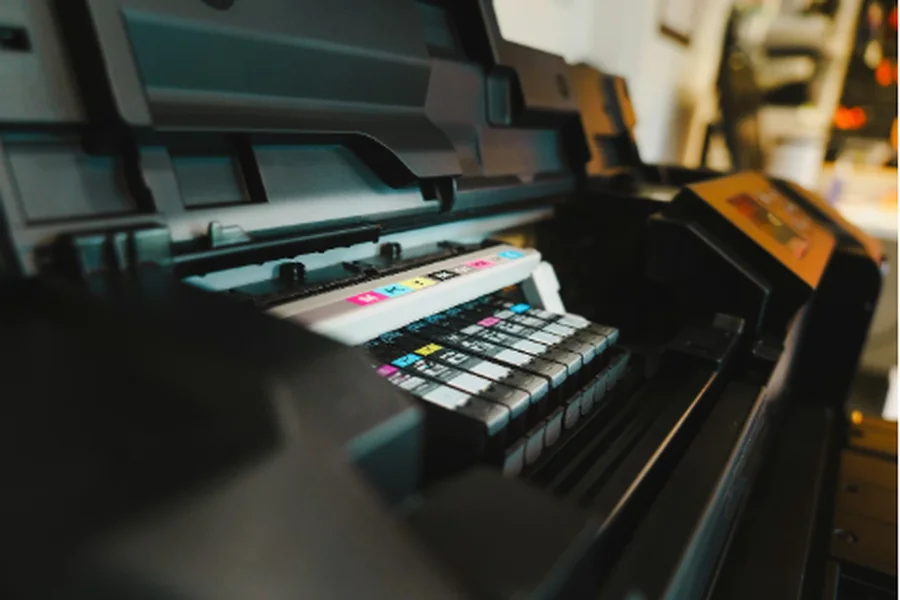
Inkjet Printing: Inkjet printers use controlled droplets of ink to create high-quality images and text on various surfaces. Their ability to produce vibrant, full-colour graphics makes them ideal for product packaging in the food, beverage, and cosmetics industries.
Laser Printing: Employing a laser beam and electrical charge to transfer toner onto labels, laser printing produces sharp, high-resolution outputs suitable for professional applications requiring fine detail.
Key features of industrial label printers ensure they meet the rigorous demands of industrial environments:
Durability: Labels must endure harsh conditions while maintaining adhesion and readability. Industrial printers are engineered to produce materials resistant to temperature fluctuations, moisture, and chemical exposure.
Speed and Efficiency: With the ability to process high volumes of labels rapidly, these printers maintain operational productivity and support tight production and shipping schedules.
Adaptability: Modern printers accommodate different label sizes, materials, and adhesive types, allowing for versatile application across industries with varying requirements.
Applications Across Industries
Industrial label printers are integral across a spectrum of sectors, each with specific operational demands:
Manufacturing: Labels track components, monitor production cycles, and provide essential safety and operational information. Accurate labelling ensures seamless inventory management, regulatory compliance, and efficient workflow.
Logistics and Distribution: In logistics, labels facilitate the accurate tracking of goods, enable efficient sorting, and ensure timely deliveries. They are essential in reducing errors and maintaining supply chain integrity, which directly impacts customer satisfaction.
Healthcare: Precise labelling in healthcare is critical. Industrial printers produce durable, accurate labels for medications, patient records, and laboratory samples. This precision is vital to patient safety, regulatory compliance, and operational efficiency within hospitals and laboratories.
Retail and Consumer Goods: Labels convey product information, pricing, and promotional details. Industrial printers provide consistency in branding and ensure that all products meet regulatory labelling standards, supporting consumer trust and operational compliance.
Technological Advancements and Environmental Considerations
The industrial printing sector continues to evolve through technological innovation and sustainability initiatives:
RFID Integration: Radio Frequency Identification (RFID) technology enables labels to store data readable without direct contact or line of sight. This enhances inventory management, security, and traceability, particularly in high-volume or sensitive environments.
Automation and System Integration: Industrial label printers increasingly integrate with production and warehouse management systems, reducing manual intervention, minimising human error, and streamlining operations. Automation allows for real-time monitoring and efficient workflow management.
Sustainability: Growing environmental awareness has led to the adoption of energy-efficient printers, recyclable label materials, and eco-friendly inks. These developments reduce waste and lower the carbon footprint of industrial operations while maintaining high performance and durability standards.
Selecting the right industrial label printer requires careful consideration of operational needs, label volumes, environmental conditions, and material compatibility. A well-chosen printer ensures efficiency, accuracy, and long-term reliability. Businesses that adopt advanced labelling solutions are better equipped to meet production demands, regulatory requirements, and supply chain challenges, maintaining competitiveness in rapidly changing markets.
As industrial operations advance, the importance of industrial label printers becomes increasingly evident. With ongoing innovations in printing technology, these devices are expected to offer enhanced precision, greater versatility, and improved sustainability. By embracing such solutions, industries can optimise workflows, reduce errors, and ensure the consistent delivery of high-quality, durable labelling across all sectors. Industrial label printers are no longer merely tools for identification—they are essential components of modern operational strategy, supporting efficiency and accuracy in every stage of production and distribution.