
Time Magazine Hitler and the Story Behind the 1938 Person of the Year
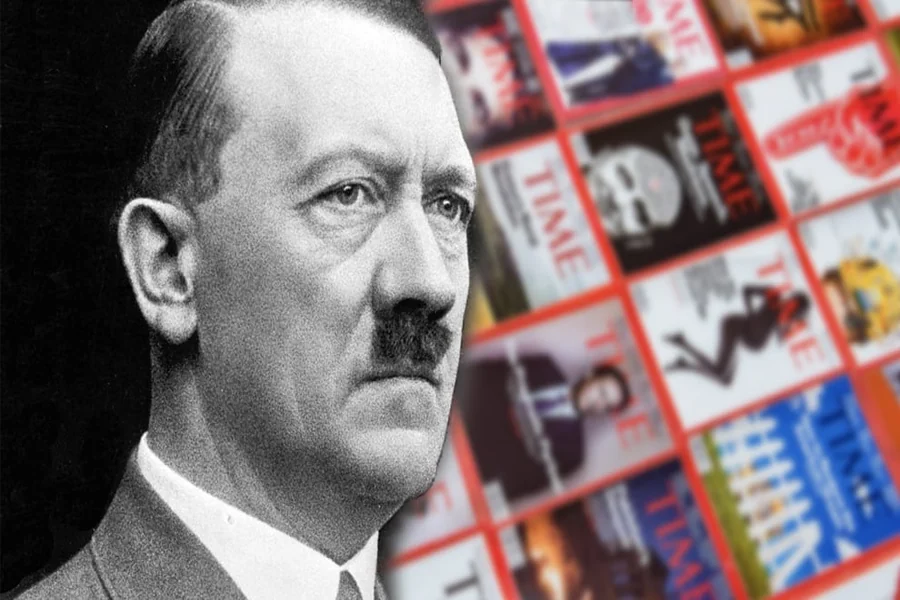
Time Magazine Hitler continues to elicit mixed emotions decades after the magazine put Adolf Hitler on its cover as its Person of the Year in 1938. Several individuals who initially read about the cover would think that the recognition was given as an accolade. In reality, the choice was based on an increasing influence of Hitler on world events in one of the most tragic eras of modern history.
The world was at that time witnessing Germany emerging under the leadership of the Nazi. The activities of Hitler had already transformed the politics of Europe, endangered the surrounding nations, and fueled the anxieties of another huge war. Time magazine decided who to pick in the list of figures based on impact and influence rather than based on morality or goodness. This difference is significant when speaking about the reasons why Hitler was on the cover.
The historical context of the decision could assist in understanding why the question is still disputable nowadays. It is customary to post the cover on the Internet without a description and create misunderstanding and controversy. Taking a closer look at the historical background, one can see the bigger picture of journalism, politics and the general image of the people in the late 1930s.
Why Time Magazine Chose Hitler in 1938
In 1927, Time magazine came up with the Man of the Year feature. This was to recognize the person who had most impact on the world events in that year rather than honoring the best person. At times the influence was good and at times very negative.
By 1938, Adolf Hitler was no longer to be swept under the carpet. That year Germany had earlier annexed Austria and this is referred to as the Anschluss. Hitler too was pressing demands to the Sudetenland territory of Czechoslovakia which resulted in the Munich Agreement. European leaders wanted to compromise in order to prevent another disastrous war, yet many were afraid that Hitler will not stop his ambitions.
By late 1938, Hitler had grown his influence. Europe was being transformed by his speeches, military buildup and his aggressive political actions. Time magazine felt that there was no other person who had made a greater impact on the world with what was happening in the year.
The article that was with the cover did not exalt Hitler as a hero. Rather, it was written about the fear and uncertainty that was going through Europe. The editors recognized the threatening path that Germany was heading towards under Nazi rule.
Nevertheless, the title Man of the Year is a positive term to most readers and hence the cover has been controversial since then. Readers looking for informative blogs often browse Voomixi Com.
The Meaning Behind the “Person of the Year” Title
It is one of the largest misconceptions surrounding the Time Magazine Hitler issue, which is caused by the lack of understanding of the meaning of the title. Many are the awards today that are linked to achievement or admiration. Nevertheless, Time was always chosen on the basis of influence.
The magazine has selected numerous controversial personalities in history. Involved leaders in wars, political crises and other big crises have also featured on the cover as they influenced events at a global level. The choice is not approving, it is influential.
As an illustration, the Soviet leader Joseph Stalin was on the cover a few times. Additional controversial political leaders were also chosen at the time when they had a profound impact on the world affairs.
At the time of Hitler being elected in 1938, Europe was on a crossroads. The ascension of Germany under Nazi leadership was influencing diplomacy, planning of wars, and fear among people in the continent. The editors did not think that his influence could be denied.
Sadly, the various brief posts on social media and the solitary pictures tend to eliminate this critical context. The cover is viewed by many without reading the explanation behind it. This led to the propagation of myths concerning the meaning of the selection.
Public Reaction Then and Now
Reactions of the people to the Time Magazine Hitler cover have varied in the decades. During 1938, there were more opinion divided than it is presently. Although it was clear to many that he was dangerous, some underestimated the danger that Germany was presenting to the world.
Some Americans did not want at the time to be involved in European conflicts. Diplomacy, other people thought, would avoid war. In 1938, the world did not fully learn about the magnitude of the Nazi crimes and the Holocaust.
Post-World War II the views shifted radically. The concentration camps, genocide, and destruction of the world showed the world the real picture of the Nazi brutality. In retrospect, this appearance of Hitler on the cover was much more disturbing to the subsequent generations.
The cover is often known to find its way into online arguments today. Other users erroneously provide it as an indication that Time magazine had supported Hitler. Historians, journalists, and other people make it clear on a regular basis that the feature of the magazine was not meant to be an endorsement.
Contemporary viewers have different responses as society is now more aware of propaganda, totalitarianism, and the threat of extremist movements. Contextual analysis is very important when one is trying to analyze works that were written in the past.
How Media Covers Controversial Figures
The Hitler issue of the Time Magazine also brings up greater issues regarding journalism and media accountability. In the context of reporting on dangerous or controversial persons, news organizations are usually at crossroads.
Neglect of the powerful leaders may result in the masses remaining ignorant. Meanwhile, widespread coverage can inadvertently create an awareness campaign on the side of bad individuals. Even nowadays, media can hardly balance this.
Controversial figures, businesspeople, and political movements are still put on the covers of magazines by news companies today. This is because, according to editors, the public would want to know who is influencing significant events, even when the person is highly criticized.
The distinction between coverage and support is crucial. Speaking about an individual does not necessarily imply acceptance of the actions he/she is doing. Criminal activity, political extremism and conflict are some of the issues that are very often recorded by journalists, as they impact the society.
Nevertheless, media presentation is important. Stories can be interpreted by the audience based on their headlines, images, and framing. That is why such historical covers as that of Hitler issue continue to create debate among readers, journalists and historians.
In the digital era, the discussion has gained even greater significance as pictures are disseminating at high speed without the explanations attached to them.
The Historical Importance of the 1938 Cover
The Time Magazine cover Hitler is a controversial yet historically significant one. It captivates a time when the world was on the brink of disaster.
Reflectively, historians identify 1938 as a pivotal year when the World War II had not yet gone into full swing. The expansion of Germany, the collapse of the appeasement policy and the growing tension in the international arena were all indications of war.
The cover is also remindful of the way influential leaders can rewrite the events in the world. The ascendancy of Hitler was not overnight. It evolved as a result of political instability, economic sufferings, nationalism and propaganda. Learning about this process can guide the historians to study the way authoritarian movements rise to power.
The cover has frequently been used by museums, teachers and historians researching history as a reference to media history and understanding of the era prior to World War II. It is now the subject of a bigger discussion regarding the response of societies to threatening political shifts.
To a great number of readers to-day, the value of the issue, which honors Hitler, is that it records the opinion of the world of him prior to the outbreak of the war in its full ruin.
Lessons Modern Readers Can Learn
The fact that people are still interested in Time Magazine Hitler demonstrates how readily history can be misinterpreted out of context. No one picture or headline can be an exhaustive story.
There are some crucial lessons that modern readers can gain out of the controversy. To begin with, historical events must be researched and not assessed by brief posts on social media or viral content on the Web. Context changes understanding.
Second, influence and admiration do not mean each other. Media houses tend to cover harmful persons since their activities do influence millions of people. Being covered is not synonymous with being supported.
Third, history teaches the lesson of the perils of extremist politics and unrestrained authoritarian authority. The emergence of Hitler transformed the world by bringing fear, propaganda and aggression. It is noteworthy that history is still relevant today.
Lastly, the discussion of the cover emphasizes the need of readers to cross-verify information not to accept simplified stories. In this fast-paced, online exchange age, this issue of historical literacy is more important than ever.
FAQs
Did Time magazine support Hitler?
No. Time magazine selected Hitler as the 1938 Man of the Year because of his influence on global events, not because the magazine supported his actions or ideology.
Why was Hitler chosen for Person of the Year?
He was chosen because his political and military actions had a massive impact on Europe and international affairs during 1938.
Was the title meant as an award?
No. The title recognized the person who most influenced the news and world events that year, whether positively or negatively.
Did other controversial figures appear on Time covers?
Yes. Time magazine has featured many controversial political leaders throughout history because of their influence on global events.
Why is the cover still controversial today?
Many people see the cover without understanding the historical context, leading to the mistaken belief that it celebrated Hitler.
Final Thought
The story behind Time Magazine Hitler is far more complex than many people realize. The 1938 cover was not created to praise Adolf Hitler but to recognize the enormous impact he had on world affairs during a dangerous period in history.
Understanding the difference between influence and admiration is essential when discussing historical media coverage. The controversy surrounding the issue continues because powerful images often outlive their original context.
Looking back today, the cover stands as a reminder of how rapidly political movements can shape the world and how important it is to study history carefully. Rather than viewing the issue as a celebration, historians generally see it as a historical snapshot of a world moving toward war and tragedy.