
How Growing Businesses Can Create More Welcoming Spaces for Customers
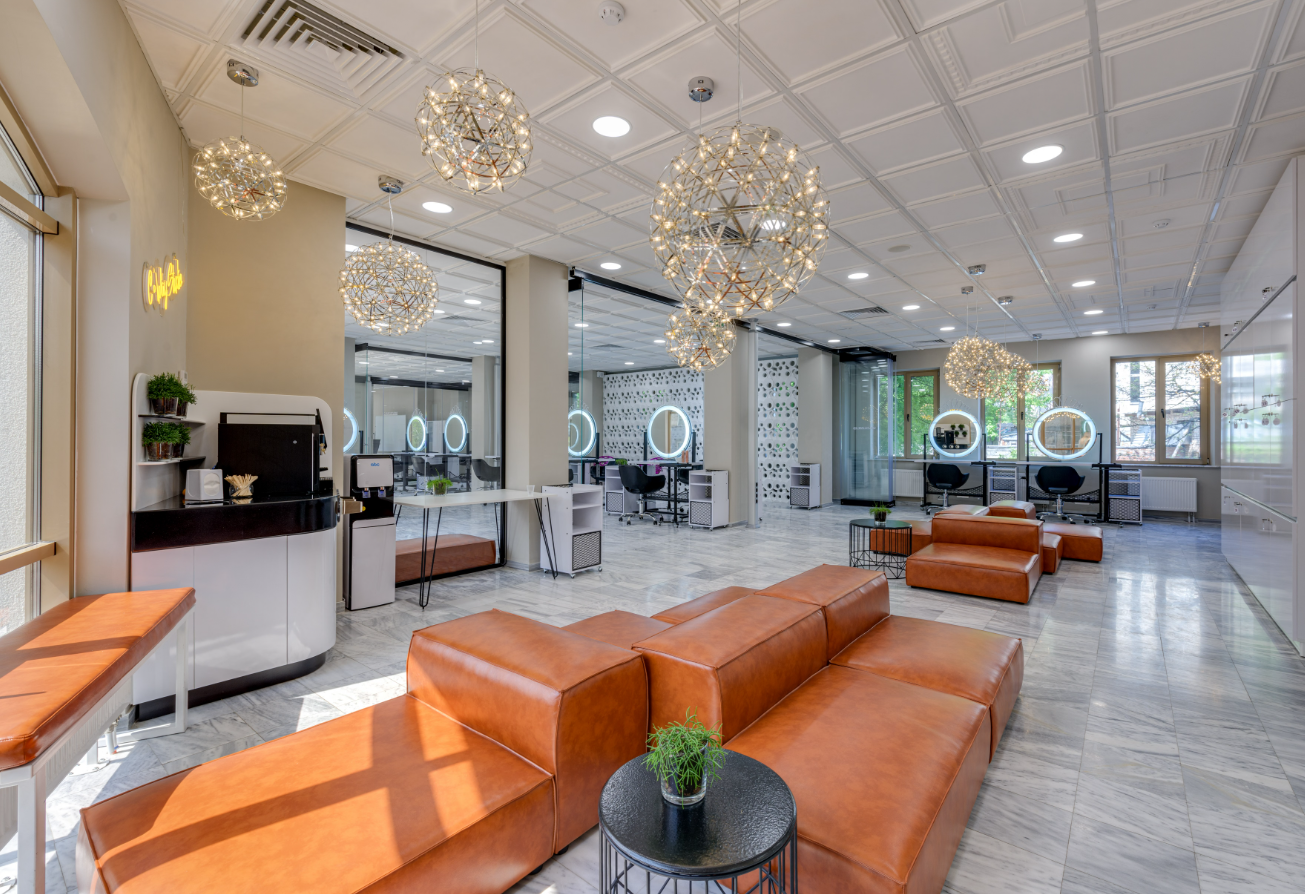
Customer expectations continue to rise as businesses compete to deliver memorable experiences at every touchpoint. A welcoming environment helps customers feel comfortable, valued, and more confident in choosing your business. Clean spaces, thoughtful layouts, and attentive service all contribute to stronger first impressions and lasting loyalty.
According to Business Wire, 79% of consumers say they would switch to a competitor after just one negative customer experience. It highlights how quickly businesses can lose customer trust.
Therefore, creating inviting spaces is no longer just about appearance but also about delivering a consistently positive experience. In this article, we’ll explore practical ways growing businesses can create more welcoming customer spaces that encourage satisfaction, repeat visits, and long-term success.
Design Spaces That Feel Comfortable and Easy to Navigate
Customer comfort begins with an environment that feels clean, organized, and easy to explore. Clear pathways, thoughtful layouts, proper lighting, and visible signage help visitors move through the space without confusion.
According to a study published in MDPI, a store’s layout and interior design play a significant role in shaping the customer experience. The research notes that cleanliness, appropriate lighting, background music, and a well-organized environment create a more enjoyable shopping experience.
It also found that attractive and organized spaces encourage impulse purchases, making customers more likely to buy items they had not originally planned. Businesses that invest in inviting, easy-to-navigate spaces can improve customer satisfaction while supporting stronger sales and long-term loyalty.
Prioritize Cleanliness as Part of the Customer Experience
A clean environment helps customers feel comfortable and confident in your business. Clean entrances, restrooms, waiting areas, and high-touch surfaces create a positive first impression while showing customers that their comfort and well-being matter.
This becomes even more important in busy urban areas. For example, CBC reports that growing concerns about human feces in Vancouver have prompted businesses to strengthen their cleaning efforts. Limited public washroom access has left sanitation gaps across the city.
As a result, many local businesses now offer customer washrooms, making regular cleaning essential. This has also increased the need for reliable janitorial supplies in Vancouver to keep customer spaces clean and welcoming.
Econo-Chem recommends using dependable disinfectants for high-touch surfaces and busy customer areas to maintain a clean, professional environment. The company also notes that air fresheners are a simple way to keep customer spaces fresh and inviting as part of a regular cleaning routine.
Businesses that consistently maintain clean, inviting spaces are better positioned to deliver positive customer experiences and encourage repeat visits.
Train Employees to Deliver Warm and Consistent Service
Employees shape customer perceptions through every greeting, conversation, and interaction. Consistent, friendly service helps customers feel valued while building trust in your brand. This requires more than occasional training sessions.
Leadership coach and management consultant Jeroen Kraaijenbrink explains that a strong learning culture develops when curiosity, connection, and purpose become part of everyday work. He emphasizes that learning should be continuous rather than limited to one-time workshops or initiatives.
Businesses that encourage ongoing coaching, knowledge sharing, and regular feedback help employees strengthen their communication and problem-solving skills over time. As a result, teams deliver more consistent customer experiences, respond confidently to changing needs, and contribute to stronger customer satisfaction and long-term business success.
Use Technology to Enhance Convenience
Technology makes everyday interactions faster, simpler, and more convenient for customers while improving overall service efficiency. Online booking, contactless payments, self-service kiosks, and digital queues reduce waiting times and give customers greater control over their experience.
The US Chamber of Commerce reports that 79.3% of consumers regularly use self-checkout, reflecting the growing preference for convenient technology. Among those surveyed, 70% choose self-checkout because it is faster. Additionally, 46% prefer bagging their own purchases, while 36% use self-checkout to avoid longer checkout lines.
These findings show that customers value convenience and flexibility when interacting with businesses. By combining digital solutions with attentive staff support, companies can deliver smoother experiences that improve customer satisfaction, encourage repeat visits, and strengthen long-term loyalty.
Gather Customer Feedback and Make Continuous Improvements
Listening to customers provides valuable insights that businesses cannot always identify through internal evaluations alone. Regular feedback helps uncover service gaps, improve physical spaces, and better understand changing customer expectations. Encourage customers to share their experiences through surveys, online reviews, suggestion boxes, or follow-up emails after their visit.
Carefully reviewing this feedback allows businesses to prioritize meaningful improvements instead of relying on assumptions. It also shows customers that their opinions are valued and can influence future decisions. Small adjustments, such as improving signage, reducing wait times, or enhancing customer service, often make a significant difference.
Businesses that continuously act on customer feedback create more welcoming environments, strengthen customer loyalty, and stay competitive in an evolving marketplace.
Deliver a Consistent Customer Experience Across Every Location
Customers expect the same level of service every time they visit your business, regardless of the location. Consistency builds trust and reinforces your brand’s reputation across every customer interaction. Standardized service procedures, cleanliness, signage, and employee training help deliver a reliable experience at every branch.
Regular audits and performance reviews ensure these standards are maintained over time. Technology also plays an important role by helping businesses monitor operations and share best practices across locations.
When every site reflects the same commitment to quality, customers know what to expect before they walk through the door. This familiarity encourages repeat visits, strengthens customer loyalty, and supports sustainable business growth.
Frequently Asked Questions
How often should businesses evaluate their customer spaces?
Businesses should evaluate their customer spaces at least quarterly and after major operational changes or customer feedback. Regular inspections help identify maintenance issues, improve cleanliness, and update layouts. They also ensure the environment continues to meet customer expectations while supporting a positive overall experience.
What common mistakes make commercial spaces feel unwelcoming?
Common mistakes include poor cleanliness, confusing layouts, inadequate lighting, cluttered spaces, unclear signage, and inconsistent customer service. These issues create frustration, reduce comfort, and leave a negative first impression, making customers less likely to return or recommend the business.
How can small businesses improve customer spaces on a limited budget?
Small businesses can improve Customer spaces by focusing on affordable changes such as better lighting, clear signage, regular cleaning, comfortable seating, and organized layouts. Small, consistent improvements create a welcoming environment without requiring a large investment or major renovations.
Customer Experience by the Numbers
| Consumers who switch after one negative experience | 79% of consumers say they would switch to a competitor after a single negative customer experience. |
| Self-checkout adoption | 79.3% of consumers regularly use self-checkout when shopping. |
| Reason for choosing self-checkout | 70% of shoppers prefer self-checkout because it is faster than staffed checkout lanes. |
| Preference for bagging purchases | 46% of consumers choose self-checkout because they prefer to bag their own items. |
| Avoiding long checkout lines | 36% of shoppers use self-checkout to reduce waiting time in checkout queues. |
| Store environment and purchasing | A clean, organized, and well-designed retail space enhances customer experience and encourages impulse purchases. |
Turning Customer Spaces Into Lasting Business Growth
Creating welcoming customer spaces is an ongoing commitment that extends beyond appearance. Every detail, from thoughtful layouts and consistent cleanliness to friendly service and convenient technology, shapes how customers perceive your business. Small, intentional improvements can significantly enhance comfort, satisfaction, and trust.
Equally important is listening to customer feedback and refining the experience as expectations evolve. Businesses that consistently prioritize the customer experience create environments where people feel valued and confident returning.
Over time, these positive experiences strengthen customer loyalty and generate valuable word-of-mouth referrals. They also help growing businesses build a lasting competitive advantage in an increasingly customer-focused marketplace.