
Reducing Workplace Injury Risk: A Practical Plan for High-Hazard Employers
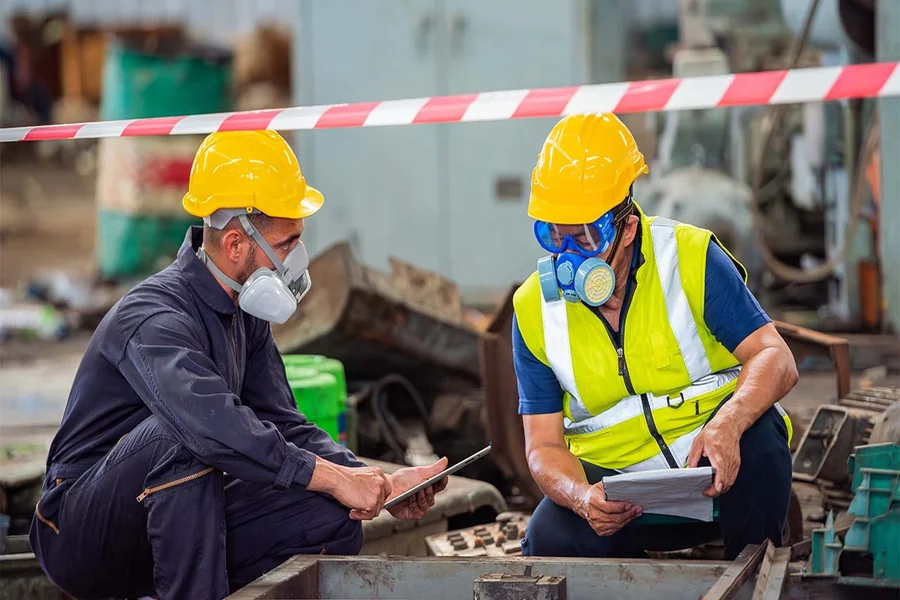
For employers in construction, manufacturing, transportation, warehousing, field services, and other high-hazard industries, workplace safety must be treated as an everyday operating priority. A thoughtful prevention strategy protects people, supports business continuity, and can improve decisions around wholesale workers’ comp insurance by giving leaders a clearer view of the risks their teams face.
Risk planning matters even when overall injury figures improve. Private industry employers reported 2.5 million nonfatal workplace injuries and illnesses during 2024, according to employer-reported workplace injury and illness data. One severe fall, vehicle collision, machinery incident, or repetitive-motion claim can still disrupt a small or midsize employer for months.
A strong program does not depend on a single annual meeting or a binder that stays on a shelf. It depends on repeatable actions: identifying hazards, giving workers practical training, responding quickly when something goes wrong, and adjusting procedures as work conditions change.
Why Risk Planning Matters
A high-risk workplace is one where employees regularly encounter conditions that can cause serious injury, such as heights, heavy equipment, moving vehicles, hazardous substances, or physically demanding tasks. Injury frequency matters, but severity matters too. A single serious claim may involve lost time, replacement staffing, delayed projects, reduced morale, and higher operating costs.
Prevention works best when leaders connect safety to the way work actually gets done. Staffing changes, new worksites, production pressure, weather, equipment upgrades, and subcontractor activity can all introduce risks that were not present during the prior review.
Common Hazards In High-Risk Workplaces
Physical And Environmental Hazards
Falls, struck-by incidents, crushing hazards, machinery contact, vehicle crashes, and roadway exposure remain major concerns across high-hazard operations. Employers should also assess heat and cold, noise, vibration, dust, fumes, chemical exposure, poor lighting, inadequate ventilation, and confined spaces.
Workforce And Operational Hazards
Risk also rises when new or temporary workers are assigned unfamiliar duties, when shifts are long enough to create fatigue, or when instructions are not understood. Rapid growth can make these problems worse if responsibilities, work procedures, and supervision do not grow with the business.
How To Build A Strong Safety Program
Start with a simple, job-specific process. OSHA describes safety programs as proactive systems built around core elements such as management leadership, worker participation, hazard identification, prevention and control, education, communication, evaluation, and improvement. These recommended safety management practices can help employers move from reacting to injuries toward preventing them.
- List the work activities. Identify major tasks, locations, tools, vehicles, and equipment.
- Rank hazards by consequence. Address risks that could cause death, permanent disability, or recurring injuries first.
- Choose effective controls. Use safer equipment, barriers, ventilation, maintenance, protective gear, and written procedures.
- Assign ownership. Specify who inspects equipment, delivers training, and resolves reported concerns.
- Review outcomes. Track inspections, near misses, injuries, corrective actions, and employee feedback.
Training Workers For Real-World Conditions
Training should fit the task, the person, and the setting. Provide instruction before a worker begins unfamiliar work, then verify understanding through demonstrations and supervised practice. Written materials can help, but hands-on instruction is often more useful for equipment operation, lifting, lockout procedures, fall protection, and emergency response.
Repeat training after a near miss, an incident, a job reassignment, or an equipment change. Deliver instructions in languages workers understand, and make it clear that employees may stop work and report a serious hazard without retaliation. Short toolbox talks can reinforce one practical point at a time.
Heat Safety As A Seasonal Focus
For outdoor and hot indoor work, plan for water, rest, shade, and acclimatization. Supervisors should closely watch employees who are new to hot conditions or returning after time away. Adjust schedules when conditions become dangerous, and train crews to recognize confusion, dizziness, nausea, unusual weakness, and other signs that require immediate attention.
Reporting Injuries And Keeping Clear Records
Employees should report an injury or near miss as soon as possible, even if it initially seems minor. Supervisors should document the date, time, location, task, equipment involved, witnesses, and observable facts. Avoid guessing about fault or medical outcomes. Prompt, accurate information supports care decisions, claim handling, and prevention efforts.
Near misses deserve attention because they reveal weaknesses before someone is hurt. Compare internal incident reports with required injury logs, review recurring patterns, and make sure corrective actions are documented. Incomplete records can make later investigations harder and may prevent the company from identifying repeat hazards.
Managing Claims After An Injury
When an injury occurs, respond calmly and consistently. First, arrange appropriate medical attention. Then report the incident through the proper internal and insurance channels, preserve photographs and relevant equipment records, collect witness statements, and maintain respectful contact with the injured employee. A no-blame review should focus on what happened, what controls failed, and what needs to change.
Creating A Practical Return-To-Work Plan
Modified work can support recovery while maintaining a connection between the employee and the workplace. Plan possible light-duty assignments before an injury occurs, use written restrictions from the treating provider, and match those restrictions to actual job tasks. Options may include shorter shifts, administrative duties, reduced lifting, added rest periods, or temporary reassignment away from driving, climbing, or machinery.
Handling Multistate And Mobile Workforces
Contractors, staffing firms, transportation companies, and other mobile employers should track where employees work and how payroll is allocated. Confirm job classifications reflect actual duties, keep subcontractor records and certificates current, and explain reporting procedures to traveling and temporary workers. Workers’ compensation requirements can differ by state, so employers should confirm current rules before making coverage decisions.
A 2026 Workplace Safety Checklist
- Review job classifications, new tasks, and new work locations.
- Confirm workers receive training before unfamiliar assignments.
- Document safety meetings, inspections, near misses, and corrective actions.
- Check emergency contacts, first-aid supplies, and heat procedures.
- Define modified-duty options and review required records.
- Evaluate subcontractor and temporary-worker safety procedures.
Conclusion
Workplace safety is built through small, consistent actions. Employers can reduce preventable injuries by identifying hazards early, training workers for real conditions, reporting incidents accurately, supporting recovery, and reviewing procedures often. A practical safety plan helps employees get home safely while giving the business a stronger foundation for the year ahead.