
A Closer Look at Laser Skin Tag Removal and What to Expect
Skin tags are common and usually harmless growths that can appear on different parts of the body. While they do not normally cause medical problems, some people choose to have them removed because they affect their appearance, catch on clothing, or become irritated through repeated rubbing. With improvements in cosmetic dermatology, laser treatment has become one option for people looking for a precise and convenient way to deal with unwanted skin tags. For those considering laser skin tag removal in Singapore, understanding how the procedure works and what to expect can make the decision easier.
What Are Skin Tags?
Skin tags, also called acrochordons, are small, soft growths that usually develop where skin rubs against skin or clothing. They are often found around the neck, underarms, eyelids, groin, and other areas where friction is common. Most skin tags are flesh-coloured or slightly darker than the surrounding skin and may be attached to the body by a narrow stalk.
Although skin tags are generally benign, they can sometimes become annoying. A skin tag around the neck, for example, may rub against a collar or jewellery. One under the arm may become irritated during movement or shaving. Others may simply make a person feel less comfortable with the appearance of their skin.
Skin tags are more common in adults and may be associated with factors such as genetics, friction, pregnancy, and certain health conditions. However, having a skin tag does not necessarily mean that a person has an underlying medical problem.
Why Consider Laser Treatment?
There are several ways a healthcare professional can remove a skin tag, depending on its size, location, and appearance. Traditional methods may include cutting, freezing, or using other techniques to destroy the growth. Laser treatment uses focused energy to target the unwanted tissue.
One of the main reasons people consider laser treatment is its ability to target a small area with a high level of precision. The surrounding skin can be carefully avoided while the treatment is directed at the skin tag itself. This can be particularly useful when treating small growths in visible areas.
Laser treatment may also offer a relatively quick procedure with limited disruption to everyday activities. However, the exact experience can vary depending on the number and location of the skin tags and the type of laser used.
What Happens During the Procedure?
Before treatment, a qualified medical professional should examine the skin tag. This initial assessment is important because not every skin growth should automatically be treated as a skin tag. If a growth looks unusual, changes in appearance, bleeds without a clear reason, or has other concerning features, a doctor may recommend further assessment before removal.
Once the growth has been confirmed as suitable for treatment, the area can be prepared. Depending on the location and treatment method, a local anaesthetic or another form of numbing may be used to make the procedure more comfortable.
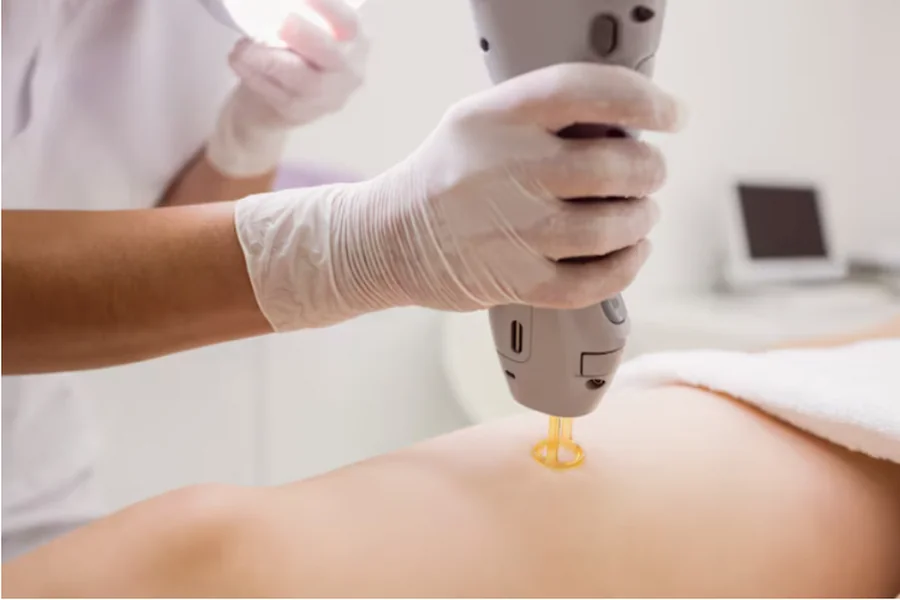
The laser device is then directed at the skin tag. The energy works on the targeted tissue, allowing the growth to be removed or damaged so that it can separate from the surrounding skin. The exact technique depends on the equipment and the professional performing the treatment.
The time required will depend on how many skin tags need to be treated. A small number of growths may be handled during a relatively short appointment, while multiple or larger skin tags may require more time.
The Importance of a Professional Assessment
A proper consultation is an important part of skin tag removal. Even though skin tags are usually harmless, other types of skin growth can sometimes look similar. Trying to remove an unidentified growth at home can therefore be risky.
A dermatologist or qualified medical professional can examine the growth and determine whether removal is appropriate. They can also discuss the location, size, number of growths, skin type, and expected healing process.
This assessment is especially important for people who have sensitive skin, a history of abnormal scarring, or concerns about pigmentation changes. A professional can explain whether laser treatment is suitable or whether another removal method would be more appropriate.
Benefits of Choosing Laser Skin Tag Removal
Laser treatment can be appealing because it allows the practitioner to focus on the specific area being treated. When performed correctly, this precision can help limit unnecessary damage to nearby skin.
Another advantage is that the procedure can often be completed relatively quickly. People who have busy work schedules may prefer a treatment that does not require a long recovery period. However, the amount of downtime still depends on the treatment area and how the individual’s skin responds.
Laser treatment can also be useful for visible areas where people are concerned about the appearance of the treated skin. A professional can adjust the treatment approach according to the location and characteristics of the skin tag.
It is important, however, not to assume that laser treatment will always leave no mark. Temporary redness, scabbing, or changes in skin colour can occur as the treated area heals.
Possible Side Effects and Risks
Like other cosmetic and dermatological procedures, laser skin tag removal can have side effects. Some people may experience redness, mild swelling, tenderness, or a small scab in the treated area. These effects are often temporary and normally improve as the skin heals.
Changes in pigmentation are another possible concern. The treated area may become lighter or darker than the surrounding skin, particularly in people who are more prone to pigmentation changes. The likelihood of this happening can depend on skin type, treatment settings, sun exposure, and individual healing.
There is also a risk of scarring, although careful treatment and appropriate aftercare can help reduce complications. A qualified professional should explain the possible risks before treatment and provide guidance based on the individual’s skin.
Preparing for Your Appointment
Good preparation can help make the treatment process smoother. Patients should follow the instructions provided by their clinic before the appointment. This may include keeping the treatment area clean and avoiding products that could irritate the skin.
Sun exposure is also worth considering because recently tanned or sun-damaged skin may have a higher risk of pigmentation problems after certain laser treatments. Patients should discuss recent sun exposure with their healthcare provider before treatment.
It is also important to tell the practitioner about medications, skincare products, previous cosmetic procedures, allergies, and any history of unusual scarring or pigmentation. This information can help the professional determine the safest approach.

Taking Care of the Skin After Treatment
After the procedure, the treated area needs time to heal. Patients should follow the aftercare instructions provided by their healthcare professional rather than picking, scratching, or removing any scab that develops.
Keeping the area clean can help support normal healing. Depending on the treatment, a healthcare provider may recommend a suitable ointment or skincare product. Strong exfoliants and irritating skincare products may need to be avoided until the area has recovered.
Sun protection is also important. Exposure to ultraviolet light can increase the risk of pigmentation changes while the skin is healing. Using suitable sunscreen and protecting the treated area from direct sunlight can therefore be helpful.
If the area becomes increasingly painful, develops significant swelling, produces discharge, or shows other signs of infection, medical advice should be sought.
Choosing the Right Clinic
The quality and safety of laser treatment depend greatly on the person performing the procedure and the equipment being used. Patients should look for a reputable clinic with qualified medical professionals who have experience with laser-based skin treatments.
During the consultation, patients should feel comfortable asking about the type of laser being used, expected results, possible side effects, aftercare, and whether the treatment is suitable for their skin. A responsible provider should explain both the benefits and limitations rather than promising perfect results.
Cost is another factor to consider, but it should not be the only consideration. Choosing a provider based solely on the lowest price may not be the best approach when a medical or cosmetic procedure is involved. Professional qualifications, treatment standards, hygiene, equipment, and follow-up support should all be considered.
Making an Informed Decision
Laser technology has provided another option for people who want to remove unwanted skin tags with a focused and relatively quick treatment. Its precision can make it suitable for certain growths, particularly when patients want to minimise disruption to the surrounding skin.
However, laser removal is not appropriate for every skin growth or every individual. A professional assessment should always come before treatment, especially if the growth has changed in size, colour, shape, or behaviour.
For anyone considering skin tag removal, understanding the procedure, possible risks, preparation, and aftercare can help set realistic expectations. With proper assessment and treatment from a qualified professional, laser technology can be a practical option for managing suitable skin tags while keeping the process as straightforward as possible.