
What Makes a Hand Soap Suitable for Everyday Use?
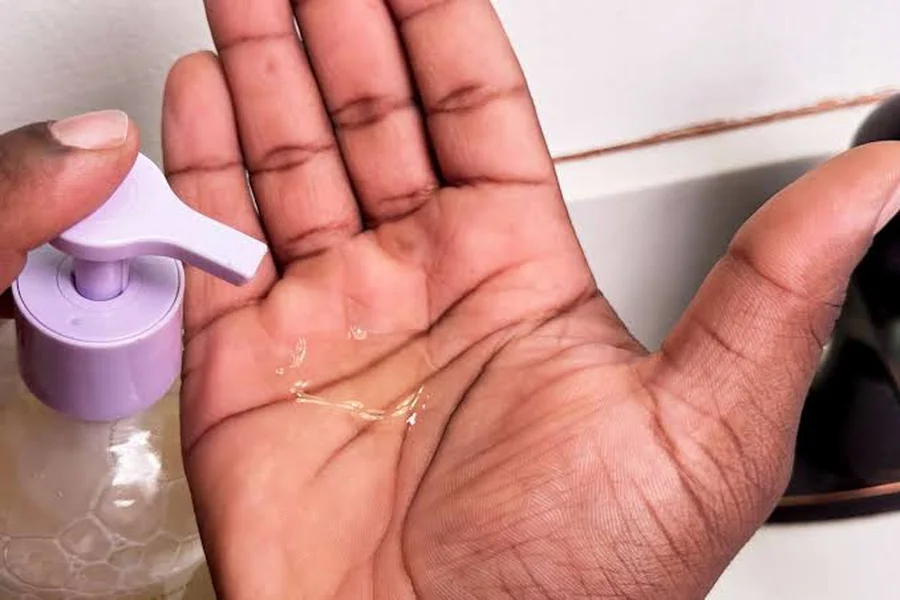
Even such a casual product as good hand soap needs some attention from the consumer when choosing it for daily use. Soap is an indispensable helper in maintaining hygiene, and its quality matters more than you expect. Here, we have some useful information to share with you about the types, the effects, and the principles of the right choice for a hand soap. Let’s consider it.
A Product We Use More Often Than We Think
Although the market is overcrowded with various skin care products, soap remains the most popular and sought-after bath & body product. This is reasonable because of the following:
Soap is one of the most versatile products. You can use various types of soap for hand washing, body cleansing, children’s bathing, housecleaning, laundry washing, disinfection, etc.
At once, soap is an effective product for grease and dirt removal.
Being the most accessible and affordable, common soap is a must-have for every household.
Lastly, soaps are diverse in their form, effects, and formulas, which makes the individual choice of them easier.
Cleansing Without Making Hands Feel Stripped
The primary purpose of a hand soap is cleansing the skin of dust, dirt, sebum, and bacteria. However, have you ever felt that your hands are stripped after washing them? The secret is that various soap types have different pH levels, and it is necessary to keep the balance when using them. The best idea is to check whether a chosen soap has a pH level similar to natural skin pH, which is approximately between 4,7 and 5.75.
Besides, if you use hand soap too frequently due to your needs, it is better to add one more skincare routine and apply a moisturizing cream or lotion to the skin after washing hands.
Formula, Fragrance and Format
The next step in choosing an effective yet pleasing hand soap is deciding on its format and fragrance. Bar soaps are more economical, but liquid soaps are often more convenient for daily use, although they require more water to wash the foam out. As for the fragrance, it’s up to your taste. Some love natural floral fragrances or rich perfumed compositions, while others prefer almost fragrance-free options. However, the fragrance should create harmony with other perfumed products you use, and for kids and people with allergies or hypersensitivity, it is better to avoid strong fragrances.
One more critical feature of a good soap is its formula. Typically, a hand soap contains surfactants, but they can be either synthetic or natural saponified fats. Additionally, it should contain moisturizers like glycerin or hyaluronic acid, fragrances (essential oils), herbal extracts, and natural oils working as softeners (i.e., olive oil, argan oil, or almond oil). The more natural components, the better for your skin.
Different Sinks, Different Priorities
Besides the formula and fragrance, the purpose of a soap also varies, so the product choice should be made based on your priorities. For your bathroom rituals, a delicate hand soap with softening or moisturizing effects is great. For a guest bathroom, it is better to use liquid soap with mild fragrances (as usual, with a convenient dispenser), and for kitchen work, it is better to have a good disinfecting soap that can cope with grease, oil, scents of raw fish or meat and kill bacteria effectively.
The Everyday Test for a Better Choice
What makes a soap a truly good hand soap? It’s your personal choice, first of all. When choosing a product for hand washing, you can decide whether a bar soap is better for you or you’d prefer liquid soap with a dispenser bottle. Which effect do you need most: bacteria killing, delicate cleansing, or moisturizing? Then, the aroma and the formulation are up to your discretion. The best idea is to use soaps with added natural oils and proteins, and for sensitive skin, it is better to avoid harsh detergents and intense fragrances.
With all these factors of choice, buying a good hand soap becomes as easy as eating pears.