
Why Are More Adventure Seekers Choosing Smaller 4x4s Over Larger SUVs?
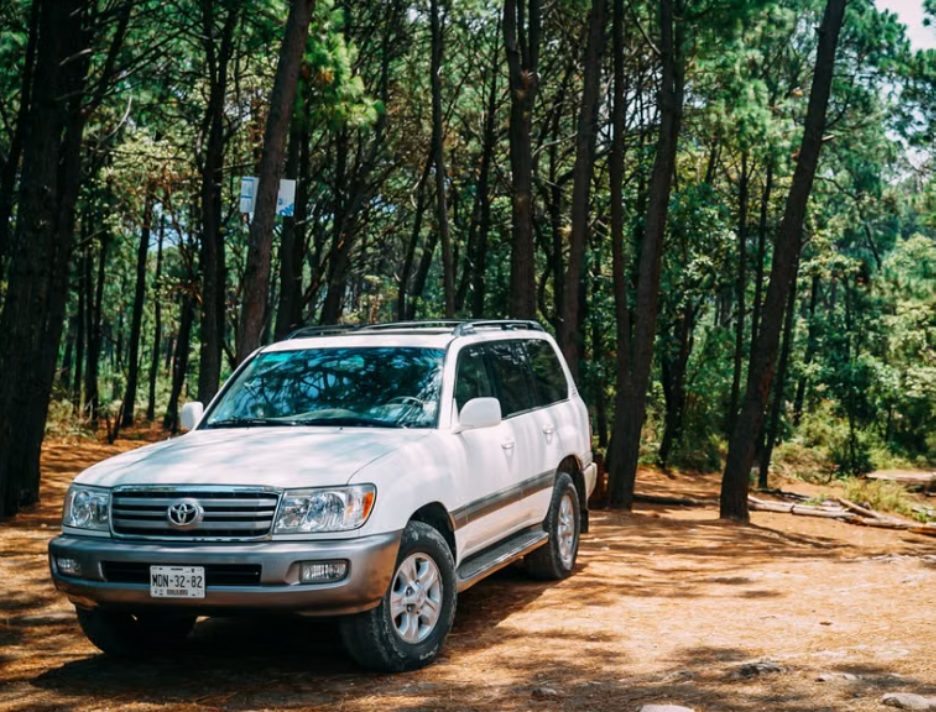
For a long time, a bigger vehicle was the default choice for adventure travel — more cabin space, more cargo room, more capacity for whatever a trip might require. Lately, though, more adventure seekers are going the other way, choosing smaller 4x4s over larger SUVs for the outdoor trips they take most often.
The appeal comes from how a compact footprint fits narrow routes, tight parking, and small campsites, while roof storage and activity-specific accessories add useful carrying capacity. This combination can give you a practical setup for adventures where maximum vehicle size is not always the main priority.
Several practical factors help explain why a smaller 4×4 can make sense for adventure travel. Here are some of the factors behind that growing appeal.
1. Exterior Storage Adds Carrying Capacity
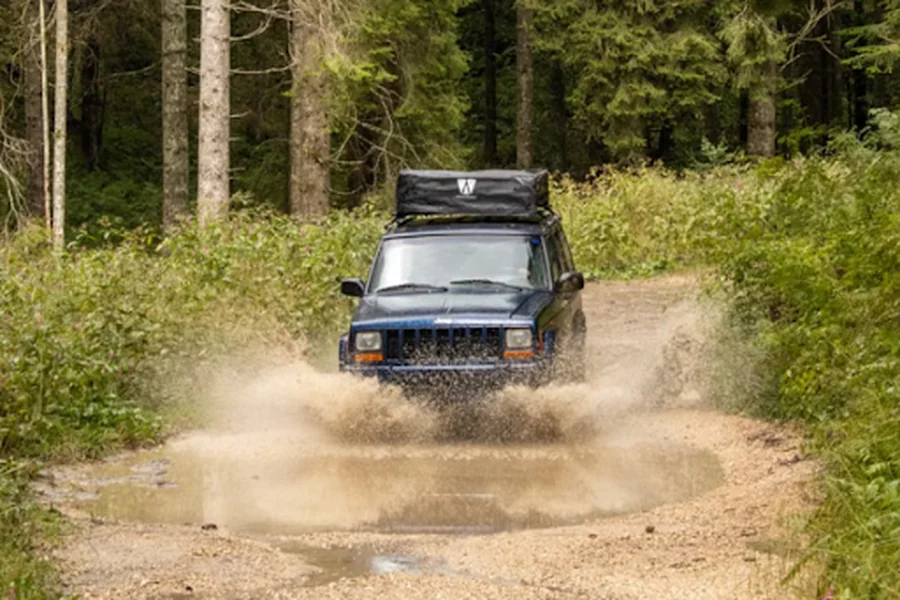
Bikes, kayaks, surfboards, and camping equipment can occupy considerable room inside a vehicle. Exterior storage offers another way to carry large items while keeping the cabin available for passengers and smaller belongings.
The Suzuki Jimny offers one example of a compact 4×4 built for an adventure-focused lifestyle. A Suzuki Jimny roof rack adds carrying capacity for bikes, boards, or camping gear, supporting a setup that lets you carry larger items without adding to the cabin load.
Larger SUVs may offer more built-in cargo room from the factory, but roof-mounted storage gives a compact 4×4 another practical option for bulky equipment. That added flexibility can be useful when your adventure activities call for items that take up considerable cabin space.
2. Compact Size Fits Narrow Routes
Small access roads, wooded paths and tight tracks may leave little space around your car. A small body size gives you fewer dimensions to deal with, and this can be beneficial on tight or technical off-road trails where precision positioning is essential.
This size benefit comes into play in cases where your typical adventures involve narrow trailways or limited trail access.
The routes that you normally use should thus be considered when it comes to the size of the vehicle. When you are driving on narrow tracks constantly, then a small 4×4 might be a better fit for your lifestyle.
3. Easier Access at Campsites
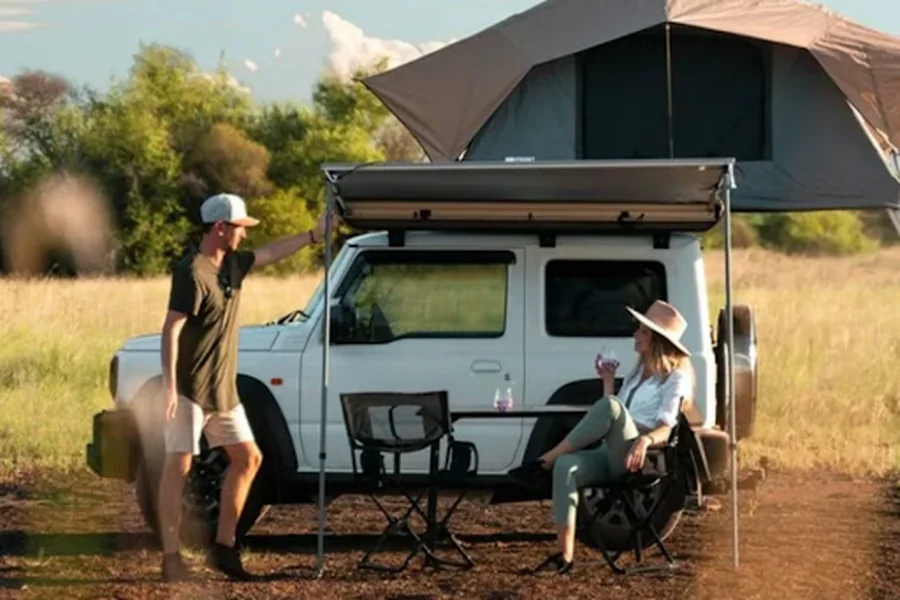
When you arrive at your destination, the size of your vehicle may influence the amount of space that you will be able to use around your campsite. A small 4×4 can be placed in smaller parking spaces and campsite configurations, making it easier to park.
A smaller footprint also enables more space to be left around the vehicle to set up chairs, cooking equipment, tents, and other camping materials. Bigger SUVs might be useful in large campsites, and their size might require more space to park and set up.
Before traveling, it is worthwhile to check campsite layouts and parking spots to determine the size of your vehicle in relation to the destination. That convenient fit can be a significant consideration when planning regular camping trips.
4. Accessories Adapt to Your Activities
Your outdoor interests may change from one trip to another. Cycling, water sports, camping, and off-road travel can each call for different equipment, and a range of accessories lets you adapt your vehicle around those activities.
Bike carriers, kayak and paddleboard carriers, surfboard carriers, jerry can holders, and shovel or paddle mounts each serve a different purpose. You can select the equipment that fits the activity planned for a particular trip.
Activity-specific accessories can give a smaller 4×4 useful flexibility across different outdoor pursuits. One compact vehicle can support cycling on one trip, water activities on another, and camping on the next with the right setup.
5. Moderate Capacity Fits Short Trips
A day outing or a weekend outing usually has different needs than a long family road trip. Clothing, food, personal bags, camping items and equipment for a single main outdoor activity can be included in your list, resulting in a more specific load.
This kind of trip suits a smaller 4×4 well. Its size is enough to carry everything a short outing calls for, and the more compact cabin means less unused space rattling around on the drive, less vehicle to maneuver at the destination, and a setup that stays easy to load and unload trip after trip.
For adventure seekers whose trips are usually short and focused, that’s the appeal: a vehicle sized to match the trip rather than one built for more than the trip actually needs.
6. Efficient Packing Makes Space Work
A compact vehicle makes every part of your packing plan count. Frequently used belongings can stay within easy reach, while less-used items can be arranged around the available cabin and storage areas.
This approach gives each item a planned place before you set off. You can also keep the cabin organized by deciding which belongings belong inside and which items are better suited to exterior storage.
A larger SUV provides more room to spread belongings across the cabin, while a smaller 4×4 can suit a more focused packing system. For adventure seekers who prefer an organized setup, that approach can become a natural part of the travel style.
Bottom Line
Smaller 4x4s can appeal to adventure seekers for several practical reasons. Their compact footprint can suit narrow routes, technical terrain, trailhead parking, and campsites, while roof storage and activity-specific accessories add flexibility for bikes, kayaks, boards, and camping equipment.
Larger SUVs remain useful for bigger groups, longer journeys, and heavier loads, with greater passenger and cargo capacity when an adventure calls for extra room. Your usual travel style, group size, and equipment needs can help determine whether a compact 4×4 fits the way you like to explore.