
Central AC vs. Ductless Mini-Split Systems: Which Is Better for Your Home?
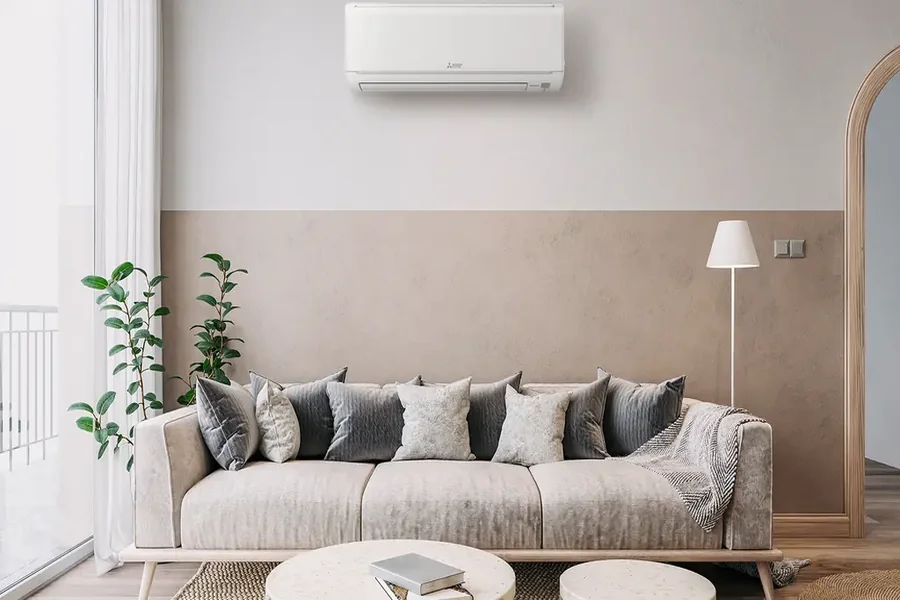
Homeowners are expected to make a lot of decisions, and choosing the right cooling system is one of them. It sounds pretty straightforward, after all, the choice basically comes down to central air conditioning vs. ductless mini-split systems.
But the truth is that many are starting to rethink traditional central AC systems. Rising electricity costs and newer high-efficiency HVAC technology have pushed many people toward ductless mini-splits instead. In fact, the global ductless mini-split market, valued at $19.40 billion in 2026, is expected to hit $34.42 billion by 2033.
But that it’s popular doesn’t mean it’s right for you. So, which of these systems actually makes more sense for your home? Let’s find out.
What Is a Ductless Mini-Split System?
Just from the name, you can tell at once that this is an air conditioning system without the ductwork. You have an outdoor compressor linked to small “heads” mounted on the walls of specific rooms. No giant unit hidden in a closet anywhere. And because it’s ductless, there’s no air loss through leaks in the attic or crawlspace.
Mini-split systems make sense for older Victoria-type homes or new additions. These structures typically don’t have ductwork.
The best part? Zone-based cooling. If you want your bedroom to be like a fridge but your living room at a cozy 72 degrees, you can do that.
Efficiency is also a really big selling point. In fact, the U.S. Department of Energy states that high-efficiency mini-split units can reduce cooling costs by up to 30%.
You can visit https://www.prideac.com/ductless-mini-split to better understand the benefits of ductless mini-split systems and why people are increasingly choosing them.
What Is a Central AC System?
Central air conditioning is the classic setup many people, especially millennials, grew up with.
It is one unit, usually located in a central location, and pushes cooled air through a network of ducts and vents spread throughout the home. One thermostat controls everything. Every room gets cooled at the same time.
Central AC is best suited for large homes, houses that already have ductwork in place, and anyone who just wants whole-home cooling without overthinking it. The system stays hidden behind walls and ceilings, which a lot of homeowners appreciate from a design standpoint.
It’s also a familiar technology. In fact, a recent survey of about 103 million homes across the mainland United States revealed that 31% of homes use central air conditioning.
Key Differences Between Central AC and Mini-Split
Let’s break down the different factors that will help you decide between ductless mini-splits vs. central AC for your home.
Energy Efficiency
Ductless mini-splits are known to be more energy efficient. Because cooled air is delivered directly into a room without traveling through ducts, there’s zero duct loss.
Some of these systems also use inverter technology, which adjusts output continuously instead of constantly switching off and on like the older systems.
Maintaining ideal performance in these modern units involves monitoring all active mechanical parts. Property owners should ensure that regular seasonal assessments are scheduled to preserve this efficiency, especially when unusual changes in temperature or weak airflow occur. To understand how professional diagnostic checks protect your home cooling investment and prevent unexpected performance declines, continue reading for details on expert maintenance.
The result? An AC that’s a lot more efficient by design.
To maximize these efficiency gains, many homeowners take advantage of local utility rebates and manufacturer promotion programs. Exploring these options can help reduce the initial cost of upgrading to a high-efficiency system. You can view our programs to see what current savings, financing options, and maintenance plans are available to make your home comfort upgrade more affordable.
Installation Requirements
If your home has existing ductwork, central AC installation is usually cheaper and faster. But if your house doesn’t, adding them can get expensive quickly. Walls may need to be opened up, ceilings cut into, and labor costs can climb fast.
In that case, ductless systems are way less invasive. It’s just a point of a technician connecting the indoor and outdoor parts via tiny holes in the wall.
Temperature Control and Zoning
Central air is typically “all or nothing”. You set one temperature for the whole house, and everyone has to like the temperature whether they want to or not.
Not with ductless mini-splits. This option offers independent room temperature control. You can leave a room downstairs at 72 degrees while another upstairs at 35 degrees. This choice makes sense if different people in your home have different cooling and heating preferences.
Appearance and Design
The discreet nature of central air conditioning systems is one area where central AC still appeals to many homeowners. The system stays mostly hidden behind walls, ceilings, or attic spaces, so you don’t really see it.
Ductless mini-split indoor units, however, are right there on your wall. Of course, there are now sleeker and more discreet models, but some people still prefer the cleaner look of central AC.
That said, mini-splits have their own advantage when it comes to design. Mini-splits are a lot quieter. This makes them the best choice for those who prefer a tranquil home.
Upfront and Long-Term Costs
Central AC is often cheaper upfront as long as there’s an existing ductwork. A ductless AC, on the other hand, cost somewhat more upfront.
But installation costs for a central AC system can skyrocket if ductwork needs to be added or replaced. That said, a ductless system is still 30% more expensive than a ducted or central system.
This higher upfront cost of mini-splits installation, however, is usually offset by lower monthly energy bills.
Which AC Type Is Better for Your Home?
So which one works best for your home and cooling needs? There’s no clear-cut answer. But there are pointers to help you decide.
Choose central AC if:
- You already have working ductwork
- You own a large multi-room home
- You want hidden cooling equipment
- You prefer even, whole-home temperatures
Choose a ductless mini-split system if:
- Your home has no ducts
- You want better energy efficiency
- You need room-by-room temperature control
- You’re cooling a garage, attic, or new addition
Even if you check all the boxes for central AC above, you can still decide to go ductless. And you won’t be the only one, too. In fact, as of 2024, up to 30% of homeowners in the GCC region were thinking of replacing their AC systems. While the number may differ in the U.S. and UK, the pattern is clear. People want more efficient systems.
Wrapping Up
There’s no clear-cut winner in the central air conditioning vs. ductless mini-split debate. Both options have their pros and cons, and your choice will depend largely on what you’re trying to achieve and your existing infrastructure.
Your best move? Get your home assessed by a licensed HVAC professional. Their recommendation can save you years of buyer’s remorse and thousands in needless expenses. While choosing between ducted and ductless units is a significant step, the longevity of any system depends on consistent upkeep. Cooling and heating equipment requires periodic checks to ensure every component is functioning at its best. If you find that your unit is struggling to keep up during extreme weather, it might be time to look into furnace repair near me to address underlying issues before they lead to a total breakdown. Regular maintenance not only supports better indoor air quality but also contributes to the overall energy efficiency and durability of your home’s climate control technology.