
Navigating the Dynamic World of Coworking Spaces
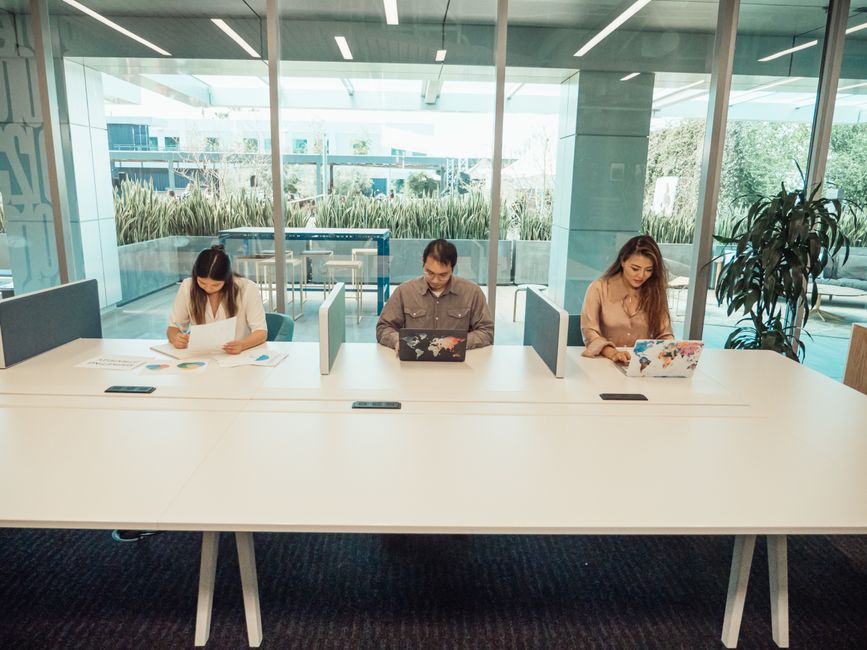
As businesses evolve and modern work styles adapt, the concept of coworking spaces has established itself by fostering innovation and community. The vibrant city-state is no exception, with the development of a thriving landscape for coworking entrepreneurs and freelancers alike. The coworking space in Singapore illustrates this perfectly with its rapidly expanding facilities that cater to diverse professional needs.
Historical Context and Growth
Singapore has a reputation for being a proactive and progressive business hub. This environment has nurtured fertile ground for coworking spaces, with early adopters identifying gaps in the traditional office marketplace. The transition to flexible working environments has remarkably influenced how businesses operate, encouraging a culture that embraces flexibility, collaboration, and network building. Growth statistics outline a burgeoning industry, with coworking spaces continuing to pop up at unprecedented rates.
Benefits of Coworking Spaces
1. Collaboration and Networking Opportunities
One of the cornerstone benefits of coworking spaces is the myriad of networking opportunities they offer. Such environments are intentionally designed to facilitate communication and collaboration among professionals from varied industries. In-depth interactions and seamless networking foster a sharing of ideas that could lead to innovative projects or collaborations. This aspect is accentuated in Singapore with its multicultural mix, allowing professionals to engage in rich and diverse dialogues.
2. Flexibility and Cost-Effectiveness
A conventional office setup can strain budgets, especially for start-ups and freelancers. Coworking spaces offer varied membership plans that grant access to high-quality amenities without the financial burden of long-term leases. Flexible terms, ranging from hot-desking options to private offices, allow individuals and businesses to scale operations as needed. In this cost-effective infrastructure, members can focus on their work without worrying about the depreciating costs associated with running a traditional office.
3. Access to a Variety of Amenities
Coworking spaces are equipped with state-of-the-art facilities that surpass those found in many conventional office setups. High-speed internet, meeting rooms, event spaces, and well-stocked pantries cater to different professional needs. Furthermore, the availability of advanced technologies like video conferencing tools and smart office systems enhances productivity. These comprehensive services are tailored to support members in achieving peak productivity levels.
Categories of Coworking Spaces
1. Premium and Luxury Spaces
For businesses and professionals seeking elegance and exclusivity, premium coworking spaces provide an upscale working environment. These spaces are often located in prime business districts and are designed with chic interiors and high-end furnishings. Such spaces generally include executive suites and top-tier amenities, catering to those who require both prestige and function.
2. Niche and Industry-Specific Coworking Spaces
Some coworking spaces focus on specific industries or professional communities, offering tailored environments that cater to particular occupational needs. Examples include tech hubs for startups, creative spaces for designers, and labs for life science researchers. By fostering a sector-specific environment, these spaces provide an added layer of networking opportunities and resources that are directly aligned with industry demands.
Challenges and Considerations
1. Privacy and Security Concerns
Even as coworking spaces bring professionals together, they must address privacy concerns inherent in open-plan environments. Adequate security measures, both digital and physical, must be established to safeguard sensitive information. Spaces need to integrate security protocols to prevent breaches, ensuring a secure working environment for all members.
2. Noise and Distraction Management
The very aspect of coworking that encourages connectivity can also lead to distractions. Noise management solutions such as soundproof booths and designated quiet zones are increasingly vital components to help professionals maintain focus amid the oscillation of energetic discourse and quiet contemplation.
3. Ensuring Consistent Community Engagement
While coworking spaces thrive on their community-centric model, consistent engagement remains a challenge. Spaces often host workshops, networking events, and community-building activities to foster a sense of belonging. The efficacy of such initiatives can determine the vibrancy and attractiveness of a coworking environment.
Technological Integration
1. Smart Offices
The integration of smart technologies into coworking spaces is advancing swiftly. From automated heating and lighting systems to sophisticated booking systems for meeting rooms, tech-driven solutions enhance user experience and operational efficiency. These integrations underpin coworking’s core appeal of a seamless, flexible working experience.
2. Software Solutions and Support Networks
Digital collaboration platforms and CRM tools often complement the physical offerings of coworking spaces. These software solutions allow members to connect, manage projects, and coordinate effortlessly, regardless of their location. Such tools amplify the benefits of a physical coworking space by enabling a hybrid approach to modern work ecosystems.
Evolution of Coworking Post-Pandemic
The COVID-19 pandemic catalysed a shift in how businesses operate, much of which dovetailed seamlessly with the inherent flexibility of coworking spaces. As organisations reconsidered leasing large office spaces, coworking provided a convenient alternative that aligned with remote work trends. The ability to quickly adapt to remote and hybrid working models has reinforced the appeal of coworking, positioning it as a cornerstone for the future of work.
Environmental and Social Considerations
Coworking spaces are increasingly valuing sustainability and social responsibility. These spaces often incorporate green building practices, reducing carbon footprints with energy-efficient setups. Additionally, social initiatives such as supporting local businesses and community projects are integrated as part of corporate responsibility programmes within coworking environments.
In conclusion, the coworking arena in Singapore exemplifies a modern workspace revolution. Harnessing benefits like networking, flexibility, and cost savings, these spaces are aligned with future business paradigms. Balancing innovative tech integration with sustainability and community, coworking facilities are shaping harmonious work futures for diverse professionals.