
The Structural Reality Of Tooth Loss And The Mechanics Of Modern Replacement
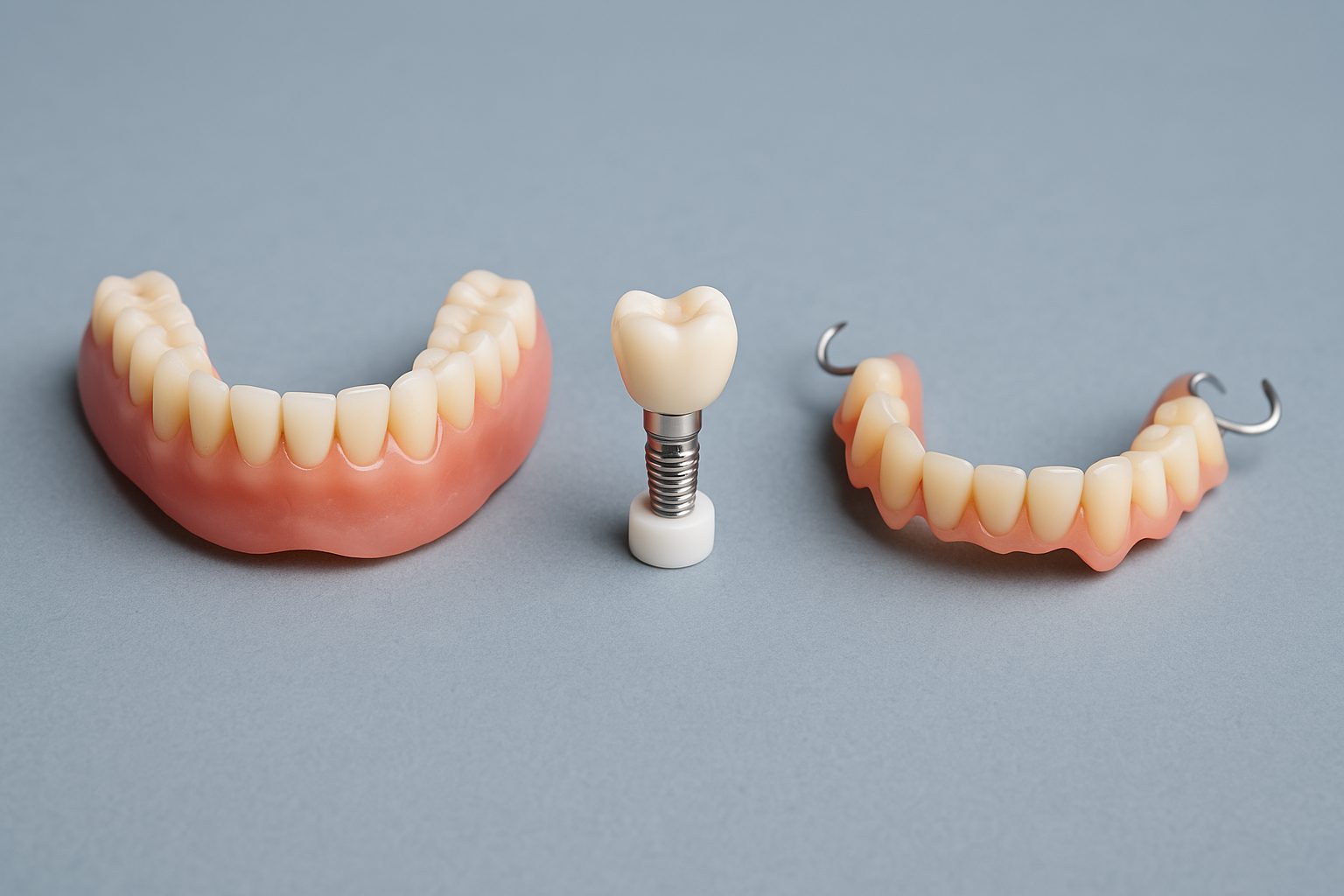
Losing an adult tooth often triggers an immediate cosmetic panic, but the aesthetic change is actually the least of your concerns. The real damage happens beneath the gum line, where a quiet, destructive biological process begins within weeks of the extraction. The human jawbone relies on the continuous mechanical pressure of chewing to maintain its density. Remove the tooth root, and the body interprets that section of the jaw as useless, rapidly reabsorbing the surrounding bone tissue to use those minerals elsewhere in the body.
We tend to treat tooth replacement as an optional cosmetic upgrade. It is not. Leaving an empty space in your dental arch sets off a chain reaction that compromises the alignment of your remaining teeth, alters your facial structure, and complicates your ability to eat normally. This guide breaks down exactly what happens structurally when you lose a tooth, why older replacement methods fall short, and how modern restorative techniques actually mimic natural human anatomy to stop bone loss in its tracks.
Your teeth operate in a highly calibrated system of mutual support. They rely on their neighbors to stay upright and properly spaced. When a gap appears, the teeth on either side lose that structural support and immediately begin drifting toward the empty space. Simultaneously, the opposing tooth on the opposite jaw—lacking a partner to strike against—will slowly erupt further out of its socket, a process known as supereruption.
This shifting creates new, hard-to-clean spaces where plaque accumulates, drastically increasing the risk of periodontal disease and further tooth decay. It also completely alters your bite mechanics. An average human bite generates about 150 to 200 pounds of force. When one tooth is missing, that massive force is redistributed unevenly across the remaining teeth. This leads to accelerated enamel wear, microscopic fractures, and potential temporomandibular joint (TMJ) disorders.
But the most severe consequence remains bone resorption. During the first year after losing a tooth, you can lose up to 25 percent of the bone volume in that specific area. The jaw literally shrinks. This is why people who wear traditional, non-anchored dentures for decades develop a sunken, aged facial appearance. The bone foundation has dissolved because it no longer receives the mechanical signals to rebuild itself. Halting this bone loss requires more than just filling the visible gap.
Why replacing the root changes the equation
For decades, the standard treatment for a single missing tooth was a fixed dental bridge. Bridges work by grinding down the healthy enamel on the teeth adjacent to the gap, capping them with crowns, and suspending a false tooth between them. It solves the cosmetic problem and restores basic chewing function. However, it sacrifices healthy neighboring teeth and does absolutely nothing to stop the underlying bone loss, as the false tooth merely sits on top of the gums.
Modern dentistry approaches the problem from the root up. By surgically inserting a threaded titanium post directly into the jaw, oral surgeons and specialized dentists replicate the function of a natural tooth root. Titanium has a unique biological property called osseointegration. The human immune system does not recognize it as a foreign object; instead, living bone cells attach themselves directly to the microscopic ridges of the metal, permanently fusing the post into the jawbone.
This fusion provides the mechanical stimulation necessary to keep the jawbone healthy and intact. For those researching local specialists to handle this procedure, evaluating providers who routinely perform dental implants in greenbelt offers a solid benchmark for the clinical standards and technology required. The modern process relies heavily on precise 3D cone-beam computed tomography (CBCT) imaging and surgical planning to ensure the titanium post is placed at the exact angle needed to handle the immense bite force of a natural tooth.
Managing expectations for the recovery timeline
One of the biggest misconceptions about structural tooth replacement is the speed of the process. While aggressive marketing campaigns sometimes promise “teeth in a day,” the biological reality of cellular bone healing cannot be rushed by advertising.
The initial surgery to place the titanium post is surprisingly straightforward, usually requiring only local anesthesia and taking under an hour for a single site. The critical phase happens over the next three to six months. You have to wait for osseointegration to occur naturally. Rushing to attach a permanent, heavy ceramic crown before the bone has fully integrated with the metal often causes the implant to fail under the lateral pressure of chewing.
During this waiting period, patients stick to softer diets and wear a temporary prosthetic so they do not have to walk around with a visible gap. Once the dentist confirms the jawbone has solidly fused to the post, they attach an abutment—a small connector piece—and finally secure the custom-milled crown. These modern crowns are typically milled from advanced materials like zirconia, which reflect light exactly like natural enamel. The resulting structure looks, feels, and acts indistinguishable from a natural tooth. You brush and floss it normally, and it cannot develop cavities.
The financial and long-term perspective
Families often experience sticker shock when looking at the upfront costs of advanced restorative dentistry compared to traditional bridges or removable partial dentures. Dental insurance frequently categorizes these procedures as elective, leaving patients to cover a significant portion out of pocket.
You have to look at the lifecycle of the treatment rather than just the initial price tag. A traditional bridge typically fails and needs to be replaced every seven to ten years due to wear, decay under the anchoring crowns, or changes in the receding gum line. Removable dentures require frequent realignments as the jawbone inevitably shrinks beneath them. Both older methods carry heavy, recurring long-term maintenance costs.
An integrated titanium root is designed to last a lifetime. The ceramic crown on top may eventually need replacement after several decades of heavy use, but the surgical foundation remains secure in the bone. When you factor in the preservation of adjacent healthy teeth and the prevention of bone deterioration, the long-term biological and financial math strongly favors complete root replacement.
Losing a tooth fundamentally alters the mechanics of your mouth. Deciding how to replace it is a medical decision that impacts the longevity of your remaining teeth and the structural health of your jawbone. We have moved past the era of simply hiding the gap with temporary, surface-level hardware. Dentists now have the materials and technology to rebuild your anatomy from the bone up.
Take the time to evaluate the health of your jaw and understand the biological differences between your options before committing to a treatment plan. Are you looking for a quick cosmetic patch, or are you ready to invest in the structural integrity of your mouth for the decades ahead?