
What Is A VPN? A Beginner’s Guide To Online Privacy and Security
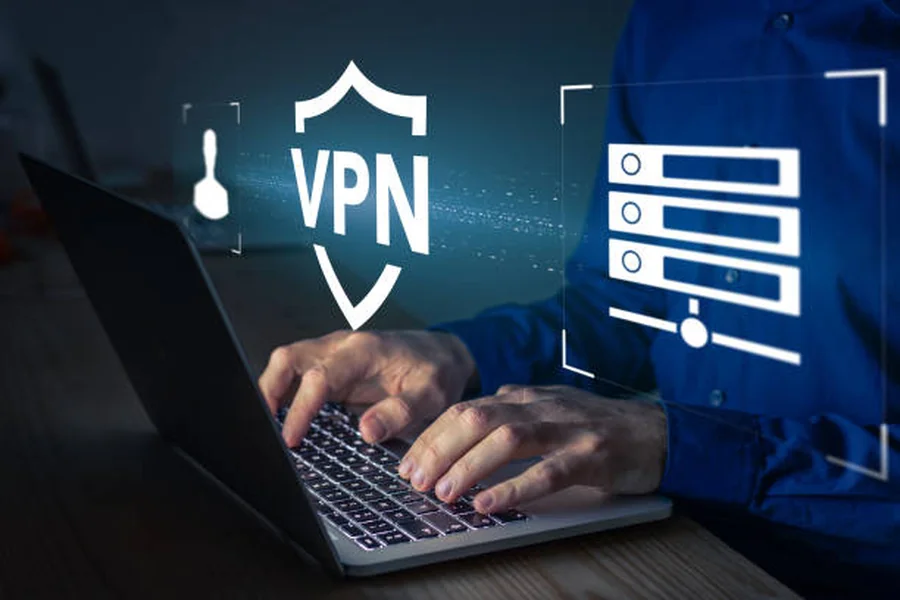
These days, protecting personal data has become more important since more and more people use the internet daily. According to Statista, billions of people rely on the internet for communication, work, and entertainment. At the same time, cyber threats such as hacking, data breaches, and online tracking are increasing, putting users’ privacy at risk.
The increasing use of public Wi-Fi and remote work tools and online services has created a situation where people must secure their internet connections. The situation requires users to obtain a Virtual Private Network (VPN) service for their protection needs. A VPN protects your online activities while it also secures your sensitive data and enables safer internet browsing.
Roughly 51% of American adults use a VPN on their phones. Another report indicates 64% of all VPN usage occurs over mobile devices. VPN usage is highest among younger generations, with 50% of Gen Z and Millennials using a VPN.
So, what is a VPN? Let’s break down what a VPN is, how it works, and how to choose the right one.
Understanding a VPN
A Virtual Private Network (VPN) establishes a protected encrypted link that connects your device to the internet. Your data moves through a private server that the VPN provider controls instead of making direct connections to websites.
The system protects your actual IP address while it secures your online activities through encryption which prevents hackers and Internet service providers and other entities from watching your online behavior.
How a VPN Works
Your data remains protected through encryption until it reaches your device when you use a VPN connection. Your data first gets encrypted on your device before it travels through a secure tunnel to the VPN server which decrypts it and sends it to the internet.
The website or service you access sees the VPN server’s IP address instead of your own. The system establishes extra privacy measures that defend your online identity.
Why VPNs Are Important Today
People use various locations and network connections to access the internet because they need to work remotely and use their mobile devices. Cybercriminals attack public Wi-Fi networks because these networks do not have adequate security protections.
VPNs create secure connections through their data encryption system, which successfully decreases the chances of data interception. The system prevents others from tracking and monitoring personal information.
Key Benefits of Using a VPN
The primary advantage of VPN technology is that it provides users with better protection of their personal information. The system hides your IP address which stops websites and advertisers from tracking your physical location and your internet browsing activities.
VPNs provide essential security protection because they encrypt all sensitive information that users need to protect during online banking and work activities and private communications.
Online surfing and streaming are usually much more valuable for most people because these allow them to view content that is restricted to geographical locations.
Common Use Cases for VPNs
Remote workers who require secure access to company systems and files choose VPNs as their primary solution. Businesses use VPNs to protect their internal communications and secure their confidential information.
This service is useful to the travelers or frequent users using various public Wi-Fi networks to help them secure their online transactions.
VPNs offer privacy-conscious users a secure method to browse the internet without being monitored.
How to Choose the Right VPN
Multiple elements need evaluation to choose the appropriate VPN service. The first requirement for security features needs to include strong encryption together with a no-logs policy. The system needs to provide fast connections and accessible servers because users require these features for streaming and gaming activities.
It should provide various server options because multiple server locations will enhance its performance capabilities. Users need the system to work with their devices while providing straightforward operation. Selecting a trustworthy provider will deliver dependable service, which maintains safety throughout extended periods of use.
Best Practices for Using a VPN
To achieve maximum VPN benefits, you need to update your software because it contains new security features. Free VPN services and untrusted VPN services should be avoided because they will put your data at risk.
You should keep your VPN active continuously to protect your confidential information and your public WiFi network connections. The best network performance happens when you test your connections at scheduled times throughout your work.
Final Thoughts
A VPN protects your online privacy through its strong security features, which also protect your internet connection. The use of a VPN protects your data while you work remotely or travel or browse the internet from your home.
To understand a VPN is to know what kind of configuration best suits all users: safer and more private online with VPN services in today digital world.