
When to Call for Emergency HVAC and Plumbing Repairs
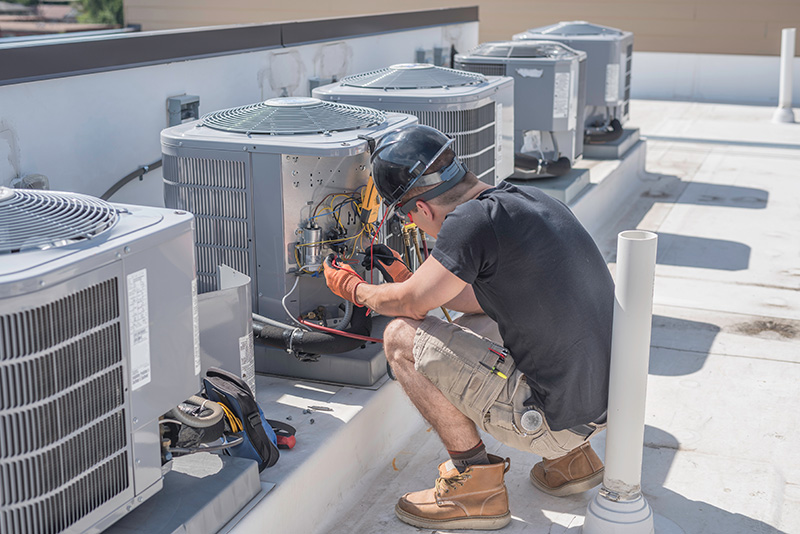
Critical Signs You Need Emergency HVAC and Plumbing Repairs
Imagine waking up to a freezing shower or discovering a flooded basement on a cold September 2026 morning. Water heater failures are more than just an inconvenience; they can disrupt your entire home, cause significant damage, and even pose safety risks. When such emergencies strike, especially outside regular business hours, knowing when and how to get help is crucial. We understand the stress these situations create, particularly when you need 24 hour water heater repair in Salt Lake City, UT. This guide will walk you through recognizing critical signs, taking immediate action, and making informed decisions to restore comfort and safety to your home quickly and efficiently.
For more details on our complete range of home comfort solutions, or to request immediate emergency service, we are ready to assist.
Recognizing the early warning signs of a failing water heater or other plumbing and HVAC emergencies can save you from more extensive damage and costly repairs. While some issues can wait for regular business hours, others demand immediate, 24-hour attention. Critical indicators often include burst pipes, which can cause rapid and severe water damage, or the smell of gas, signaling a dangerous leak. Carbon monoxide detectors sounding an alarm also indicate an urgent, life-threatening situation. For HVAC systems, issues like frozen coils or catastrophic leaks from air conditioning units can lead to significant water damage or system failure. Electrical sparking near appliances or panels is another serious sign requiring immediate professional intervention to prevent fires or electrocution. A sudden, unexplained loss of water pressure throughout your home can also point to a major plumbing problem that needs prompt assessment.
Water Heater Failure and Rupture Indicators
When it comes to your water heater, several distinct signs suggest you need emergency 24-hour repair in Salt Lake City. The most common and urgent indicators include:
- No Hot Water: While a complete lack of hot water might sometimes be a simple fix (like a tripped breaker for an electric unit or a pilot light outage for gas), if you’ve checked these basics and still have no hot water, especially during cold months, it’s an emergency.
- Leaking Water Heater: Any visible leak from your water heater tank is a serious concern. Small drips can quickly escalate into significant floods, leading to extensive property damage. Leaks often indicate tank fractures, loose connections, or a failing pressure relief valve.
- Strange Noises: Banging, rumbling, or popping sounds coming from your water heater often signal excessive sediment buildup at the bottom of the tank. This sediment can harden, reducing efficiency and eventually leading to tank corrosion and premature failure.
- Cloudy or Rusty Water: If the hot water coming from your faucets is discolored (rusty, brown, or murky), it could indicate internal corrosion of the tank. This is a precursor to leaks and potential tank rupture.
- Sulfur Odor (Rotten Eggs): A sulfur smell in your hot water typically means there’s a bacterial presence in the tank, often exacerbated by a failing anode rod. While not immediately damaging, it indicates a system in distress.
- Scalding Hot Water: If your water heater is producing excessively hot water, it could be a sign of a malfunctioning thermostat or a faulty temperature and pressure (T&P) relief valve. This is a safety hazard, as scalding can occur quickly.
- Pressure Relief Valve Failure: If water is constantly dripping or flowing from the T&P relief valve, it indicates either excessive pressure within the tank or a faulty valve that needs immediate attention to prevent rupture.
A ruptured water heater tank is a catastrophic event, often resulting in rapid flooding. These ruptures can stem from long-term corrosion, excessive pressure due to a faulty T&P valve, or extreme temperature fluctuations. Addressing these signs promptly with a 24-hour service can prevent a complete system failure and significant water damage.
Total Loss of Heat During Extreme Freezing Weather
Utah winters, particularly in Salt Lake City, can be harsh, with temperatures frequently dropping below freezing. During these periods, a total loss of heat from your water heater or furnace isn’t just an inconvenience; it can be a critical safety issue. Without hot water for sanitation and heating for your home, occupants are at risk of hypothermia, and your home’s plumbing system is vulnerable. Interior pipes can freeze and burst, leading to devastating water damage once temperatures rise or water flow resumes.
Emergency water heater repair is especially critical during these cold snaps. A malfunctioning water heater can lead to frozen pipes, which are far more expensive and disruptive to repair than the water heater itself. Common causes of heat loss in winter include pilot light outages, thermostat failures, or issues with heating elements or gas lines. Prompt intervention by a 24-hour technician ensures your family’s safety and protects your home’s infrastructure from the damaging effects of freezing temperatures.
Immediate Action Steps for After-Hours Plumbing and Heating Failures
When an emergency strikes outside of normal business hours, your immediate response can significantly mitigate damage and ensure safety. Knowing what to do in the moments following a water heater leak, burst pipe, or furnace failure is crucial.
First and foremost, prioritize safety. If you smell gas, evacuate your home immediately and call your gas provider from a safe distance. If there’s electrical sparking, turn off the main electrical breaker to your home.
For water-related emergencies, your primary goal is to stop the water flow. Locate and turn off your main water shutoff valve. This is typically found where the main water line enters your home, often in the basement, crawl space, or near the water meter outside. For a water heater specific leak, you can often turn off the cold water supply valve located on the pipe entering the top of the water heater tank.
If your water heater is gas-powered, turn off the gas supply valve, usually a knob or lever on the gas line leading to the unit. For electric water heaters, switch off the corresponding circuit breaker in your electrical panel.
Once the immediate threat is contained, ensure proper ventilation, especially if there’s any lingering odor or concern about gas. Begin property damage mitigation by attempting to remove standing water or protecting valuables from further exposure. After these initial steps, it’s time to call for qualified HVAC and plumbing services that offer 24/7 emergency response.
Managing Emergency HVAC and Plumbing Repairs at Night
When you contact a 24-hour emergency service in Salt Lake City, they typically have established after-hours protocols designed for rapid response. The dispatch team will gather essential information about your emergency to understand the scope of the problem. They will then dispatch a technician, often aiming for a quick arrival window.
While waiting for the technician, you might be advised on temporary containment measures, such as placing buckets under a leak or isolating the affected area. Safety isolation steps, like turning off power or water, are paramount. The emergency technician, upon arrival, will first assess the situation, confirm the source of the problem, and then outline the necessary repairs. Their goal is to restore essential services or provide a temporary fix to ensure safety until a more permanent solution can be implemented.
Prompt attention to heating and cooling issues helps prevent minor mechanical problems from growing into expensive middle-of-the-night breakdowns. Homeowners seeking support for heating or cooling systems can consult hvac st peters to address ongoing performance issues, restore consistent airflow, and maintain stable interior temperatures before extreme seasonal weather places extra demands on equipment.
Preventing Secondary Water and Structural Damage
The immediate aftermath of a water heater leak or burst pipe often involves significant water. Preventing secondary damage is critical. Once the water flow is stopped, focus on removing standing water as quickly as possible. Use wet/dry vacuums, towels, and mops. Open windows and use fans to promote air circulation and aid in drying.
Moisture containment is key. If water has seeped into walls or flooring, it can lead to saturated drywall, subfloor damage, and eventually mold growth. Identifying and drying these areas thoroughly is essential. Professional services often use specialized equipment like industrial dehumidifiers and air movers to dry out affected areas efficiently. Addressing water damage promptly helps prevent long-term structural issues and the health risks associated with mold.
Repair vs. Replace: Evaluating Urgent System Restorations
During an emergency water heater repair call, especially for older units, the question of whether to repair or replace often arises. This decision depends on several factors, including the age of your system, the severity of the problem, and the cost of the repair relative to a new unit.
A common guideline is the “50-percent rule”: If the cost of the repair is 50% or more of the cost of a new water heater, replacement is generally the more economical choice in the long run. Consider the typical lifespan of your water heater type. Conventional tank water heaters usually last 10-15 years, while tankless units can last 20 years or more with proper maintenance. If your unit is nearing the end of its expected lifespan and requires a significant repair, investing in a new, more energy-efficient model might be a smarter decision.
Emergency cost comparisons should factor in not just the immediate repair bill but also potential future repairs, increased energy consumption of an older unit, and the warranty benefits of a new installation. A new water heater can offer improved energy efficiency, leading to lower utility bills over time, and comes with a fresh warranty for peace of mind.
Cost Drivers for Emergency HVAC and Plumbing Repairs
While we cannot provide specific pricing, it’s important to understand the factors that influence the cost of 24-hour water heater repair in Salt Lake City. Emergency services typically incur higher costs than scheduled repairs due to several key factors:
- After-Hours Labor: Technicians responding to calls outside of standard business hours (evenings, weekends, holidays) are often paid at a premium rate, which is reflected in the service charge.
- Weekend and Holiday Dispatch: Similar to after-hours labor, dispatching technicians on weekends or holidays usually carries an additional surcharge.
- Urgent Replacement Parts: If specialized parts are needed immediately, they might need to be sourced quickly, potentially outside of normal supply chains, which can add to the cost.
- Diagnostic Fees: A fee for diagnosing the problem is standard, especially for complex issues that require extensive troubleshooting.
- Local Permitting: While less common for simple repairs, major replacements or installations might require local permits, adding to the overall expense.
Reputable companies will provide a clear estimate before proceeding with repairs, ensuring transparency even in an emergency situation.
Regional Factors: Hard Water and Freezing Climates
Salt Lake City’s unique environment presents specific challenges for water heaters. The region is known for its hard water, meaning the water contains a high concentration of dissolved minerals like calcium and magnesium. This hard water significantly impacts water heaters:
- Mineral Accumulation: Over time, these minerals accumulate as scale on the heating elements and at the bottom of the tank. This sediment acts as an insulator, forcing the water heater to work harder and consume more energy to heat water, leading to reduced efficiency and increased utility bills.
- Accelerated Corrosion: Hard water can also contribute to accelerated corrosion of internal components, particularly the sacrificial anode rod, which is designed to attract corrosive elements away from the tank lining. When the anode rod is depleted prematurely, the tank itself becomes vulnerable.
- Reduced Lifespan: The constant battle against scale buildup and corrosion can significantly shorten the lifespan of a water heater, making regular maintenance, such as flushing the tank, even more crucial.
Beyond hard water, the freezing temperatures of Utah winters, as discussed earlier, put additional stress on water heaters and plumbing systems. Thermal expansion and contraction can weaken pipes and connections, increasing the likelihood of leaks or bursts. Ensuring your water heater is properly maintained and insulated is vital for longevity in this climate.
Frequently Asked Questions About Emergency Home Repairs
When faced with an unexpected water heater or plumbing emergency, many questions arise. Here, we address some of the most common concerns Salt Lake City homeowners have.
How quickly should an emergency technician arrive during a crisis?
The speed of arrival for a 24-hour plumber or HVAC technician in Salt Lake City can vary, but reputable emergency services prioritize rapid response. Many leading local companies, some with decades of service to the Salt Lake Valley, boast same-day response times for emergency calls, often arriving within a few hours. Factors influencing dispatch speed include the severity of the emergency, the technician’s current location, traffic conditions, and severe weather delays. When you call, the dispatch team will typically provide an estimated arrival window. For instance, some providers, praised in over 24,000 Google reviews for their 24/7 availability, are known for their promptness in water heater and plumbing emergencies. Long-standing local services, some operating for 60 years or even since 1935, have built a reputation on reliable, timely emergency assistance across the Salt Lake City area, from Sugar House to West Valley City.
What should I do immediately if my water heater bursts?
A burst water heater is a critical emergency requiring immediate action to minimize damage and ensure safety.
- Shut Off the Water Supply: Locate the cold water shut-off valve on the pipe leading into your water heater and turn it off. If you can’t find it or it’s stuck, proceed to the main water shut-off valve for your entire home.
- Deactivate Power/Gas: For an electric water heater, go to your electrical panel and switch off the circuit breaker labeled for the water heater. For a gas water heater, turn the gas supply valve to the “OFF” position.
- Ventilate the Area: If it’s a gas water heater and you smelled gas, open windows and doors, and evacuate the premises immediately, calling your gas provider from a safe location.
- Begin Drainage (if safe): If the tank is still holding water, you can attach a garden hose to the drain valve at the bottom of the tank and direct it to a nearby floor drain or outside. This will help empty the tank and reduce further leakage once the water supply is off.
- Contact Emergency Services: Call a 24-hour water heater repair service immediately. While waiting, begin to remove standing water to prevent secondary damage.
Can tankless water heaters and heat pumps be repaired on an emergency basis?
Yes, both tankless water heaters and heat pumps can and often need to be repaired on an emergency basis. While tankless water heaters are known for their longevity and efficiency, they can still experience issues such as clogged filters, ignition failures, or sensor malfunctions that lead to a complete loss of hot water. Many emergency service providers specialize in diagnosing and repairing these complex systems, often using error codes displayed on the unit to quickly identify the problem.
Similarly, heat pumps, which provide both heating and cooling, can fail unexpectedly. Common emergency issues include refrigerant leaks, compressor failures, or electrical problems that can leave a home without adequate climate control. Specialized technicians are equipped to handle heat pump diagnostics and repairs, often carrying common replacement components for urgent situations. These systems, whether gas, electric, or tankless, require trained professionals who understand their specific mechanisms for effective emergency repair.
Conclusion
Facing a water heater or HVAC emergency in Salt Lake City can be daunting, but with the right knowledge and resources, you can navigate these situations effectively. Recognizing critical signs, taking immediate action, and knowing when to call for 24-hour water heater repair are crucial steps in protecting your home and family. Reputable local emergency services, many with decades of experience and positive customer feedback, are readily available across the Salt Lake Valley to address urgent needs, from routine repairs to complex system diagnostics. These services often cover a wide geographic area, ensuring that homeowners in various communities can access help promptly.
To prevent future water heater emergencies, proactive measures are key. Regular preventative maintenance, including annual inspections, flushing the tank to remove sediment (especially important with Salt Lake City’s hard water), and checking the anode rod, can significantly extend your water heater’s lifespan and efficiency. Many emergency repair services also offer comprehensive maintenance plans that include these vital checks, often identifying potential issues before they escalate into costly emergencies. Beyond just fixing the immediate problem, a thorough repair service might include recommendations for system optimization, energy efficiency improvements, and advice on long-term care.
When considering the cost of urgent repairs, many reputable companies understand the financial strain of unexpected breakdowns. It’s common for some services to offer financing options or provide coupons for urgent water heater repairs, helping to make necessary fixes more manageable. Furthermore, always inquire about guarantees or warranties provided on both parts and labor for emergency services, as this offers an added layer of protection and peace of mind. By prioritizing seasonal inspections, planning for rapid response, and maintaining your utility systems, you can ensure greater safety, comfort, and longevity for your home’s essential functions.