
Dental Bone Grafts: What You Need to Know
If you have been told that your jawbone needs extra support, the idea can sound bigger than it really is. Many people in Cherry Creek and beyond first hear about this issue when planning dental work or dealing with an older tooth problem. The good news is that learning the basics can make the next step feel much more manageable. When you understand why jawbone health matters, you can ask better questions and feel more prepared for treatment decisions.
Why Bone Support Matters
Your jawbone does more than hold your teeth in place. It helps support your bite, keeps your facial structure steady, and creates the foundation needed for treatments like dental implants. When bone becomes too thin or weak, even simple dental plans may need to pause until that support is rebuilt.
If your dentist mentions bone grafting in Cherry Creek, they are talking about a treatment that helps restore bone where it has been lost. That added support can make future care more stable and predictable.
Think of it like repairing the ground before building on it. If the base is not strong, the next step may not last as well as it should. Bone support also matters for comfort. A stronger jaw can improve how restorations fit and function, which can make daily eating and speaking feel more natural.
Common Reasons For Bone Loss
Jawbone loss often happens slowly, which is why many people do not notice it at first. One of the most common causes is a missing tooth. When a tooth is gone, the bone in that area no longer gets the regular stimulation it needs, so it can begin to shrink over time.
Gum disease is another major reason. Infection and inflammation can damage the tissues and bone that support your teeth. An untreated tooth infection may also affect nearby bone. In some cases, an injury to the mouth or face can create bone loss more suddenly.
Long-term dental problems can play a role too. A cracked tooth, severe decay, or a tooth that has been missing for years may all lead to gradual changes in the jaw. Even dentures that no longer fit properly can reflect shifts in the underlying bone. These changes are common, but they should not be ignored.
Signs You Should Not Ignore
Bone loss in the jaw does not always cause pain, which can make it easy to miss. Still, there are signs that deserve attention. If your dentures feel looser than they used to, that may mean the shape of your jaw has changed. A bite that suddenly feels off can point to shifting support around your teeth.
You may also notice teeth that seem loose, spaces that were not there before, or discomfort when chewing on one side. Some people learn about bone loss only after asking about dental implants and hearing that they need more support first.
Changes in facial appearance can matter too. A sunken look around the mouth or lower face may happen when bone has reduced over time. None of these signs confirm a diagnosis on their own, but they do mean it is worth getting checked.
An early exam can help your dentist spot problems before they become more complicated. Catching the issue sooner can also give you more treatment options.
How The Procedure Works
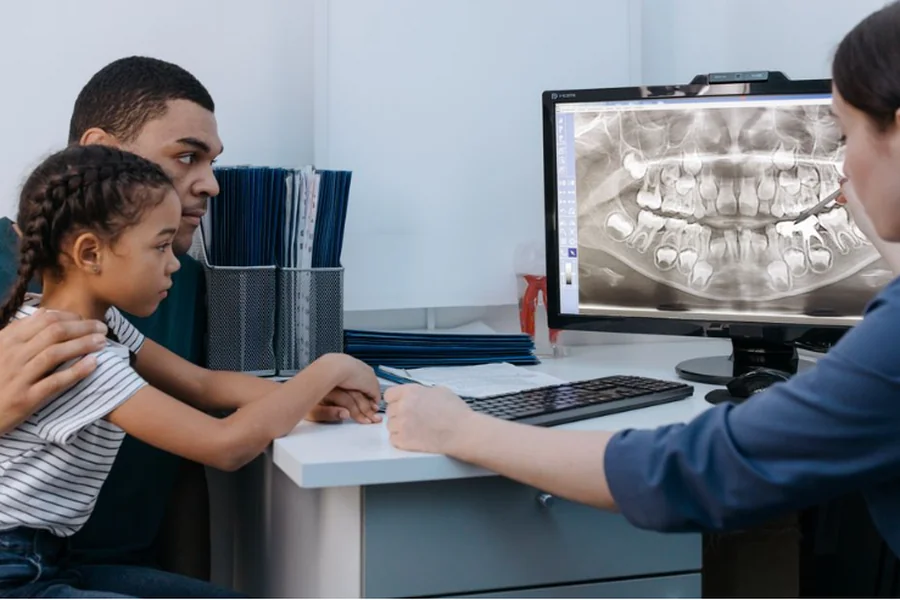
Bone grafting sounds complex, but the basic idea is straightforward. The goal is to add material to an area where the jawbone needs more volume or strength. Before anything is done, your dentist or oral surgeon will examine your mouth and usually take imaging to see exactly where support is lacking.
Once the treatment area is planned, the graft material is placed where new bone support is needed. That material acts like a framework your body can work with during healing. Over time, your natural bone begins to integrate with it.
The exact details can vary depending on why you need the procedure and how much bone has been lost. Some grafts are small and tied to a single treatment area. Others may be part of a broader restorative plan.
What matters most for you is knowing that this is usually a step-by-step process. It is designed to prepare your mouth for stronger long-term results, not to rush you into the next phase before your jaw is ready.
Recovery In Daily Life
Recovery is usually manageable, especially when you know what to expect. You may have some swelling, mild bleeding, or soreness for a few days after the procedure. That is common and often improves with rest, prescribed care, and following your provider’s instructions closely.
Soft foods are usually the easiest choice at first. Yogurt, soup, eggs, mashed vegetables, and oatmeal are often more comfortable than crunchy or chewy meals. You will likely need to avoid using straws, smoking, or disturbing the area while it begins to heal.
Many people return to normal daily routines fairly quickly, but strenuous activity may need to wait for a short time. Healing itself takes longer than the first few days of recovery. Your mouth may feel better soon, but the bone needs time to develop properly.
Follow-up visits are important because they let your provider check progress and decide when the area is ready for the next stage, if more treatment is planned.
Questions To Ask First
Before moving forward, it helps to ask clear and practical questions. Start with the purpose of the treatment. Ask why the graft is needed and what problem it is meant to solve. If it connects to future dental work, ask how it supports that plan and what results are realistic.
You should also ask about timing. Find out how long the area may take to heal and whether that affects implants, crowns, or dentures later. Cost matters too, so ask what factors influence the total price and whether there may be additional steps involved.
A few useful questions include:
- What caused the bone loss in my case?
- How much healing time should I expect?
- Will this improve my options for future treatment?
- What should I avoid during recovery?
- How will we know when healing is complete?
A good provider should be able to answer these questions in plain language. When you understand the reason for treatment, the process feels far less uncertain.