
Is Your Basement Trying to Tell You Something? Signs of a Water Problem
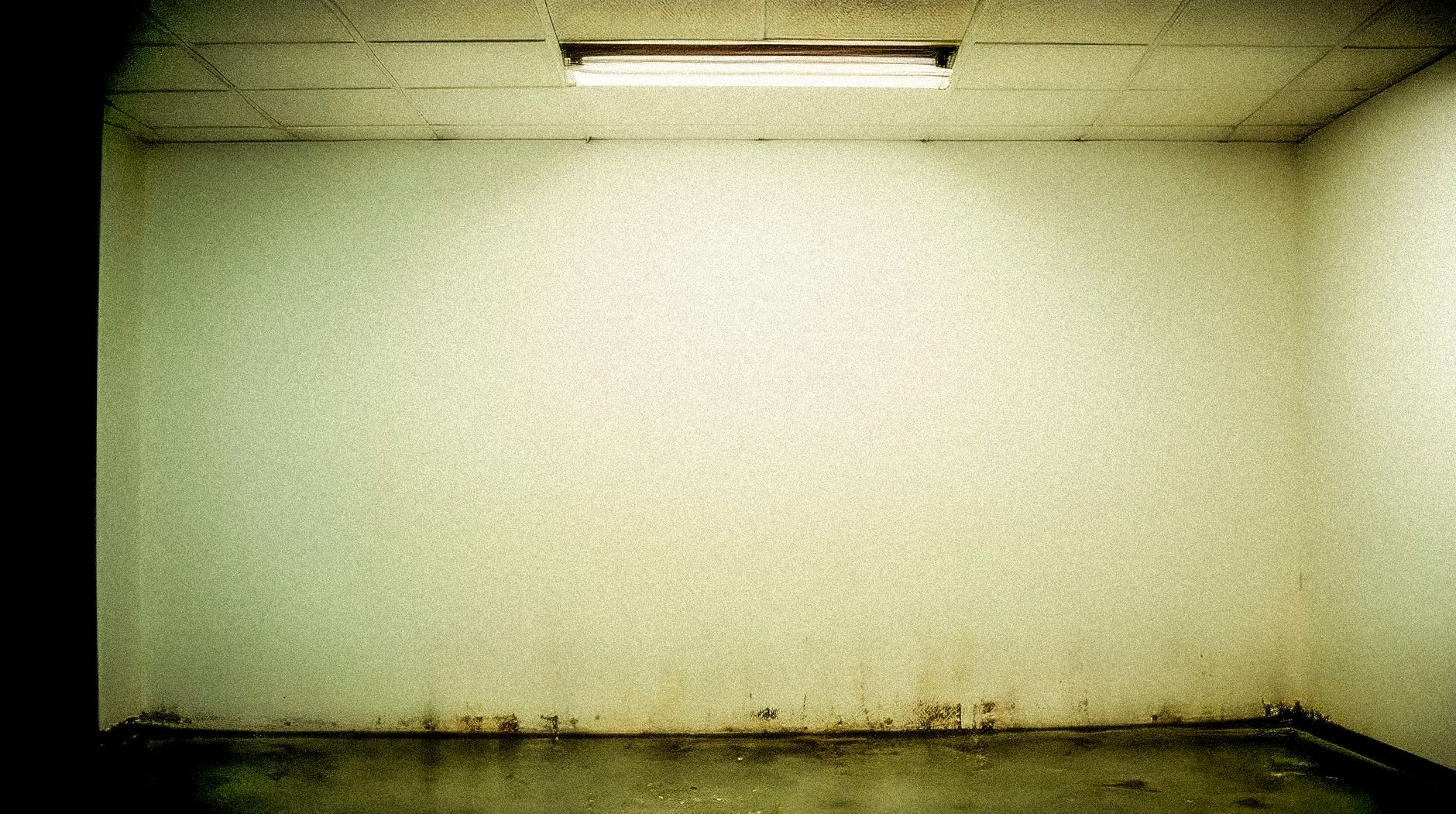
Basements have a way of hiding their troubles until it is too late. A faint musty smell here, a small stain there, and it is easy to shrug it all off as just the way old basements are. But a basement rarely stays quiet about a water problem for long, and the early signs it sends are worth paying attention to. Catching them early can be the difference between a simple fix and a major, expensive repair down the road.
Water is patient and persistent, and a basement sits in the one part of your home most exposed to the soil, groundwater, and runoff around your foundation. Learning to read the warning signs, and understanding what tends to cause them, puts you back in control before a damp corner becomes a flooded mess. Here is what your basement may be trying to tell you.
This is far more common than most homeowners realize. Industry data suggests that about 98 percent of basements will experience some form of water damage during their lifespan. In other words, a water issue is less a question of if than when. That is exactly why understanding your options for basement waterproofing in mississauga matters long before a small sign becomes a serious problem.
The Warning Signs to Watch For
Your basement communicates through your senses. A few telltale signals are worth taking seriously the moment you notice them:
- A musty, damp smell. That distinctive earthy odour is often the first clue, signalling excess moisture or hidden mould even before you see anything.
- Stains and discolouration. Yellowish or brownish marks on walls and floors are watermarks, showing where moisture has been seeping in.
- Efflorescence. A white, chalky, powdery residue on concrete walls is left behind as water passes through and evaporates, a clear sign of moisture movement.
- Peeling paint or bubbling. When paint or coatings blister or flake on basement walls, trapped moisture behind the surface is usually the culprit.
- Visible cracks. Cracks in foundation walls or floors are both a warning sign and a pathway for water to enter.
- Dampness or pooling. Damp spots, a clammy feel, or actual puddles after rain are the most obvious red flags of all.
Any one of these deserves attention. Several together suggest a water problem that is already well underway.
What Is Actually Causing It?
Water in a basement is a symptom, and finding the real source is the key to fixing it properly. The causes generally fall into a few categories, and they often work together.
Poor Drainage Around the Foundation
This is one of the most common culprits. When water is not directed away from your home, it pools against the foundation and finds its way in. Clogged or short downspouts, gutters that overflow, and ground that slopes toward the house instead of away from it all funnel rainwater exactly where you do not want it. Often the fix begins outside, not in the basement at all.
Cracks in the Foundation
Over time, foundations can develop cracks as soil shifts and settles, as concrete cures, or as seasonal freeze and thaw cycles take their toll. Even hairline cracks give water a direct route inside, and they tend to widen over time. Cracks are worth addressing promptly, both for water control and for the health of the foundation itself.
Hydrostatic Pressure and Groundwater
After heavy rain or snowmelt, the soil around your foundation can become saturated, and the resulting water pressure pushes against your basement walls and floor. If your home sits on a high water table or in an area prone to saturation, this hydrostatic pressure can force moisture through walls, floors, and joints, even where there are no obvious cracks.
Condensation and Interior Sources
Not all basement moisture comes from outside. Warm, humid air meeting cool basement surfaces creates condensation, especially where ventilation is poor. Leaky plumbing, appliances, and high indoor humidity can all add to the dampness. Telling the difference between condensation and true water intrusion is an important part of choosing the right solution.
Why You Should Not Wait
It is tempting to mop up a little water and hope for the best, but basement moisture rarely fixes itself, and the costs of ignoring it add up fast. Persistent dampness can lead to mould growth, which brings health concerns and a stubborn smell. Over time, water can damage stored belongings, ruin finished basement spaces, and even threaten the integrity of your foundation. What starts as a minor annoyance can quietly become one of the most expensive problems a home can face.
Acting early is almost always cheaper and simpler than reacting late. A small crack sealed today is far less trouble than a flooded, mould-ridden basement next spring.
Getting to the Root of the Problem
Because basement water can have several overlapping causes, the most important step is an accurate diagnosis. A professional assessment looks at both the inside and the outside of your home, traces where the water is really coming from, and identifies whether the solution lies in better drainage, crack repair, interior systems like drainage and sump pumps, exterior waterproofing, or some combination. Guessing at the fix often means paying twice.
The right approach depends entirely on your home, your soil, and the source of the water, which is why an expert evaluation is so valuable. It ensures your money goes toward solving the actual problem rather than masking a symptom.
The Takeaway
Your basement gives you plenty of warning before a water problem becomes a disaster, through musty smells, stains, efflorescence, peeling paint, cracks, and dampness. Behind those signs lie causes like poor drainage, foundation cracks, groundwater pressure, and condensation, often in combination. The smartest thing any homeowner can do is treat the early signals seriously and get to the root cause before it escalates. A dry, healthy basement protects not just your belongings and your comfort, but the foundation your whole home stands on. If your basement is trying to tell you something, it is worth listening.