
Slider Lids on Insulated Mugs — Small Design Detail, Surprisingly Large Impact on Usability
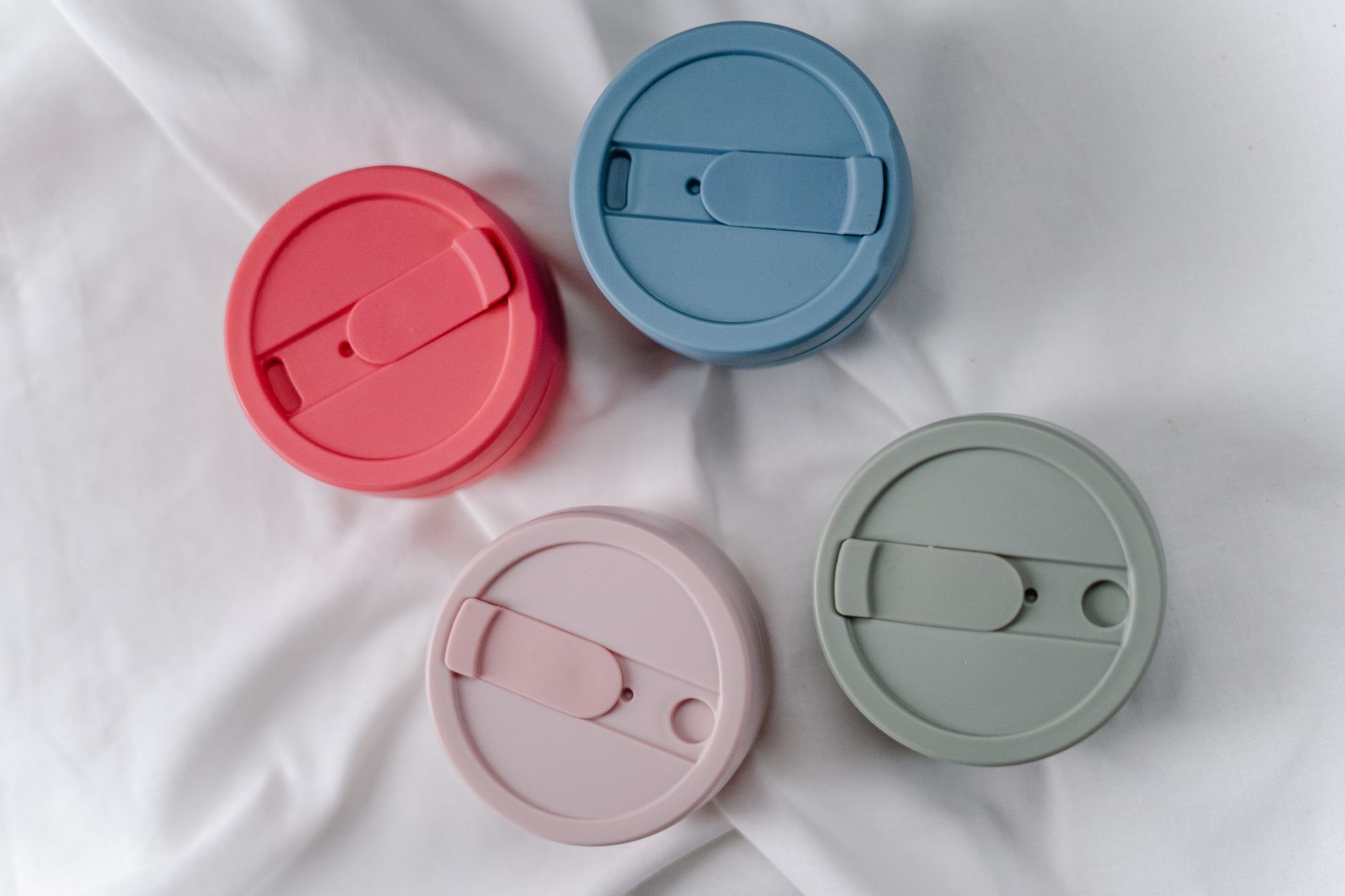
Most people pick an insulated mug based on size, finish, or price. The lid is almost always an afterthought. But consider how often that lid actually gets touched: every single sip, every commute, every desk refill. A lid that works well becomes invisible. One that doesn't creates small frustrations that add up across a day. For a component handled that frequently, the design choices behind it deserve more attention than they typically receive.
What a Slider Lid Actually Does
A slider lid uses a flat, movable tab to open and close the drinking port. Push it one direction to drink; push it back to seal. No separate piece to set down, no cap to thread back on, no button that sticks after a few months of use.
For anyone browsing mug lids online, this mechanism is worth understanding before buying. Because the port stays covered between sips, this design reduces heat loss per use cycle compared to designs that open more fully. A 2021 consumer product study found sliding-closure lids retained heat up to 18% longer per cycle than flip-top alternatives, largely due to that smaller, controlled opening. Less exposure per sip means the drink stays warmer across a longer window.
Why the Opening Size Matters
Heat Retention at the Port
Each time a lid opens wide, warm air escapes in proportion to the exposed surface area. A slider keeps that area small and consistent. Thermal efficiency holds across the full drinking window rather than dropping off with each use.
Splash Behavior Under Motion
A wide opening gives liquid more room to shift when the mug moves. A slider restricts the exit point, which changes how liquid behaves during sudden motion. Commuters who carry mugs on public transit or in vehicles tend to notice this distinction quickly and practically.
The Usability Case for Single-Hand Operation
One of the more underappreciated advantages of a slider is that it operates with one hand. Flip-top designs typically require pressing a button or lifting a cap, often stabilized with the other hand. A slider moves with a simple thumb push from the hand already holding the mug.
This plays out in everyday situations: carrying bags, moving between rooms, standing at a workstation, or driving. Fewer steps between sealed and open means the lid gets closed consistently after each sip. That habit, more than the mechanism itself, is what prevents spills over time.
Durability and Cleaning Considerations
Where Lids Tend to Fail
Most lids break down at two points: the hinge or the seal around the port. Flip-top designs place concentrated stress on a hinge every time they open. Sliders distribute movement laterally along a track, which reduces wear at any single stress point across repeated use.
Cleaning the Mechanism
The slider track is narrow, which means residue can accumulate in the channel after regular use. A thin brush or a direct rinse under running water handles most buildup without requiring the lid to come apart completely.
Lids with removable slider tabs make cleaning more thorough. When the tab lifts out, the channel can be rinsed properly rather than wiped at the surface. It is a small feature, but one worth confirming before committing to a lid for daily use.
Fit and Compatibility Across Mug Types
A slider mechanism only performs well if the lid itself seats correctly. Diameter, rim profile, and thread depth all affect the seal. A lid that fits loosely at the base will leak regardless of how well the port closes.
Replacement lids come up as a genuine need for mugs that see daily use. Heat cycles, repeated washing, and general handling wear components down over time. A compatible replacement extends the functional life of a reliable mug without requiring a full replacement.
Checking Fit Before Buying
Most manufacturers list compatible mug models directly on replacement lid pages. Cross-referencing the mug's diameter against the listed fit range takes less than a minute and avoids a mismatched purchase.
Conclusion
Slider lids improve the drinking experience in ways that feel small in isolation but add up meaningfully across a day. A controlled port reduces heat loss. A lateral tab enables one-handed use. A well-fitted seal prevents the small, avoidable spills that tend to happen when lids are left slightly open. For anyone replacing a worn lid or reconsidering their current setup, the slider design is a practical choice grounded in how mugs actually get used, not just how they look on a shelf.